
The childfree financial edge
It’s a pretty common assumption, isn’t it? That financial planning is all about saving for college funds, orthodontist bills, and the endless expenses that come with raising children. But what if I told you that not having kids can be a massive financial advantage? It's time to flip the script. Choosing a childfree life isn’t just a personal decision; it’s a powerful financial one.
There's a real intentionality that comes with deciding to live without children. That intentionality often extends to other areas of life, including finances. It allows for a different kind of freedom – the freedom to pursue passions, travel, invest, and build a life tailored to your desires, not the needs of a family. This guide is about harnessing that power.
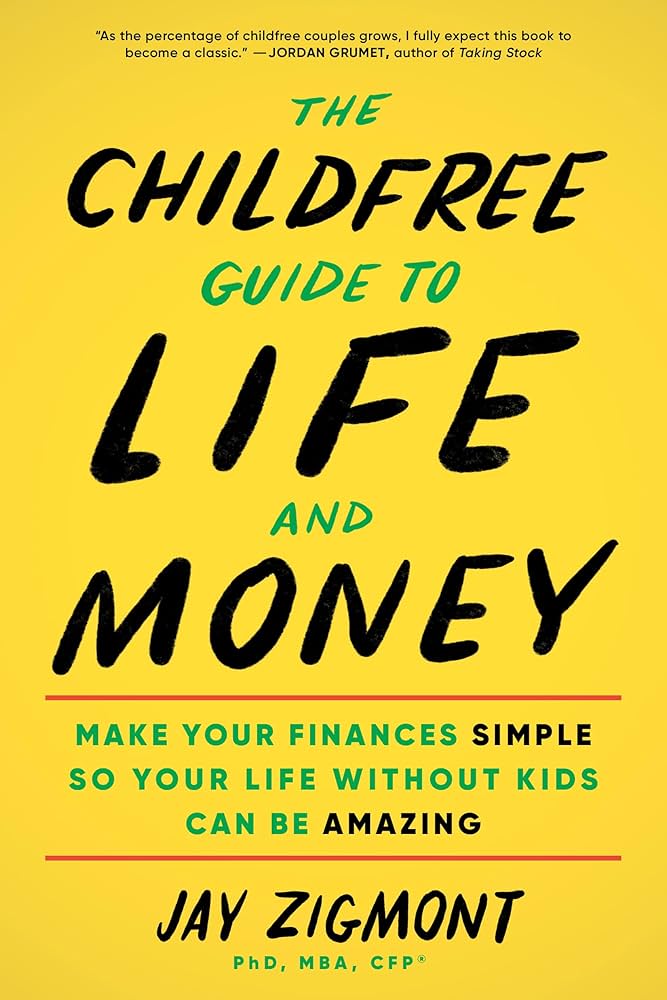
Building wealth without kids requires a shift in how you view the long game. Instead of funding a legacy for heirs, you're funding a life that might include early retirement or career pivots. Using 2026 tax projections and data from Jay Zigmont at Childfree Wealth, we can map out a strategy that prioritizes your own timeline over a traditional family-based one.

Calculating your freedom number
So, how much money do you actually need to live the life you want? This is where the concept of "Financial Independence, Retire Early" – or FIRE – comes into play. But for those of us without kids, the calculation looks a little different. Traditional FIRE planning often centers around replacing household income to cover expenses like childcare and education. We skip those steps.
Without those expenses, your required nest egg will likely be significantly smaller. A common rule of thumb is the 4% rule: you can safely withdraw 4% of your investment portfolio each year without depleting it. To figure out your Freedom Number, estimate your annual expenses in retirement (or whatever your desired lifestyle looks like) and divide that by 0.04. For example, if you anticipate needing $60,000 a year, your Freedom Number is $1.5 million.
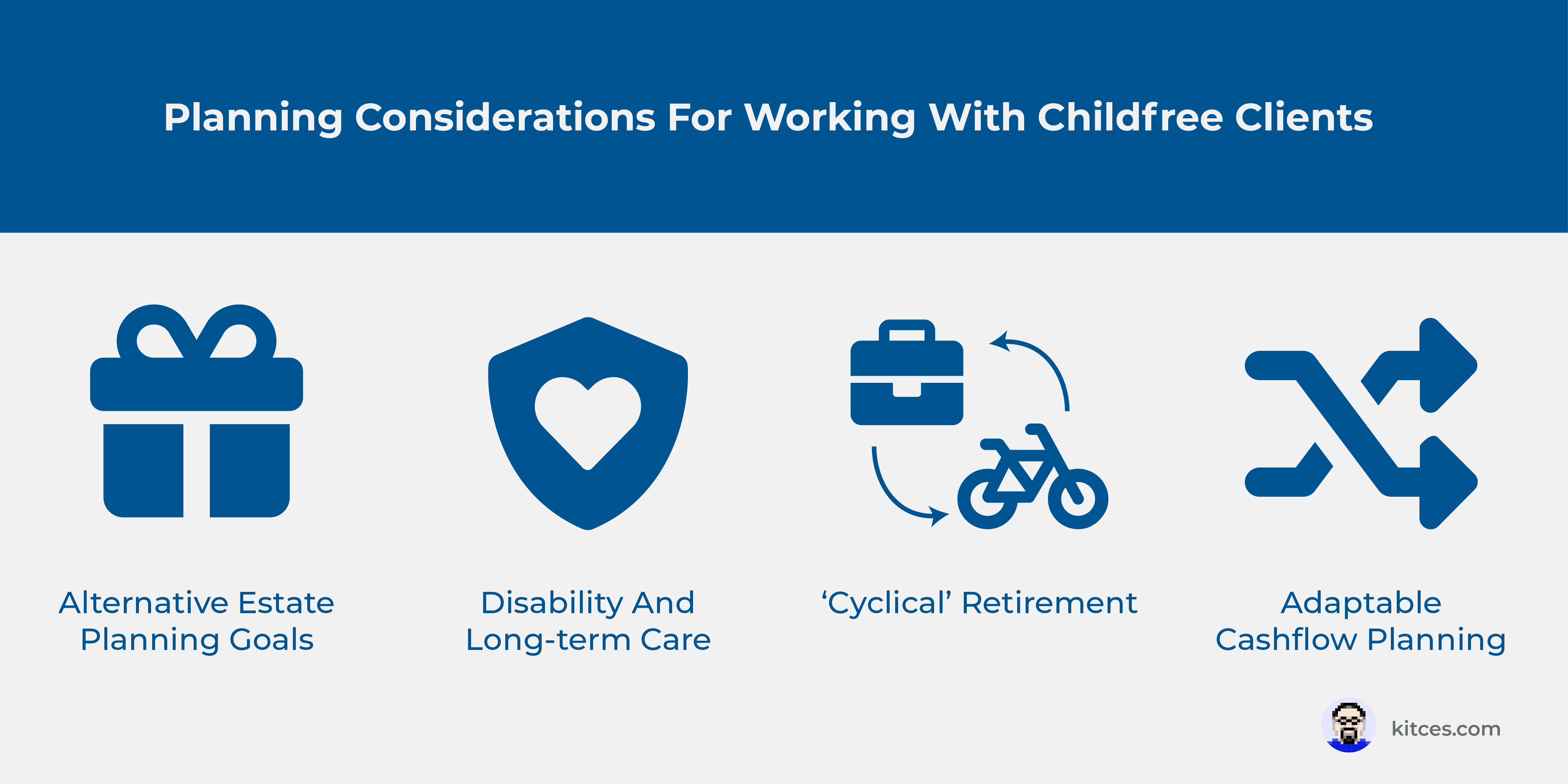
However, don’t forget about lifestyle inflation – the tendency for expenses to creep up as income increases. It’s easy to fall into the trap of wanting bigger houses, fancier cars, and more expensive vacations. Be mindful of this and intentionally choose where you want to spend your money. Estate planning is also important, even without children. Consider where you want your assets to go and how to ensure your wishes are carried out.
Remember, it's not just about having enough money to survive; it's about having enough to thrive and experience the life you’ve intentionally built.
Investment strategies for solo wealth
Investing without dependents changes your risk profile. You don't have to worry about a market crash coinciding with a tuition bill, which often allows for a more aggressive tilt toward equities. If you're in your 30s or 40s now, your timeline for growth extends much further than someone who needs to liquidate assets for a family in ten years.
Take advantage of tax-advantaged accounts like 401(k)s, IRAs (Traditional and Roth), and Health Savings Accounts (HSAs). Maxing out these accounts should be a priority. Given your longer timeline, you can consider a more aggressive asset allocation with a higher percentage of stocks. This could mean investing heavily in index funds like the S&P 500 or actively managed funds, depending on your comfort level.
The White Coat Investor recommends a diversified portfolio based on your risk tolerance, often including a mix of US and international stocks, bonds, and real estate. Don’t be afraid to explore alternative investments like peer-to-peer lending or cryptocurrency, but do so cautiously and with a small percentage of your portfolio. Early retirement is a real possibility with diligent saving and investing.
Consider the impact of taxes on your investments. Tax-loss harvesting and strategic asset location can help minimize your tax burden. Regularly rebalance your portfolio to maintain your desired asset allocation and ensure you’re staying on track.
- Max out your 401(k) to capture the full employer match, which is essentially a guaranteed return on your contribution.
- IRA (Traditional & Roth): Individual retirement accounts offering tax advantages.
- Prioritize the HSA for its triple tax advantage, as childfree individuals often face higher out-of-pocket healthcare costs in later years without family caregivers.
Investment Vehicle Comparison: Building Childfree Wealth (2026)
| Investment Type | Risk Level | Potential Return | Liquidity | Tax Implications | Childfree Suitability |
|---|---|---|---|---|---|
| Stocks 📈 | High | Historically high (average 7-10% annually, but variable) | Generally High | Capital gains taxes apply upon sale. Dividends are also taxable. | Excellent. Long-term growth potential aligns well with a potentially longer investment horizon often seen in childfree individuals. Allows for significant wealth accumulation. |
| Bonds 📉 | Low to Moderate | Generally lower than stocks (average 2-5% annually) | Moderate to High | Interest earned is taxable as ordinary income. Capital gains taxes apply to bond sales. | Good for diversification and stability, especially as you approach financial goals. Can provide a safety net. |
| Real Estate 🏡 | Moderate to High | Variable, potential for both income (rent) and appreciation | Low | Property taxes, potential capital gains taxes upon sale, deductible mortgage interest. | Strong option, but requires active management or investment through REITs. Offers potential for passive income and long-term appreciation. Consider location and market conditions carefully. |
| ETFs (Exchange Traded Funds) 📊 | Varies (depending on underlying assets) | Mirrors the performance of the underlying index/assets | High | Capital gains taxes apply upon sale. Dividends are also taxable. | Excellent. Diversification at a low cost. Offers exposure to various markets and asset classes, making them ideal for building a well-rounded portfolio. |
| Mutual Funds 🤝 | Varies (depending on fund type) | Varies, typically aims to outperform a specific benchmark | Moderate | Capital gains distributions are taxable. May have expense ratios. | Good option for diversification, especially actively managed funds. Expense ratios can impact returns, so choose carefully. |
| High-Yield Savings Accounts 💰 | Very Low | Low (currently around 4-5% APY, as of early 2024, but subject to change) | Very High | Interest earned is taxable as ordinary income. | Excellent for emergency funds and short-term savings goals. Provides safety and easy access to funds. |
| Treasury Bills (T-Bills) 🏛️ | Very Low | Low to Moderate (yields fluctuate with interest rates) | High | Interest earned is exempt from state and local taxes. | Good for conservative investors seeking a safe, short-term investment. Provides a hedge against economic uncertainty. |
Illustrative comparison based on the article research brief. Verify current pricing, limits, and product details in the official docs before relying on it.
Real Estate: Beyond the Family Home
Real estate can be a powerful wealth-building tool, but for childfree individuals, it often looks different than for families. You’re not necessarily tied down to a specific location by school districts or the need for a large family home. This opens up opportunities for more creative investing.
Rental properties are a classic option, providing passive income and potential appreciation. REITs (Real Estate Investment Trusts) allow you to invest in real estate without the hassle of property management. House hacking – renting out rooms in your primary residence – can significantly reduce your housing costs and accelerate your savings rate. A Reddit thread about house hacking for financial independence (r/financialindependence) is a great place to find inspiration and advice.
Consider location independence. Investing in properties in areas with strong rental demand, even if they’re not where you currently live, can diversify your portfolio and increase your income potential. Due diligence is crucial. Thoroughly research the market, inspect the property, and understand the local regulations before investing.
Property management can be time-consuming, so consider hiring a property manager if you prefer a hands-off approach. Factor in all expenses – property taxes, insurance, maintenance, and vacancy rates – when evaluating potential investments.
Estate planning without heirs
Estate planning isn’t just for parents. Even without children, it’s essential to have a plan in place to protect your assets and ensure your wishes are carried out. This includes a will, which specifies how you want your assets distributed, and a power of attorney, which designates someone to make financial and medical decisions on your behalf if you become incapacitated.
Trusts can be used to manage assets, avoid probate, and provide for specific beneficiaries. Charitable giving is another way to leave a legacy. You can donate to organizations you care about, establish a scholarship fund, or create a charitable trust. Childfree Wealth offers comprehensive estate planning services tailored to the needs of individuals and couples without children.
Don’t assume your assets will automatically go to your closest relatives. A will ensures your wishes are legally binding. Regularly review and update your estate plan, especially after major life events like marriage, divorce, or a significant change in your financial situation.
Consider including a "letter of intent" with your estate plan. This non-binding document can provide your loved ones with guidance on your values, preferences, and wishes for your funeral or memorial service.
Protecting Your Future: Insurance Needs
Insurance is an essential part of any financial plan, but your needs as a childfree individual may differ from those with families. Life insurance is less critical, as there are no dependents to support. However, it may still be relevant if you have significant debt or want to leave a legacy to loved ones.
Health insurance is paramount, regardless of your family status. Disability insurance protects your income if you become unable to work due to illness or injury. Long-term care insurance helps cover the costs of assisted living or nursing home care as you age. An umbrella insurance policy provides additional liability coverage beyond your homeowners and auto insurance.
Regularly review your insurance needs to ensure you have adequate coverage. Your needs may change over time as your income, assets, and lifestyle evolve. Shop around for the best rates and consider working with an independent insurance agent.
Don’t overlook the importance of cyber insurance, which can protect you against identity theft and data breaches.
Staying the Course: Maintaining Financial Discipline
Building wealth is a marathon, not a sprint. Maintaining financial discipline over the long term is crucial for achieving your goals. Create a budget, track your expenses, and regularly review your financial plan. Automate your savings and investments to make it easier to stay on track.
Be mindful of lifestyle creep. As your income increases, resist the temptation to spend more on unnecessary expenses. Focus on experiences and investments that align with your values. Prepare for unexpected expenses by building an emergency fund of 3-6 months’ worth of living expenses.
Don’t be afraid to seek professional financial advice when needed. A qualified financial advisor can help you develop a personalized plan and stay on track towards your goals. Remember, intentional financial planning is the cornerstone of a fulfilling childfree life.
Embrace the freedom and flexibility that comes with choosing a childfree path. Use your financial resources to create a life that is meaningful, purposeful, and aligned with your values. You’ve intentionally designed this life; make the most of it.
Warren Buffett shared a very simple but powerful investment strategy. I find it very useful myself. He believes in finding great managers and letting them do the hard work. About ten years ago, his company invested $35 B into $AAPL. He treats buying stock just like buying a part… pic.twitter.com/si5aMvZ6aT
— CapexAndChill (@CapexAndChill) May 3, 2026

No comments yet. Be the first to share your thoughts!