Beyond Diapers and Tuition: The Unique Financial Landscape of the Childfree
Traditional financial advice is overwhelmingly geared towards families. It’s built around the costs of raising children – education, healthcare, childcare – and assumes a financial trajectory heavily influenced by these expenses. For those of us intentionally choosing a childfree life, this advice often feels…off. It doesn't account for our different priorities, our longer time horizons, or our freedom to allocate resources in ways parents simply can’t.
It’s not merely the absence of child-related costs that defines childfree financial planning. It's about actively deciding what to do with those resources instead. Do you prioritize early retirement, extensive travel, starting a business, or dedicating more to charitable giving? These are deliberate choices, and require a deliberate financial strategy. The freedom is exhilarating, but also demands responsibility.
There’s a psychological component too. Society often equates adulthood with parenthood, and financial planning often reinforces this narrative. We’re constantly bombarded with messages about saving for college funds and family vacations. Defining success on our own terms is the first step. It’s about recognizing that our path is valid, and deserves a tailored financial plan.
I want to be explicit: this isn’t about judging anyone’s life choices. Parenthood is a wonderful thing for those who want it. This is about acknowledging that the financial realities are different, and that childfree individuals need to build a financial strategy that reflects those differences. A cookie-cutter approach simply won’t work.
The DINK Advantage: Maximizing Income and Minimizing Expenses
DINKs – Dual Income, No Kids – possess a significant financial advantage. Two incomes, combined with the absence of substantial child-related expenses, create a powerful wealth-building engine. The key is to recognize this advantage and leverage it effectively. This isn’t about being extravagant; it’s about intentionality and maximizing your financial potential.
Budgeting is fundamental, but it needs to be tailored for the DINK lifestyle. Focus on discretionary income – the money left over after covering essential expenses. Track where your money is going. I use YNAB to track every dollar, though Mint is a common alternative. The Fioneers, in their YouTube content, stress the importance of consistent tracking.
Lifestyle creep is a major threat to DINK financial success. It's that tendency to increase spending as income rises. A new car, bigger apartment, more expensive vacations – these can quickly erode your savings rate. Regularly assess your spending habits and identify areas where you can cut back without sacrificing enjoyment. Prioritize experiences over 'stuff' whenever possible.
Shared financial goals are essential for DINK couples. Discuss your priorities – early retirement, travel, homeownership – and create a plan to achieve them together. Align your spending with those goals. If you want to retire early, that requires a higher savings rate and a more aggressive investment strategy. Open communication is key to avoiding conflict and staying on track.
- Track your spending: Use budgeting apps like Mint or YNAB.
- Identify lifestyle creep: Regularly assess your spending habits.
- Set shared financial goals: Discuss your priorities as a couple.
- Automate savings: Set up automatic transfers to your investment accounts.
If you’re one of a growing number of adults do not have (or want) children, listen to my 45 Forward conversation with Bri Conn, of Childfree Wealth, who talks about how childfree financial planning may look vastly different from traditional planning.https://t.co/uA2PhXpGbu
— RonRoel (@RoelResources) February 4, 2025
Investing for a Longer Horizon: Childfree Retirement Planning
The absence of child-related expenses often translates to a longer investment horizon for childfree individuals. You have more time to let your money grow, and you may be able to retire earlier. This is a significant advantage, but it requires a strategic approach to investing. Don't just let your money sit in a savings account earning minimal interest.
I spread my investments across total market index funds and a few rental properties. Diversification keeps a single market crash from wiping out an early retirement plan. Your asset allocation should be based on your risk tolerance and time horizon. Younger investors with a longer time horizon can generally afford to take on more risk.
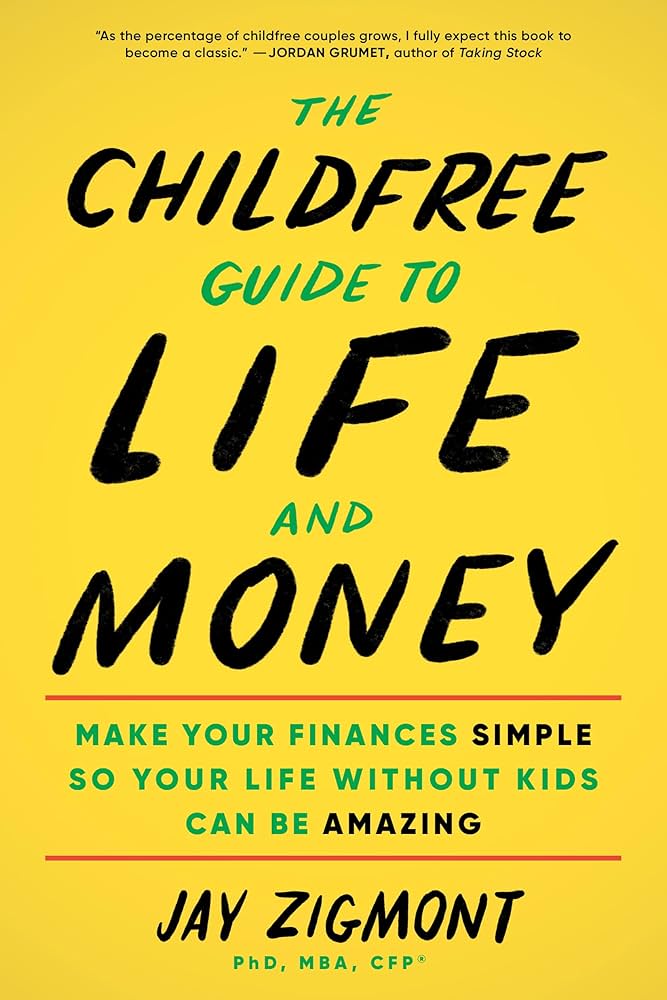
Tax-advantaged accounts are your best friends. Max out your contributions to 401(k)s, IRAs, and HSAs. These accounts offer tax benefits that can significantly boost your long-term returns. Dr. Jay Zigmont of Childfree Wealth constantly emphasizes maximizing these benefits. Consider a Roth IRA if you anticipate being in a higher tax bracket in retirement.
Sequence of returns risk is a real concern, especially as you approach retirement. This is the risk that poor investment returns early in retirement can significantly deplete your savings. Mitigate this risk by maintaining a diversified portfolio, gradually reducing your exposure to stocks, and considering strategies like dollar-cost averaging. A financial advisor can help you develop a plan to address this risk.
Real estate can be a valuable component of a childfree investment portfolio. It can provide rental income, appreciation potential, and tax benefits. However, it also comes with risks, such as property management responsibilities and potential vacancies. Consider your risk tolerance and financial goals before investing in real estate.
Estate Planning Beyond Inheritance: Defining Your Legacy
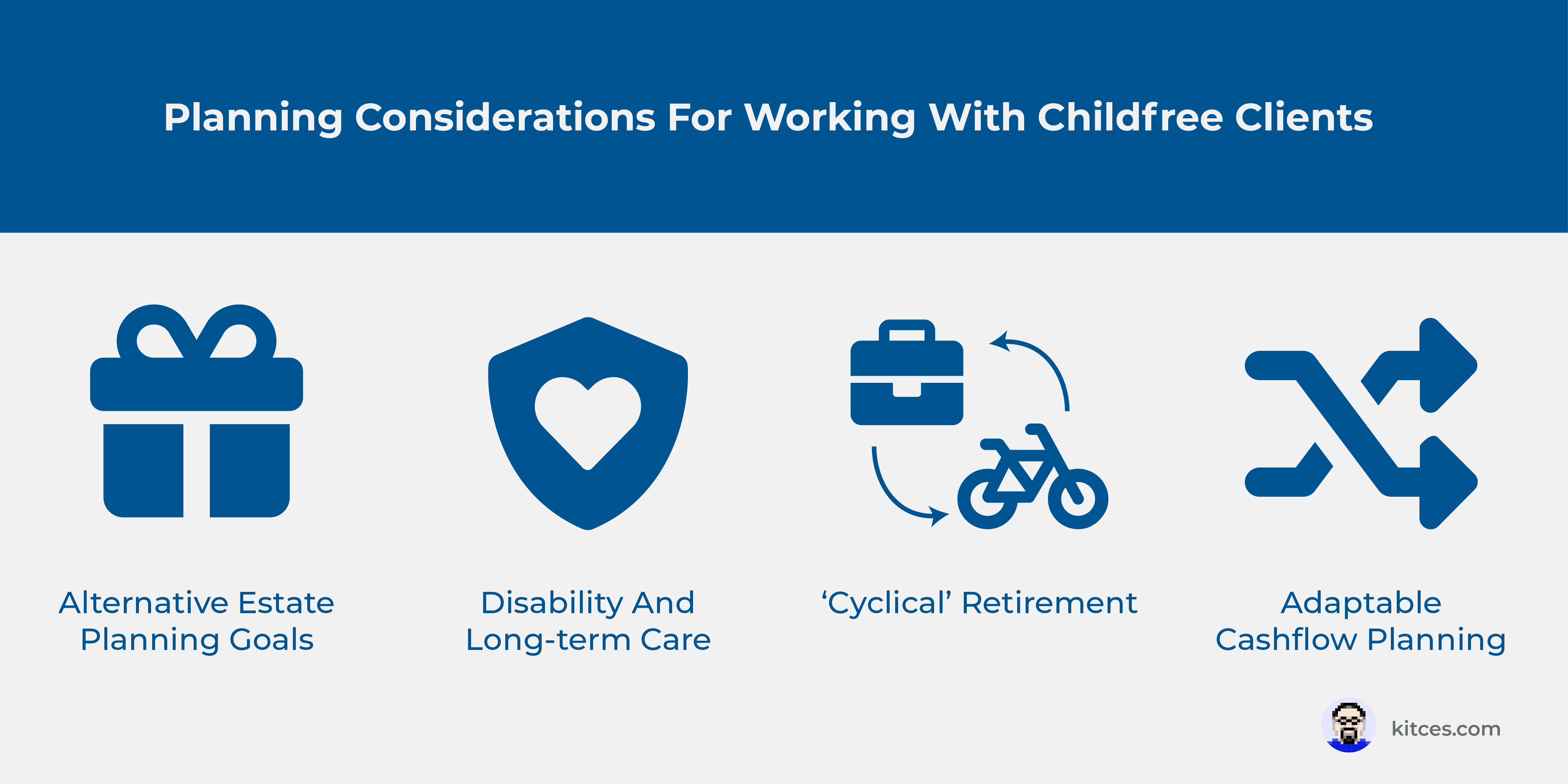
Estate planning is often associated with passing on wealth to children. For childfree individuals, the focus shifts. It’s about ensuring your wishes are carried out, protecting your assets, and defining your legacy in a way that aligns with your values. It's not necessarily about who inherits your assets, but how they're used.
A will is the foundation of any estate plan. It specifies how your assets will be distributed after your death. A trust can provide more flexibility and control over how your assets are managed and distributed. Consider a revocable living trust to avoid probate. Power of attorney allows someone you trust to make financial decisions on your behalf if you become incapacitated.
Healthcare directives, also known as advance directives, allow you to specify your healthcare wishes. This includes a living will, which outlines your preferences for medical treatment, and a healthcare proxy, which designates someone to make healthcare decisions for you if you're unable to do so yourself. These documents are essential for ensuring your wishes are respected.
Naming beneficiaries is crucial. Ensure your beneficiary designations are up-to-date on all your accounts – retirement accounts, life insurance policies, and investment accounts. Regularly review your estate plan to ensure it still reflects your wishes and circumstances. Childfree Wealth offers comprehensive estate planning services, and consulting with a professional can provide peace of mind.
- Will: Specifies how your assets will be distributed.
- Trust: Provides more control over asset management.
- Power of Attorney: Allows someone to make financial decisions on your behalf.
- Healthcare Directives: Outlines your healthcare wishes.
Estate Planning Tools: A Comparison for the Childfree
| Tool | Cost | Complexity | Control | Privacy |
|---|---|---|---|---|
| Will | Generally Lower | Lower | Direct, but requires probate | Public Record |
| Revocable Living Trust | Moderate to Higher | Medium to High | Significant, avoids probate | More Private than a Will |
| Irrevocable Trust | Moderate to High | High | Limited, designed for specific purposes | Highly Private |
| Durable Power of Attorney | Lower | Lower | High while active, ceases upon incapacitation | Private |
| Healthcare Power of Attorney | Lower | Lower | High for healthcare decisions | Private |
| Combined Will & Trust | Higher | High | Balances probate avoidance with simplicity | Moderate Privacy |
Qualitative comparison based on the article research brief. Confirm current product details in the official docs before making implementation choices.
Financial Freedom & 'Play Money': Prioritizing Experiences Over Things
One of the most significant benefits of the childfree lifestyle is the freedom to prioritize experiences. Without the financial obligations of raising children, you have more resources to invest in travel, hobbies, personal growth, and other enriching activities. This isn’t about being frivolous; it’s about intentionally designing a life you love.
Build 'play money' into your budget. Allocate a specific amount of money each month for discretionary spending. This allows you to indulge in your passions without guilt. The amount will vary depending on your income and priorities, but it should be a non-negotiable part of your budget.
I maximize value by using travel rewards for business class seats, turning what would be a $5,000 expense into a few hundred dollars in fees.d minimize costs. Travel hacking – using credit card rewards and loyalty programs to reduce travel expenses – can significantly stretch your travel budget. Look for free or low-cost activities in your community. Explore museums on free admission days, attend free concerts in the park, or take advantage of hiking trails and outdoor recreation areas.
I personally believe that experiences create lasting memories and contribute to a richer, more fulfilling life. Investing in experiences isn’t just about having fun; it’s about personal growth, broadening your horizons, and creating connections with others. It’s a conscious choice to prioritize well-being over material possessions.
Essential Gear for the Financially Savvy Childfree Traveler
Carry-on size compliant · Durable construction · Comfortable harness system
This backpack is ideal for the financially savvy traveler, offering ample space and durability for extended trips without the added expenses associated with family travel.
Industry-leading noise cancellation · Exceptional sound quality · Long battery life
These headphones provide an immersive audio experience, perfect for enhancing travel or focused work, contributing to personal enrichment without the financial demands of children.
Interactive lessons · Focus on conversational skills · Variety of languages
A Babbel subscription facilitates personal growth and enhances travel experiences by enabling language acquisition, a valuable investment for those prioritizing experiences over child-rearing expenses.
Courses taught by world-renowned experts · Diverse range of subjects · On-demand access
MasterClass offers unparalleled opportunities for continuous learning and skill development, aligning with a childfree financial strategy focused on self-investment and intellectual pursuits.
Portable and compact design · Built-in speaker · HD projection
This portable projector enhances entertainment options during travel or at home, providing a flexible and enjoyable experience that aligns with a childfree lifestyle focused on personal enjoyment and experiences.
As an Amazon Associate I earn from qualifying purchases. Prices may vary.
Navigating Healthcare Costs Without Dependent Coverage
Healthcare is a significant expense, and navigating it as a childfree individual can be different. Without dependent coverage, you’re solely responsible for your own healthcare costs. Understanding your options and proactively planning for potential expenses is essential.
The Affordable Care Act (ACA) marketplace provides access to health insurance for individuals and families. You may be eligible for subsidies to help lower your premiums, depending on your income. Employer-sponsored plans are often the most affordable option, if available.
Health Savings Accounts (HSAs) offer a triple tax advantage: contributions are tax-deductible, earnings grow tax-free, and withdrawals for qualified medical expenses are tax-free. HSAs are paired with high-deductible health plans, so they’re a good option if you’re generally healthy and don’t anticipate frequent medical expenses.
Controlling healthcare costs requires proactive planning. Choose a plan that meets your needs and budget. Utilize preventative care services to detect and address health issues early. Compare prices for medical procedures and prescription drugs. Long-term care insurance is also worth considering, as the cost of long-term care can be substantial.
The Future of Childfree Financial Planning: Trends and Predictions
The landscape of financial planning is constantly evolving, and childfree financial planning is no exception. Several emerging trends are shaping the future of how we manage our money and plan for retirement. The rise of financial independence (FIRE) – the movement towards retiring early and living off investments – is gaining momentum, particularly among childfree individuals.
The increasing acceptance of alternative lifestyles is also influencing financial planning. More and more people are choosing to remain childfree, and financial institutions are beginning to recognize this demographic as a significant market segment. This is leading to the development of financial products and services specifically tailored to the needs of childfree individuals.
Economic changes and policy shifts can also impact childfree finances. Inflation, interest rate fluctuations, and tax law changes can all affect your investment returns and overall financial well-being. Staying informed and adapting your strategies as needed is crucial.
I predict that the role of financial advisors will continue to evolve. More and more people are seeking professional guidance to navigate the complexities of financial planning. Advisors who specialize in serving childfree clients will be in high demand. The key is to find an advisor who understands your unique needs and goals.

No comments yet. Be the first to share your thoughts!