
Beyond Diapers: Redefining Financial Goals
Financial planning is often framed around the monumental expense of raising children. But for those intentionally choosing a childfree life, the equation shifts dramatically. It’s not about avoiding costs, but about consciously redirecting resources towards goals that align with a different vision of the future. This is childfree financial planning – a proactive strategy built on intentionality.
Many people default to societal expectations, assuming a home, 2.5 kids, and a comfortable retirement are the ultimate benchmarks of success. But what if your "why" is early retirement at 50? Or funding a cross-country cycling trip? Or launching a small business? These aspirations require a fundamentally different financial roadmap, one that prioritizes experiences, passions, and long-term financial freedom.
The childfree lifestyle presents a unique opportunity to define your own version of the "good life". It demands a critical look at your values and a deliberate allocation of resources. This isn't about deprivation; it’s about optimization. It’s about understanding that every dollar saved is a dollar that can be invested in your dreams, not someone else’s projected future.
Ignoring this intentionality is a mistake. Simply not having children doesn’t automatically equate to financial success. You need a plan. You need to actively decide where those potential childcare dollars will go, and how they will contribute to building the life you truly desire. It all starts with acknowledging that your financial landscape is different, and embracing that difference.
The Childfree Advantage: Calculating Your Savings
Let’s talk numbers. The USDA estimated in 2023 that it costs roughly $300,000 to raise a child to age 18, not including college. Factoring in projected inflation, that figure could easily exceed $340,000 by 2026. This isn't just about direct expenses; it's about the ripple effect on your entire financial life.
Those costs break down significantly. Housing needs often increase, requiring a larger home or a move to a more expensive school district. Food bills balloon as appetites grow. Healthcare costs are substantial, particularly for unexpected illnesses or injuries. Childcare is often the biggest single expense, potentially exceeding $20,000 per year for a single child in some areas. Add to that extracurricular activities, clothing, and the ever-present "stuff" kids accumulate, and the numbers quickly add up.
Now, consider redirecting those funds. What could $340,000 do for your financial future? It could fully fund a comfortable retirement, allowing you to retire decades earlier than your peers. It could be invested in a diversified portfolio, generating substantial passive income. It could be used to pay off debt, purchase a home outright, or launch a business. The possibilities are truly transformative.
The concept of opportunity cost is crucial here. Every dollar spent on raising a child is a dollar that isn’t available for other investments. By choosing a childfree life, you’re not simply saving money; you’re unlocking a powerful engine for wealth creation. It’s a conscious decision to prioritize your own financial future, and the freedom that comes with it. Resources like Childfree Wealth can help you visualize these savings and plan accordingly.
- Housing: Increased space requirements
- Food: Growing appetites
- Healthcare: Doctor visits, potential emergencies
- Childcare: Daycare, babysitting
- Education: School supplies, extracurriculars
- Activities: Sports, lessons, entertainment
Financial freedom is a milestone.
— Kavita (@Kavitastocks) May 3, 2026
Greed is a trap.
Cross the first.
Avoid the second.
That’s the real game.
Investing for Two: Childfree Couple Strategies
Childfree couples often have a longer time horizon for investing, and potentially a higher risk tolerance, than those planning for college funds or future family needs. This allows for more aggressive growth strategies, but it’s essential to assess your individual situation honestly. Are you both comfortable with the possibility of market fluctuations? What are your long-term financial goals?
Beyond the standard 401(k)s and IRAs – maximizing contributions to these accounts is still paramount – consider diversifying your investments. Real estate can be a strong option, whether through direct ownership or REITs. Side hustles can generate additional income for investment. Alternative investments, such as peer-to-peer lending or crowdfunding, can offer higher potential returns, but also carry increased risk.
Tax-advantaged accounts are your friends. Health Savings Accounts (HSAs) offer a triple tax benefit: contributions are tax-deductible, earnings grow tax-free, and withdrawals for qualified medical expenses are tax-free. Backdoor Roth IRAs can be a valuable tool for high-income earners. Work with a financial advisor, like those at Farther, to optimize your tax strategy.
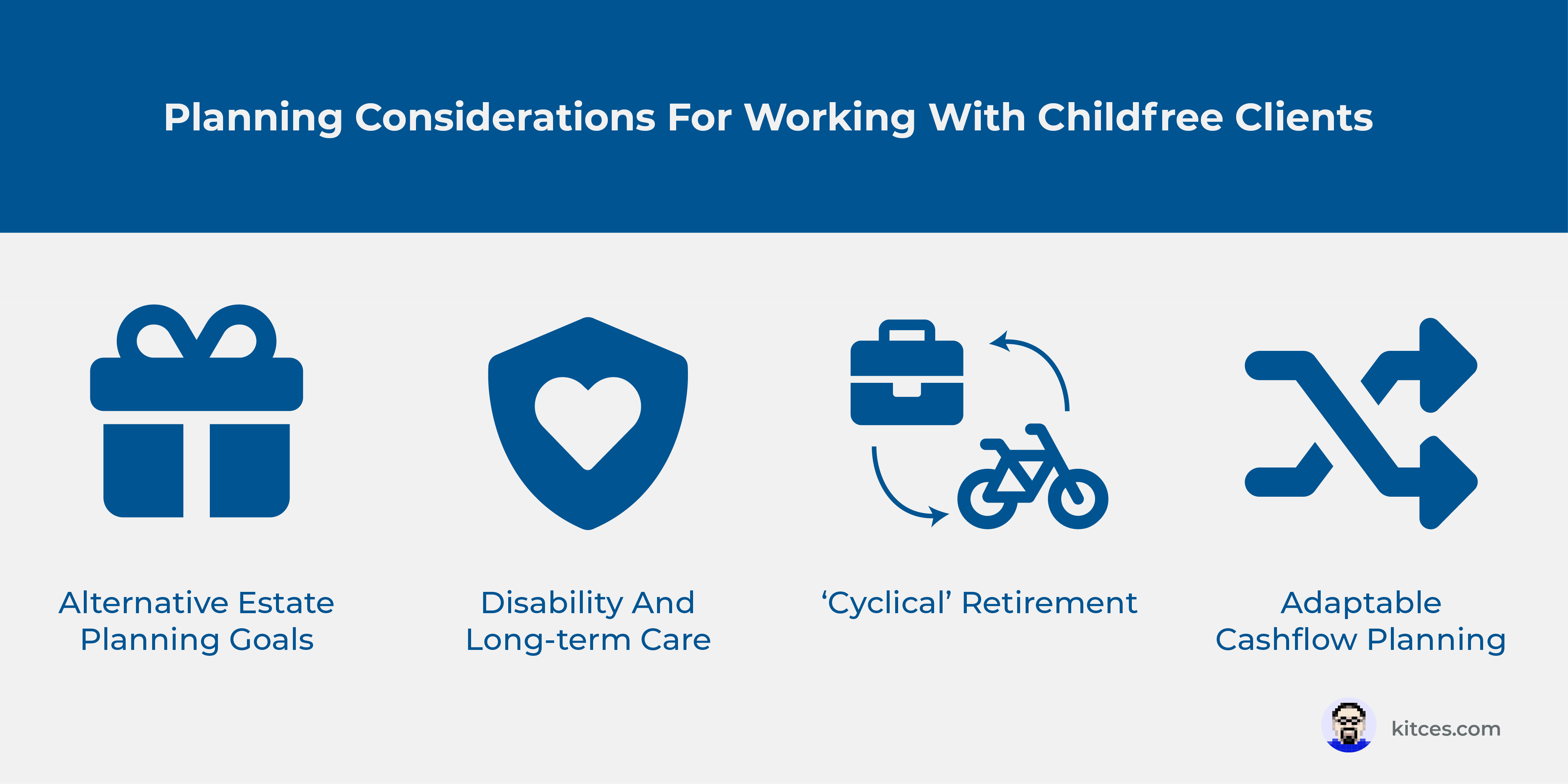
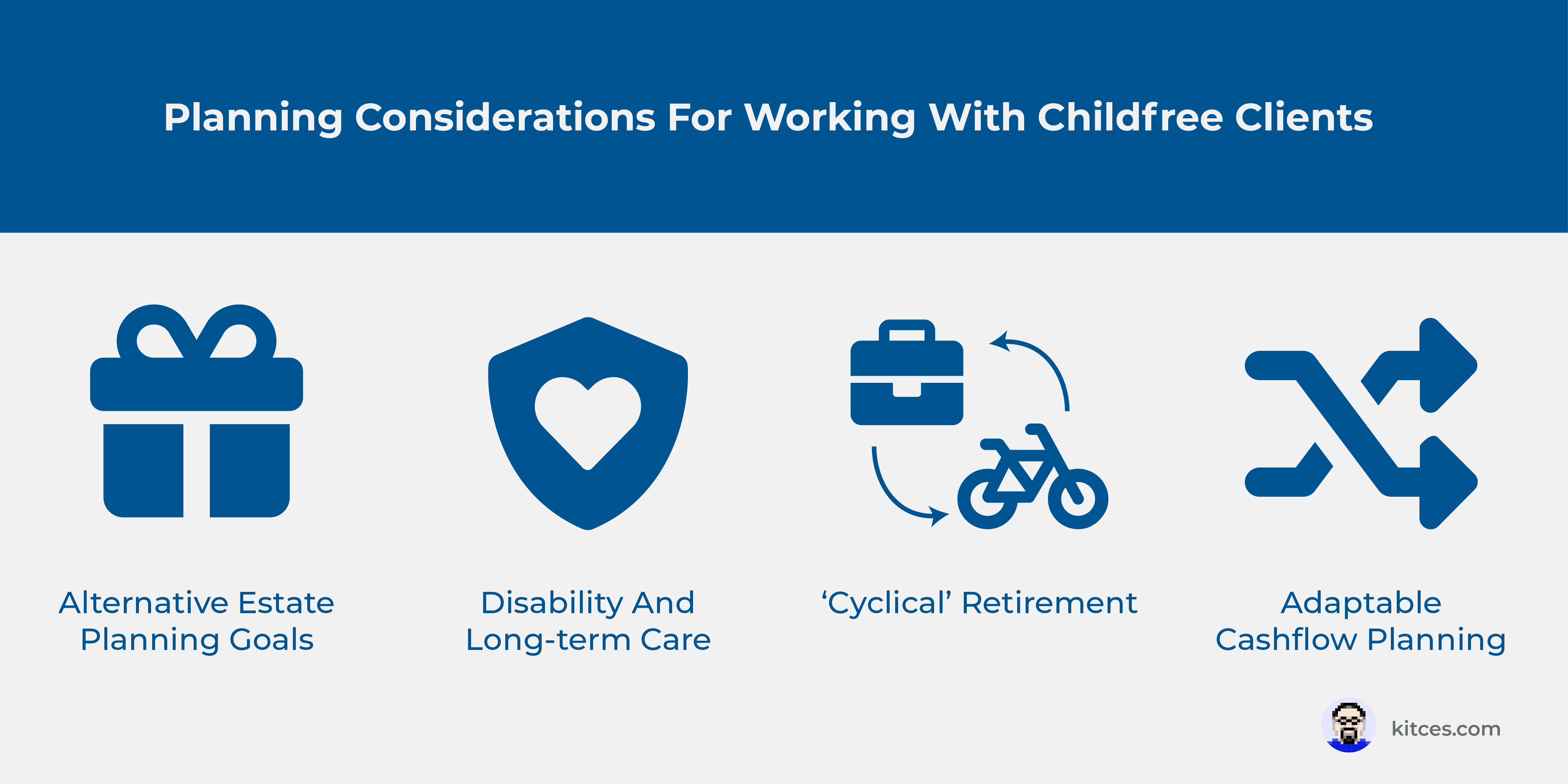
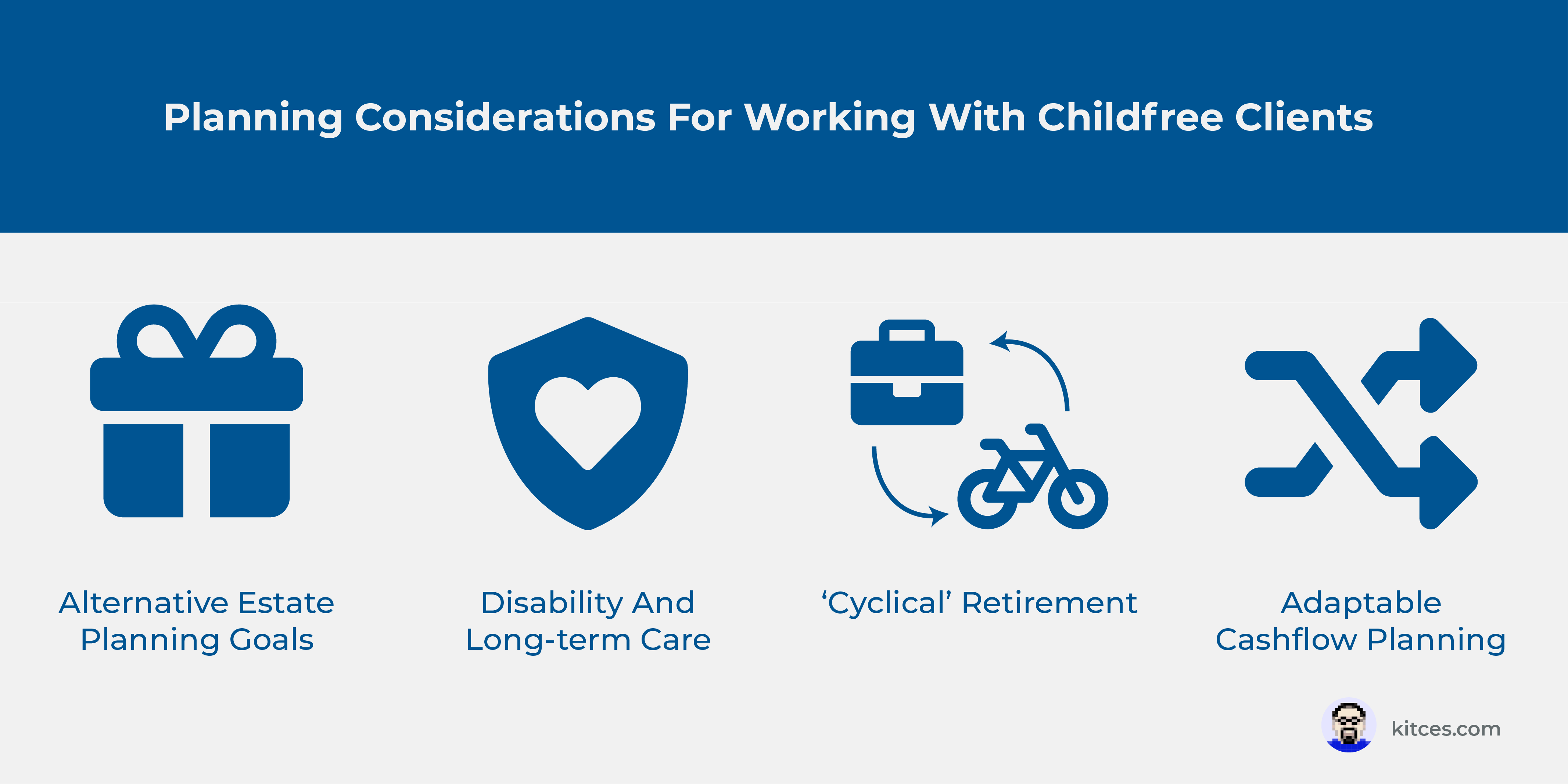
The potential for early retirement is a significant benefit of childfree financial planning. However, it requires meticulous planning and a realistic assessment of your expenses. Downsizing your home, reducing discretionary spending, and generating passive income are all key components of a successful early retirement strategy. It’s about building a life that’s both fulfilling and financially sustainable. This requires actively calculating your 'freedom number'—the amount of money you need to live comfortably without a traditional job.
Investment Account Comparison for the Childfree
| Account Type | Tax Advantages | Contribution Flexibility | Withdrawal Rules | Best Suited For |
|---|---|---|---|---|
| 401(k) | Tax-deferred growth; potential employer match | Limited to employer plan options; contribution limits apply | Generally restricted until retirement age; penalties for early withdrawal | Long-term retirement savings, especially with employer matching |
| Roth IRA | Tax-free growth and withdrawals in retirement | Contributions made with after-tax dollars; contribution limits apply | Contributions can be withdrawn tax- and penalty-free; earnings have restrictions | Long-term retirement savings, particularly beneficial for those anticipating higher future tax rates |
| Traditional IRA | Tax-deductible contributions (potentially); tax-deferred growth | Contribution limits apply; income restrictions may affect deductibility | Taxable withdrawals in retirement; penalties for early withdrawal | Long-term retirement savings, potentially reducing current tax liability |
| Taxable Brokerage Account | No immediate tax advantage | High contribution flexibility; no contribution limits | Withdrawals are subject to capital gains taxes | Goals beyond retirement (e.g., down payment on a home, travel, early retirement) or exceeding retirement account contribution limits |
| Health Savings Account (HSA) | Tax advantages for qualified medical expenses; triple tax benefit | Must have a high-deductible health plan; contribution limits apply | Funds can be used for qualified medical expenses tax-free; after age 65, can be withdrawn for any reason (taxable as income) | Healthcare expenses in retirement, or as a supplemental retirement savings vehicle |
| 529 Plan | Tax advantages for education expenses | Contribution limits apply; funds must be used for qualified education expenses | Withdrawals are tax-free if used for qualified education expenses | Future educational pursuits (self-improvement, skill development) – a unique benefit for the childfree who may prioritize lifelong learning |
Qualitative comparison based on the article research brief. Confirm current product details in the official docs before making implementation choices.
Estate Planning: Beyond Inheritance
Estate planning isn’t just for parents. For childfree couples, it’s especially important to have a comprehensive plan in place, as there’s no automatic assumption of inheritance. A will is the foundation of any estate plan, outlining how your assets will be distributed. A trust can provide greater control and flexibility, particularly for complex estates.
Designating beneficiaries is critical. If you don’t have children, consider naming charities, nieces/nephews, friends, or other loved ones as beneficiaries. You can also establish a foundation to support a cause you care about. Power of attorney documents are equally important, allowing someone you trust to make financial and medical decisions on your behalf if you become incapacitated.
Leaving a legacy doesn’t always mean leaving a financial inheritance. Consider how you want to be remembered. Perhaps you want to establish a scholarship fund, mentor young people, or create a piece of art that will inspire future generations. These non-financial legacies can be just as meaningful, if not more so.
Childfree couples should also discuss their wishes regarding end-of-life care. Advance directives, such as living wills, can ensure that your healthcare preferences are respected. Open communication with your partner and loved ones is essential to ensure that your wishes are carried out.
Lifestyle Inflation & The Freedom Trap
Increasing income doesn’t automatically translate to increased wealth. Lifestyle inflation – the tendency to spend more as you earn more – can quickly erode your financial gains. It’s tempting to upgrade your car, take more lavish vacations, or move to a bigger house, but these expenses can derail your long-term goals.
The key is to be mindful of your spending and prioritize experiences over possessions. Research shows that experiences tend to bring more lasting happiness than material goods. Instead of buying the latest gadget, consider investing in a travel adventure or a skill-building workshop.
The "freedom trap’ is a related phenomenon. With more free time and disposable income, it"s easy to fall into a pattern of expensive hobbies, frequent dining out, or impulsive purchases. Consciously resist this urge. Develop hobbies that are affordable and fulfilling. Practice gratitude for what you already have.
Create a budget and track your expenses. Identify areas where you can cut back without sacrificing your quality of life. Automate your savings and investments. Regularly review your financial goals and make adjustments as needed. Staying disciplined is crucial to maintaining financial freedom.
- Track your expenses
- Create a realistic budget
- Automate savings
- Prioritize experiences
- Resist impulsive purchases
Long-Term Care: Planning for the Unexpected
Long-term care is an often-overlooked aspect of financial planning, but it’s a critical consideration, especially as you age. The cost of assisted living, nursing homes, and in-home care can be substantial, potentially depleting your savings quickly. Genworth’s 2023 Cost of Care Survey estimated the national median annual cost of a private room in a nursing home at over $95,000.
There are several options for financing long-term care. Long-term care insurance can help cover some of these costs, but premiums can be expensive and policies can be complex. Health Savings Accounts (HSAs) can be used to pay for qualified medical expenses, including long-term care costs. Self-funding – saving and investing specifically for long-term care – is another option, but it requires significant discipline.
It’s important to have a plan in place to avoid becoming a financial burden on others. Discuss your wishes with your partner and loved ones. Consider establishing a trust to manage your assets and ensure that your care is provided according to your preferences.
Don't assume family will step in. As a childfree individual, you have a greater responsibility to plan for your own care. This is about protecting your financial independence and ensuring that you have the resources to live comfortably throughout your life.
Childfree Financial Role Models
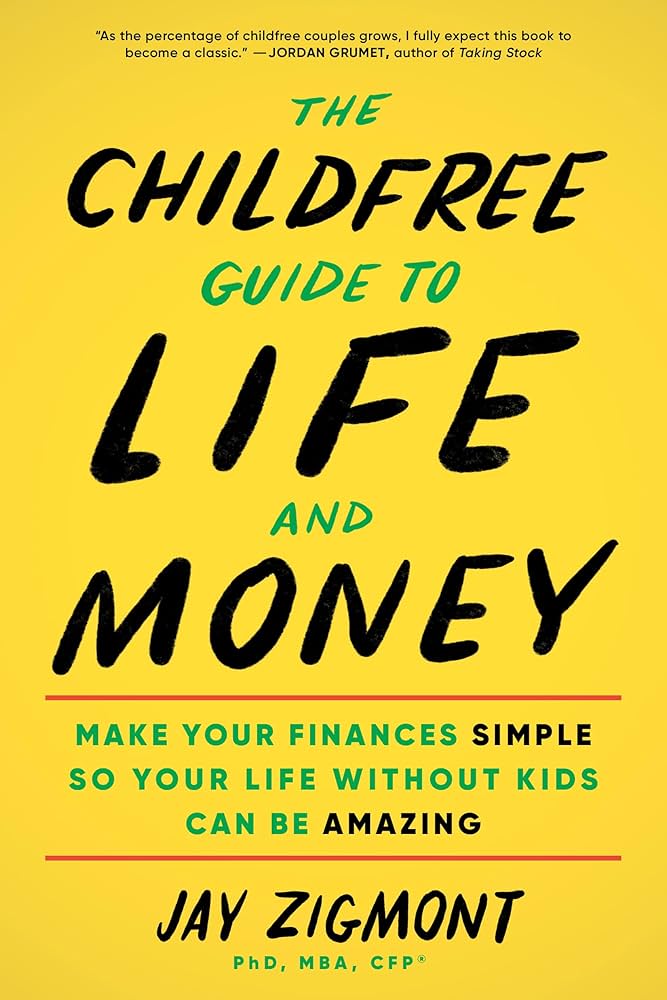
It’s inspiring to see individuals and couples thriving financially while embracing a childfree lifestyle. Dr. Jay, founder of Childfree Wealth, is a prime example, having built a successful practice and dedicated her life to supporting others on their childfree journey. Her book and podcast offer valuable insights into childfree financial planning.
Many entrepreneurs and creatives have achieved financial independence by pursuing their passions without the constraints of parenthood. Consider the stories of successful travel bloggers, authors, and artists who have built thriving businesses while maintaining a flexible and fulfilling lifestyle. These individuals demonstrate that financial freedom and personal fulfillment are not mutually exclusive.
Farther, a financial planning firm, actively serves childfree couples, recognizing their unique needs and goals. They offer comprehensive financial planning services tailored to those choosing a childfree life, helping them navigate complex financial decisions and build a secure future.
Ultimately, the key to success is intentionality, discipline, and a clear vision for the future. By prioritizing your financial goals and making conscious choices about how you spend your money, you can build a life of freedom, fulfillment, and financial security. Resources like those from Childfree Wealth and Farther can provide guidance and support along the way.
Financial Strategies
- Prioritize Investment Accounts - As highlighted by Paula Pant (@PaulaPant) on X (formerly Twitter), maximizing contributions to tax-advantaged accounts like 401(k)s and IRAs is crucial. She notes that consistently investing, even small amounts, compounds over time, building significant wealth. Focus on pre-tax contributions when possible to reduce current taxable income.
- Embrace Side Hustles - J. David Stein (@JDavidStein) frequently discusses on X the importance of diversified income streams. He suggests exploring side hustles to accelerate savings and investment goals. Consider skills you already possess that can be monetized.
- Automate Savings and Investing - Many financial independence advocates, including Grant Sabatier (@GrantSabatier), emphasize the power of automation. Setting up automatic transfers to investment accounts ensures consistent progress towards financial goals. Utilize features offered by banks like Ally or Fidelity to schedule recurring investments.
- Real Estate as an Investment - While not without risks, real estate can be a powerful wealth-building tool. As shared by various users within the FIRE community on X, owning rental properties can generate passive income and appreciate in value. Thoroughly research local markets and consider property management services.
- Minimize Lifestyle Inflation - A common theme among those pursuing financial independence is resisting lifestyle creep. As articulated by the ChooseFI podcast (often discussed on X), maintaining a frugal mindset and avoiding unnecessary spending allows for greater savings and investment. Track expenses using budgeting apps like Mint or YNAB (You Need a Budget).
- Focus on High-Yield Savings Accounts - With fluctuating interest rates, maximizing returns on cash holdings is important. Several X users recommend utilizing high-yield savings accounts offered by institutions like Capital One 360 or Discover Bank. Compare APYs (Annual Percentage Yields) regularly.
- Invest in Index Funds and ETFs - Low-cost index funds and Exchange Traded Funds (ETFs) provide diversified exposure to the stock market. Financial commentators on X frequently recommend these as a core component of a long-term investment strategy. Consider funds offered by Vanguard or Schwab.

No comments yet. Be the first to share your thoughts!