Beyond Diapers: The Childfree Financial Advantage
Imagine a weekend getaway, booked on a whim, without calculating childcare costs or requesting time off work to coordinate schedules. This is the reality for many who choose a childfree life, a reality underpinned by significant financial freedom. The decision not to have children unlocks resources – time and money – that can be strategically channeled towards building wealth. It’s not about dismissing parenthood as a worthwhile life choice, but recognizing the financial implications of that choice.
Let's be blunt: raising a child is expensive. The USDA estimated in 2015 that it costs roughly $233,610 to raise a child to age 18, excluding college expenses. Adjusting for inflation to 2026, that figure easily surpasses $300,000. That’s a substantial sum that can instead be invested, used to pay down debt, or allocated towards achieving other financial goals. This isn’t a judgment on the value of family, but a clear-eyed look at the financial landscape.
However, simply not having children doesn’t automatically equate to wealth. Financial freedom requires intentionality. It demands a plan, discipline, and a proactive approach to managing resources. The childfree advantage isn’t passive; it’s a foundation upon which a robust financial future can be built. It’s about recognizing the opportunity and capitalizing on it.
Many childfree couples find themselves in a unique position to accelerate their financial timelines. They have the capacity to save more, invest more aggressively, and pursue financial independence sooner than their counterparts with children. The key is to acknowledge this advantage and develop a strategy to leverage it. Ignoring it is, frankly, leaving money on the table.

DINKs & FIRE: Accelerating Your Path
Dual Income, No Kids (DINK) couples are uniquely positioned to embrace the Financial Independence, Retire Early (FIRE) movement. FIRE, at its core, is about maximizing savings and investments to achieve financial independence and retire much earlier than traditional timelines. The absence of child-related expenses is a massive accelerant for DINKs pursuing this path.
The core principles of FIRE involve a high savings rate – often 50% or more of income – coupled with strategic investing in low-cost index funds or other diversified assets. Minimizing expenses is also crucial. For DINKs, this is significantly easier without the substantial costs associated with raising children. Consider the impact: no daycare, no college funds, no years of supporting dependents.
There are different flavors of FIRE. Lean FIRE focuses on extreme frugality to retire with a minimal annual income. Fat FIRE aims for a more comfortable retirement with a higher income stream. Barista FIRE involves partially retiring and supplementing income with a part-time job. The best approach depends on your lifestyle preferences and risk tolerance. A couple comfortable with a simpler lifestyle might thrive with Lean FIRE, while others might prefer the flexibility of Fat FIRE.
The White Coat Investor’s guidance for childless couples is particularly relevant here. They emphasize maximizing contributions to tax-advantaged accounts like 401(k)s and IRAs, taking advantage of employer matching programs, and utilizing health savings accounts (HSAs) for both healthcare expenses and potential investment growth. Prioritizing these strategies can significantly boost long-term savings.
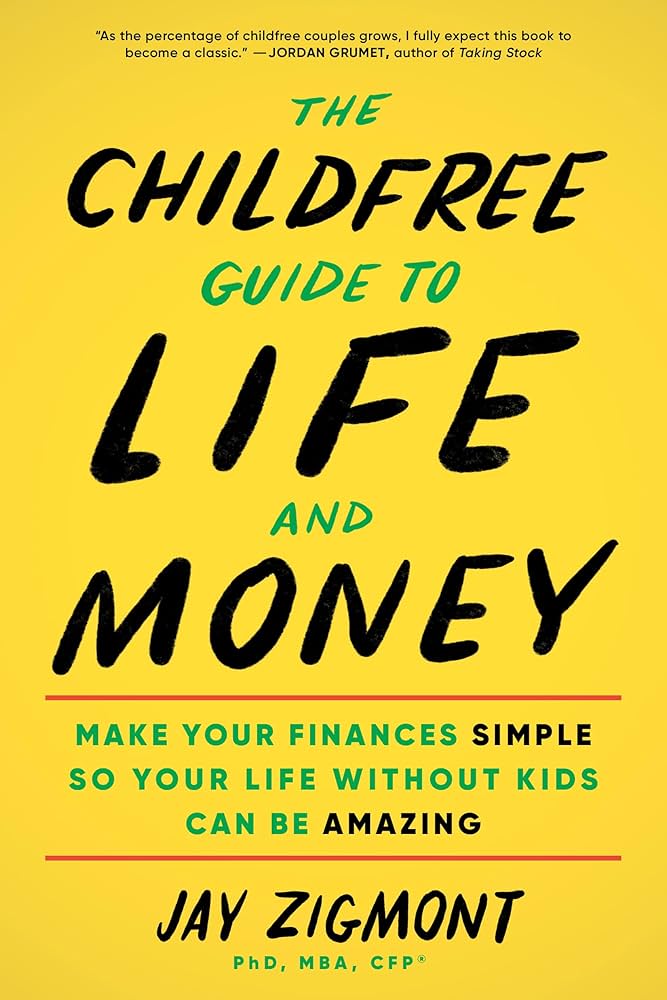
Childfree? You can maximize your wealth and live early, or as Jay Zigmont puts it, you can live the File Method!
— Tamarind Partners (@TamarindPartner) April 24, 2026
Check out the rest of Dr. Kirby Rosplock's conversation with Jay on childfree financial planning today! https://t.co/mx98l8Q7eT #childfree #financialliteracymonth pic.twitter.com/iSM79KYC9g
Investment Strategies: Beyond the Basics
Once you’ve established a solid savings foundation, it’s time to explore investment strategies. Traditional options like stocks, bonds, and real estate remain cornerstones of a diversified portfolio. However, childfree individuals, often with higher disposable income and a longer time horizon, can consider more advanced strategies.
Angel investing and venture capital offer the potential for high returns, but come with significant risk. These investments involve providing capital to startups and early-stage companies. It's crucial to understand that most startups fail, so only invest what you can afford to lose. Thorough due diligence is essential. Consider platforms like AngelList for access to vetted opportunities.
Alternative assets, such as private equity, hedge funds, and commodities, can also diversify a portfolio. These investments are typically less liquid and require a higher level of financial sophistication. They are often best suited for accredited investors with a high net worth. Diversification is paramount; don’t put all your eggs in one basket.
Tax-loss harvesting is a powerful strategy for minimizing tax liabilities. It involves selling investments that have lost value to offset capital gains taxes. Socially responsible investing (SRI) is another growing trend, allowing you to align your investments with your values. Consider ESG (Environmental, Social, and Governance) funds that prioritize companies with strong sustainability practices. Remember to focus on long-term growth and avoid chasing short-term market trends.
Estate Planning: Protecting Your Legacy
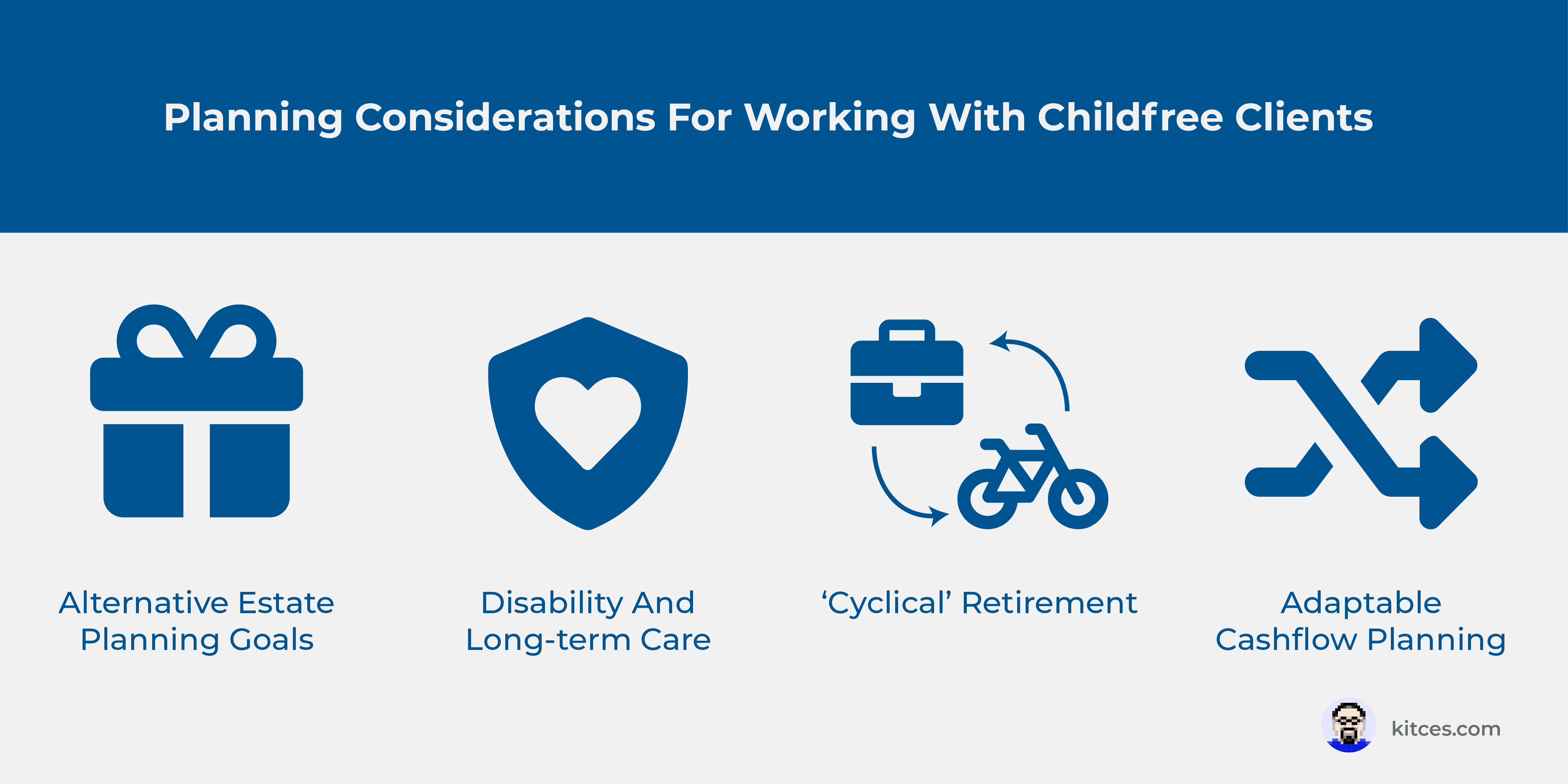
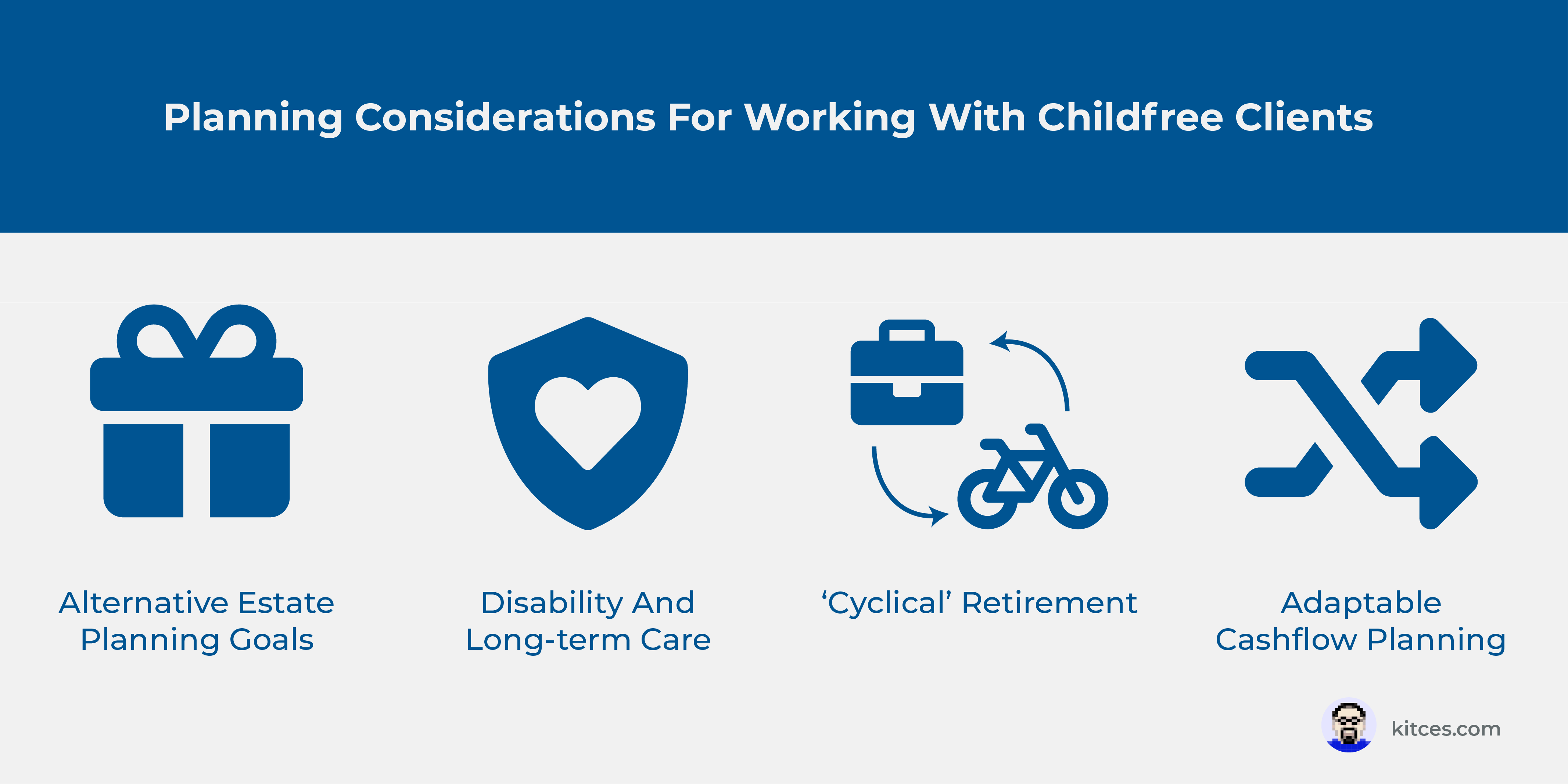
Estate planning isn't just for those with children. It's crucial for everyone, regardless of family status. Having a will ensures your assets are distributed according to your wishes. Without a will, your assets will be distributed according to state law, which may not align with your preferences.
A trust can provide greater control over asset distribution and potentially minimize estate taxes. A power of attorney designates someone to make financial and medical decisions on your behalf if you become incapacitated. These documents are essential for protecting your assets and ensuring your wishes are honored. Don’t delay creating these documents.
Childfree Wealth emphasizes the importance of proactive estate planning for individuals and couples without children. They offer services to help navigate these complexities and create a comprehensive plan. Designating beneficiaries for your accounts and insurance policies is also critical. Regularly review and update these designations to reflect any changes in your life.
Charitable giving can be integrated into your estate plan. You can leave a bequest to your favorite charity in your will or establish a charitable remainder trust. These strategies can provide tax benefits while supporting causes you care about. A well-defined estate plan provides peace of mind, knowing your assets will be managed and distributed according to your wishes.
Lifestyle Inflation: The Silent Wealth Killer
Lifestyle inflation is a subtle but dangerous threat to wealth building. It’s the tendency to increase spending as income rises. A promotion, a raise, a bonus – these are all opportunities to accelerate your progress towards financial independence, but they can also lead to increased spending on non-essential items. A larger house, a fancier car, more frequent vacations – these all add up.
Identifying and avoiding lifestyle creep requires self-awareness and discipline. Track your spending, create a budget, and prioritize experiences over material possessions. Ask yourself: does this purchase truly add value to my life, or is it just a fleeting desire? Focus on what genuinely brings you joy, rather than trying to keep up with the Joneses.
The concept of “enough” is crucial. Define what financial satisfaction means to you. Is it a specific net worth? A certain level of passive income? Once you’ve reached that point, resist the urge to keep chasing more. Acknowledge your accomplishments and enjoy the fruits of your labor. Don't let the pursuit of more overshadow the enjoyment of what you already have.
Emotional spending can derail even the best financial plans. Be mindful of your triggers and develop strategies to cope with them. Before making a significant purchase, take a step back and ask yourself if it aligns with your financial goals. Remember, delayed gratification is a powerful tool for building wealth.
Long-Term Care: Planning for the Unexpected
While often overlooked, planning for long-term care is essential, especially as you age. The costs of long-term care – whether it’s nursing home care, assisted living, or in-home care – can be substantial. According to recent estimates, the national average cost of a private room in a nursing home is over $9,000 per month.
There are several options for funding long-term care. Long-term care insurance can help cover these expenses, but premiums can be high and policies can be complex. Health savings accounts (HSAs) can be used to pay for qualified medical expenses, including long-term care costs. Self-funding involves setting aside assets specifically for long-term care expenses.
Consider the potential impact of long-term care costs on your overall financial plan. Will you need to sell assets? Will you be able to maintain your desired lifestyle? Having a plan in place can protect your assets and ensure your needs are met. Don’t assume that Medicare will cover all long-term care expenses; it typically only covers short-term rehabilitation.
Explore different long-term care insurance policies and compare premiums and benefits. Consult with a financial advisor to determine the best approach for your individual circumstances. Proactive planning is key to mitigating the financial risks associated with long-term care.
Core ETF Portfolio Comparison for Childfree Investors
Long-term wealth building options as of December 2024
| Asset | Current Price | 24h | 7d | 30d | Market Cap |
|---|---|---|---|---|---|
| Vanguard Total Stock Market ETF VTI | $287.45 | +0.8% | +1.2% | +5.7% | $394.2B |
| Vanguard Total International Stock ETF VXUS | $67.23 | +0.3% | -0.5% | +2.1% | $89.7B |
| Vanguard Total Bond Market ETF BND | $73.89 | -0.1% | -0.8% | +1.4% | $78.3B |
| Vanguard Real Estate Index Fund ETF VNQ | $92.67 | +0.6% | +2.1% | +4.8% | $43.1B |
| Invesco QQQ Trust ETF QQQ | $512.34 | +1.1% | +2.3% | +7.9% | $287.6B |
| Schwab US Dividend Equity ETF SCHD | $82.15 | +0.4% | +0.9% | +3.2% | $58.9B |
Analysis Summary
This diversified ETF selection offers childfree investors exposure across domestic equities (VTI), international markets (VXUS), fixed income (BND), real estate (VNQ), growth technology (QQQ), and dividend income (SCHD). QQQ leads recent performance while BND provides stability during market volatility.
Key Insights
- QQQ shows strongest momentum with +7.9% monthly gains, reflecting tech sector strength
- VTI and VNQ demonstrate solid performance suitable for long-term wealth accumulation
- BND offers portfolio stability with modest positive returns amid interest rate environment
- VXUS provides international diversification at attractive valuations relative to US markets
Prices reflect approximate market values as of December 2024. Performance data represents recent trading periods and should be considered alongside long-term historical trends and expense ratios for investment decisions.
Disclaimer: Stock prices are highly volatile and subject to market fluctuations. Data is for informational purposes only and should not be considered investment advice. Always do your own research before making investment decisions.
Giving Back: Philanthropy and Legacy
Building wealth isn’t solely about personal gain. It also presents opportunities to make a positive impact on the world and leave a lasting legacy. Philanthropy allows you to support causes you care about and contribute to a better future.
There are various charitable giving strategies available. A donor-advised fund (DAF) allows you to make a charitable contribution, receive an immediate tax deduction, and recommend grants to charities over time. A charitable remainder trust provides income to you or your beneficiaries for a period of time, with the remaining assets going to a charity. Direct donations are also a simple and effective way to support your favorite organizations.
Charitable giving offers tax benefits, potentially reducing your taxable income. It’s important to consult with a tax advisor to understand the implications of different giving strategies. Volunteering your time and skills is another way to give back to the community. It’s a rewarding experience that can make a tangible difference.
Consider aligning your philanthropic efforts with your values. What causes are you passionate about? What impact do you want to make? Leaving a legacy isn’t just about the wealth you accumulate; it’s about the positive change you create in the world. A thoughtful and intentional approach to philanthropy can ensure your values live on long after you’re gone.
Philanthropic Considerations
- Donor-Advised Funds (DAFs) - Platforms like Fidelity Charitable allow pre-tax contributions to be invested and then granted to charities over time. This offers immediate tax benefits and allows for strategic giving.
- Effective Altruism Resources - Organizations like 80,000 Hours provide research and career advice for maximizing positive impact, guiding individuals toward high-impact philanthropic areas.
- Charity Navigator - This independent evaluator assesses the financial health, accountability, and transparency of charities, helping donors make informed decisions about where to donate.
- GiveWell - Focused on finding highly effective, evidence-backed charities, GiveWell provides in-depth research and recommendations, particularly in global health and development.
- The Giving Pledge - An initiative founded by Bill and Melinda Gates and Warren Buffett, encouraging the world’s wealthiest individuals to dedicate the majority of their wealth to philanthropic causes.
- Community Foundations - Local community foundations offer a way to support causes within your geographic area, often with expertise in local needs and organizations.
- Planned Giving with Wills & Trusts - Incorporating charitable bequests into estate planning through wills or trusts allows for a lasting philanthropic legacy.

No comments yet. Be the first to share your thoughts!