
Beyond the Pill: Contraception in 2026
Let's be real: thinking about contraception isn’t exactly glamorous. But it is empowering. For those of us intentionally living a childfree lifestyle, it's a fundamental part of taking control of our bodies and our futures. And thankfully, the world of birth control is changing – rapidly. It’s no longer just about "the pill’; we"re seeing a surge in innovative options, increased focus on long-term solutions, and a growing demand for methods that fit individual needs and preferences.
Historically, contraception was largely about preventing unwanted pregnancy within the confines of societal expectations. But today, that's shifting. More and more people are proactively choosing to be childfree, and that changes the conversation. We’re looking for reliability, minimal side effects, and methods that align with our values. This article will walk you through the best contraception methods available in 2026, with a focus on options that support a fulfilling, childfree life.
Whether you're newly exploring your options or reassessing your current method, understanding the landscape is crucial. Contraception isn’t just about avoiding something; it's about creating the life you want. It’s about freedom, agency, and making informed decisions about your body. We’ll cover everything from the tried-and-true to the cutting-edge, helping you find the perfect fit for your needs.

Hormonal Heavyweights: IUDs & Implants
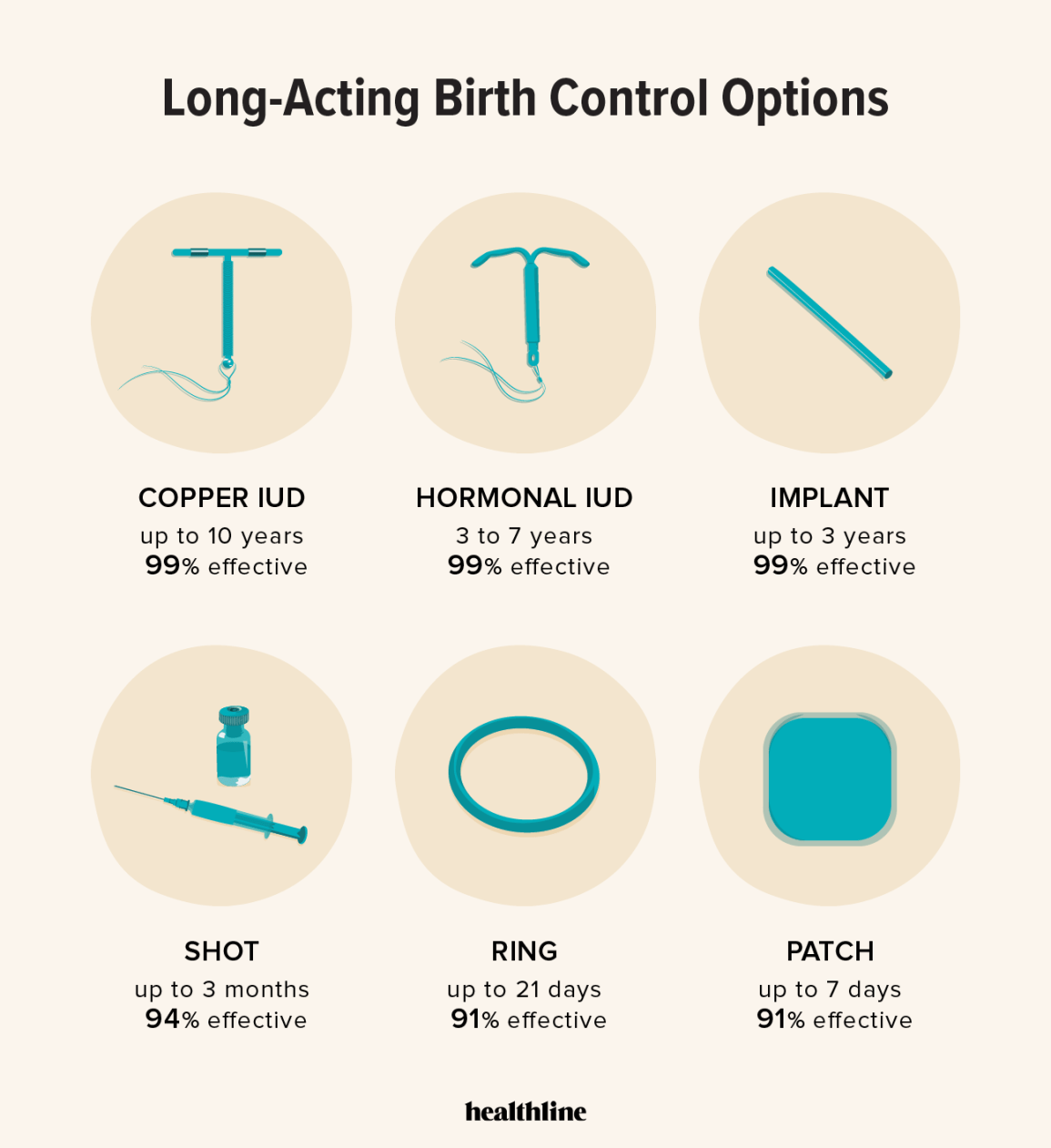
Long-Acting Reversible Contraception (LARC) is often considered the gold standard for effectiveness, and for good reason. IUDs (intrauterine devices) and implants are incredibly reliable, requiring minimal ongoing effort. There are two main types of IUDs: hormonal and copper. Hormonal IUDs, like Mirena, Kyleena, and Liletta, release progestin, thickening cervical mucus and thinning the uterine lining to prevent fertilization. The CDC reports a failure rate of less than 0.2% with typical use.
Copper IUDs, like Paragard, are hormone-free and work by creating an inflammatory response that is toxic to sperm. They’re a great option for those who prefer to avoid hormonal methods, though they can sometimes lead to heavier periods. Again, the failure rate is impressively low – less than 0.2% according to the CDC. Implants, like Nexplanon, are small, flexible rods inserted under the skin of the upper arm that release progestin.
Insertion and removal can be a bit daunting, honestly. Most people describe cramping during insertion, similar to a period. Pain management options, like over-the-counter pain relievers or local anesthesia, are available. Some experience irregular bleeding or spotting in the first few months, but this usually subsides. A common fear is the IUD "moving" but this is rare. Implants can sometimes cause irregular bleeding as well, and removal requires a minor surgical procedure.
Who are these methods good for? Anyone who wants highly effective, low-maintenance contraception. They're particularly well-suited for people who struggle with remembering daily pills or who want a long-term solution without having to think about it constantly. If you’re considering a LARC method, a thorough discussion with your healthcare provider is essential to address any concerns and determine the best fit for your body.
Daily & On-Demand: Pills, Patches, & Rings
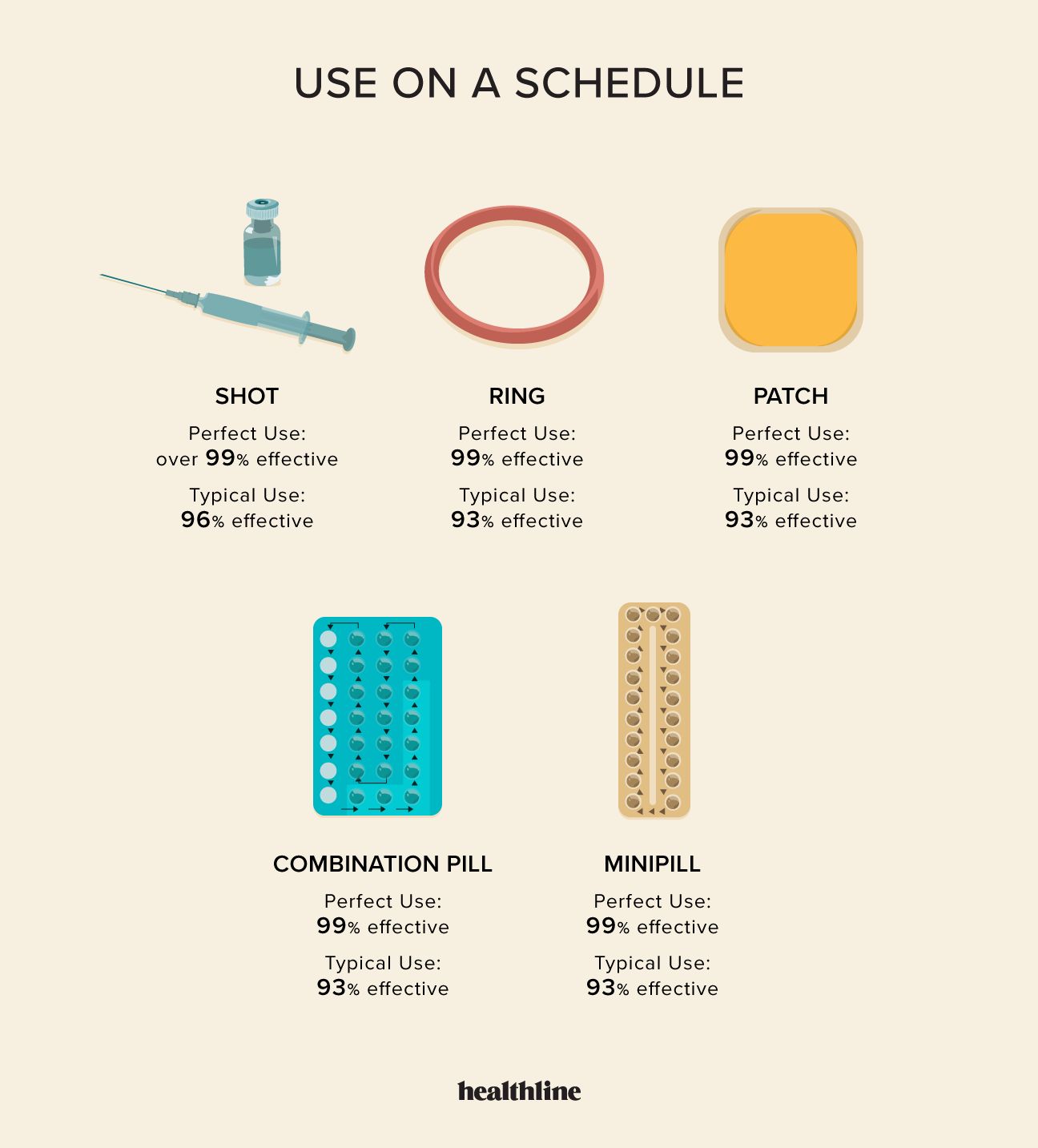
Traditional hormonal methods – birth control pills, patches, and vaginal rings – remain popular choices, offering a good balance of effectiveness and control. Birth control pills come in various formulations, containing different combinations of estrogen and progestin. The effectiveness with perfect use is around 99%, but with typical use (meaning occasional missed pills), it drops to about 91% according to the CDC.
The patch (Xulane) is a sticky patch applied to the skin that releases hormones. It’s changed every week for three weeks, followed by a patch-free week. The vaginal ring (NuvaRing) is a flexible ring inserted into the vagina that releases hormones. It’s left in for three weeks, then removed for one week. Both the patch and ring offer convenience, but can sometimes cause skin irritation or vaginal discomfort.
Newer pill formulations are emerging with potentially fewer side effects, like those containing drospirenone, which may help with acne or bloating. However, it’s crucial to discuss these options with your doctor, as they may not be suitable for everyone. Consistency is key with these methods. Missing pills, failing to change the patch on time, or improper ring use significantly reduces effectiveness.
Contraception Comparison: Options for the Childfree Life (2026)
| Method | Convenience 🗓️ | Hormone Impact | Side Effect Profile | Stopping/Starting |
|---|---|---|---|---|
| Combined Oral Pills | Daily routine required | Moderate - typically estrogen & progestin | Variable; can include mood changes, nausea, spotting | Relatively easy - stop taking pills |
| Progestin-Only Pills | Daily routine required | Low - only progestin | Often fewer side effects than combined pills, but irregular bleeding is common | Relatively easy - stop taking pills |
| Contraceptive Patch | Weekly change 🩹 | Moderate - similar hormones to combined pills, delivered transdermally | Similar to combined pills; skin irritation at patch site possible | Remove patch - effects subside within days |
| Vaginal Ring | Monthly insertion/removal 💍 | Moderate - similar hormones to combined pills, delivered vaginally | Similar to combined pills; some users report vaginal discomfort | Remove ring - effects subside within days |
| Contraceptive Implant | Long-acting (up to 3 years) 💪 | Low & Consistent - progestin only | Irregular bleeding is the most common side effect; other hormonal side effects possible | Requires a healthcare provider for removal |
| Hormonal IUD | Long-acting (3-8 years) ✨ | Low & Localized - progestin only | Irregular bleeding initially, may lighten over time. Lower systemic side effects. | Requires a healthcare provider for removal |
| Copper IUD | Long-acting (up to 10 years) 🛡️ | Hormone-Free | May cause heavier, longer periods and increased cramping | Requires a healthcare provider for removal |
Qualitative comparison based on the article research brief. Confirm current product details in the official docs before making implementation choices.
Barrier Methods: Updated & Improved
Let's not underestimate the power of barrier methods! Condoms – both male and female – are the only contraception that also protects against sexually transmitted infections (STIs). Male condoms are widely available and relatively inexpensive. Female condoms (like FC2) offer a bit more control for the person with a vagina, but are less commonly used.
Recent advancements have focused on improving comfort and sensitivity. Thinner latex condoms and those made from polyisoprene or polyurethane are available for those with latex allergies or sensitivities. Diaphragms and cervical caps are reusable barrier methods inserted into the vagina to cover the cervix, but they require a proper fitting by a healthcare provider and have lower effectiveness rates (around 88% with typical use).
While not the most foolproof method on their own, barrier methods are a great addition to any contraception plan, especially for those prioritizing sexual health.
Permanent Paths: Sterilization Options
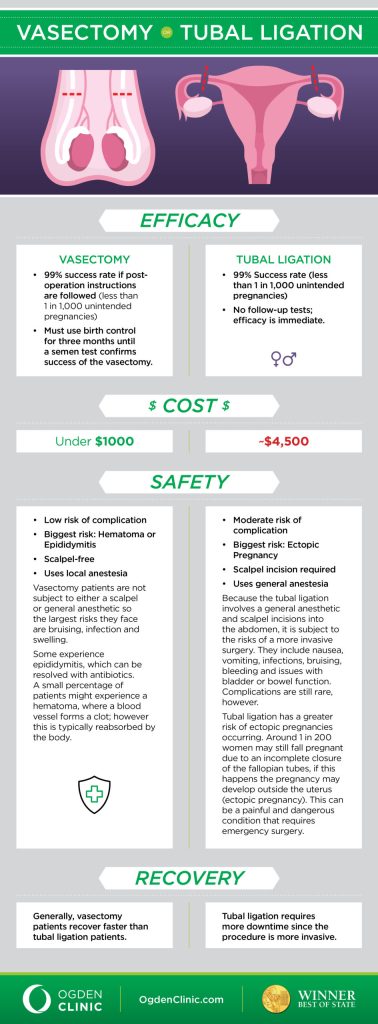
Sterilization – tubal ligation (often called “getting your tubes tied”) for people with uteruses and vasectomy for people with testicles – is a highly effective, permanent form of contraception. It’s a significant decision that shouldn’t be taken lightly, but it's a valid and often under-discussed option for those who are certain they don’t want to have children. The CDC reports failure rates of less than 1% for both procedures.
It's important to understand that while sterilization is often considered permanent, reversal surgery is possible in some cases, though it’s not always successful or covered by insurance. The decision-making process should involve thorough counseling with a healthcare provider to discuss the risks, benefits, and alternatives. It’s also crucial to address potential regrets and ensure that the individual has fully considered their options.
People often hesitate to discuss sterilization openly, but it’s a perfectly legitimate choice. It’s about taking control of your reproductive future and making a decision that’s right for you. Don’t be afraid to ask questions and explore all your options.
Emerging Contraception: What’s on the Horizon?
The future of contraception is looking exciting! Researchers are actively exploring several new methods. Non-hormonal IUDs, utilizing copper in different configurations, are being investigated to potentially reduce side effects like heavy bleeding. New gel-based barrier methods, applied vaginally before intercourse, are showing promise in pre-clinical trials.
Perhaps the most talked-about area of research is male hormonal contraception. Several gels and injections are currently in clinical trials, aiming to temporarily suppress sperm production. While still several years away from widespread availability, these options could revolutionize contraception by sharing the responsibility more equitably.
Another area of interest is the development of "on-demand’ contraception – pills that can be taken shortly before or after intercourse. These are still in early stages of development, but could offer a convenient option for those who don’t want to take daily pills. It"s important to remember that these emerging methods are at different stages of development, and timelines for availability are uncertain.
Cost & Access: Navigating the System
Access to affordable contraception is a major concern for many. The cost of contraception can vary significantly depending on the method and your insurance coverage. Most insurance plans are now required to cover contraception under the Affordable Care Act, but cost-sharing may still apply.
Fortunately, several programs offer low-cost or free contraception to those who qualify. Planned Parenthood is a valuable resource, providing a wide range of reproductive health services, including contraception, regardless of ability to pay. Other clinics and organizations may also offer financial assistance. Emergency contraception, like Plan B, is available over-the-counter without a prescription, but can still be expensive.
Navigating the system can be frustrating, but don’t hesitate to reach out for help. Your healthcare provider can advise you on your options and connect you with resources in your area.
Your Childfree Toolkit: Comfort & Confidence in Contraception

Water-based lubricant · Unscented and clear · Large 16 oz size
Enhances comfort during intimacy and is compatible with barrier methods.

Contains benzocaine for climax delay · Textured for enhanced sensation · Fragrance-free and individually packaged
Offers enhanced control and pleasure during intercourse, contributing to a positive sexual health experience.

Cycle tracking and prediction · Fertile window identification · Symptom logging
Provides essential insights into reproductive health and cycle management for informed decision-making.

Large hydrocolloid patches for nose · Absorbs pore gunk overnight · Dermatologist approved
Supports skin health and confidence by discreetly addressing minor skin concerns.
Odor block technology · Gynecologist tested · Hypoallergenic formula
Promotes intimate hygiene and comfort, contributing to overall well-being.
As an Amazon Associate I earn from qualifying purchases. Prices may vary.
Community Voices: Real Experiences
It's one thing to read about contraception options, and another to hear from people who have actually used them. One user on Reddit shared, ‘I switched to the hormonal IUD after years of struggling with remembering to take the pill. It's been a game-changer – I don't have to think about it, and my periods are so much lighter.’
Another person posted in a childfree community, "I decided on a vasectomy last year. It was a tough decision, but I’m so glad I did it. It gave me peace of mind knowing I wouldn’t have to worry about accidental pregnancy.’ A commenter on a women’s health forum noted, ‘I really wish doctors would be more upfront about the potential side effects of hormonal birth control. It took me years to find something that worked for me without making me feel awful."
These are just a few examples, but they highlight the importance of finding what works best for you. Everyone’s experience is different, and there’s no one-size-fits-all solution. The childfree community is a great place to share experiences and get support as you navigate your contraception journey.

No comments yet. Be the first to share your thoughts!