
Beyond Diapers: Redefining Financial Freedom
Financial advice often centers on saving for college and childcare, societal expectations we absorb. But what if those aren't your goals? Choosing a childfree life opens different financial opportunities.
Choosing not to have children is about empowerment and designing a life aligned with your values. Financial freedom varies, and societal pressure often dictates financial expectations.
Societal narratives often push saving for children, making non-parents feel behind. A childfree life lets you redefine financial success, focusing on experiences and desires.
Navigating a parent-centric world requires intention. The financial flexibility of a childfree life builds the foundation for the life you want.
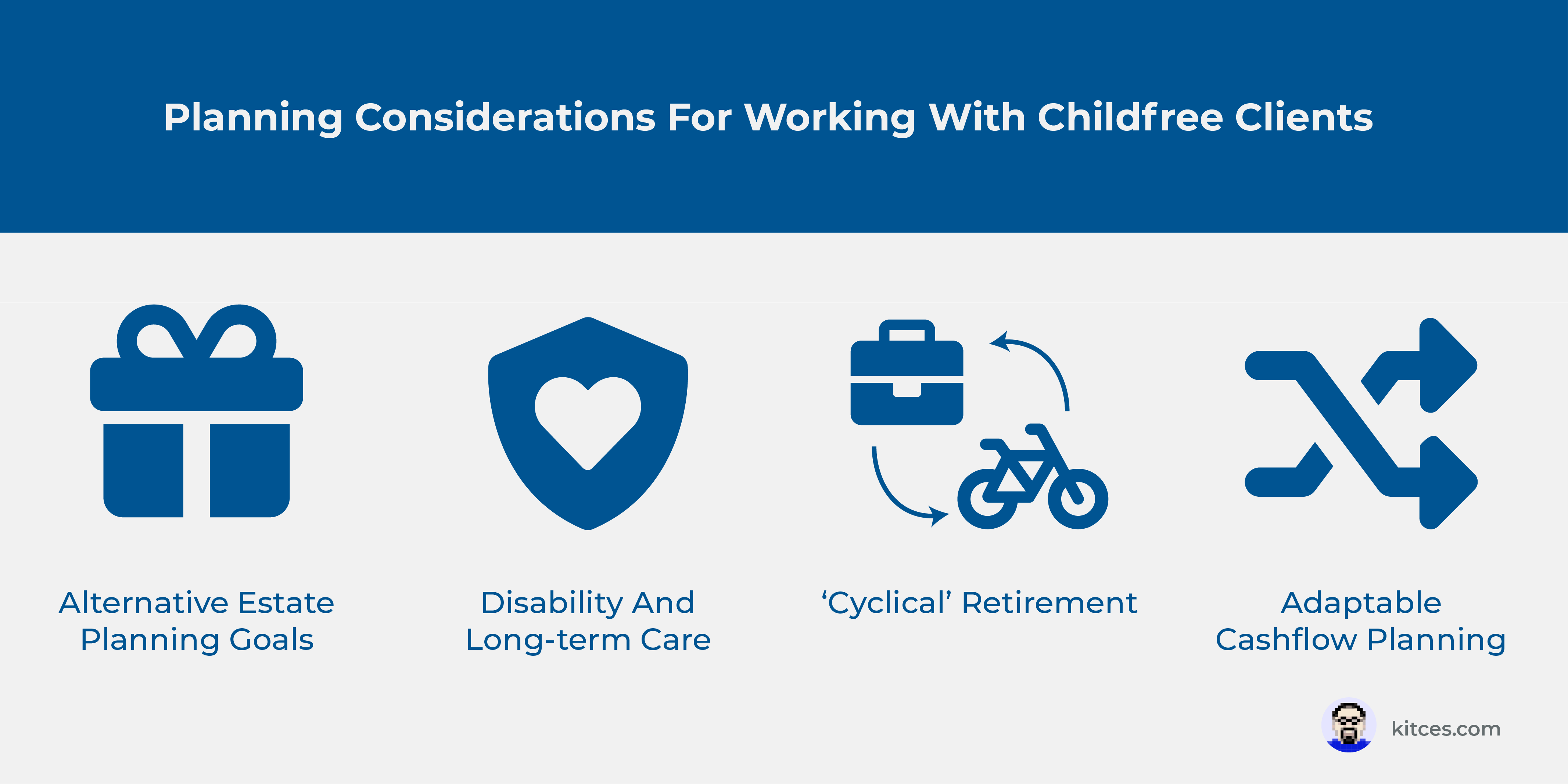
The DINK Advantage: Quantifying the Savings
The cost of raising a child is substantial. The USDA estimated in 2023 that it costs roughly $300,000 to raise a child to age 18, excluding college. Investopedia’s 2024 figures show average annual childcare costs from $9,000 to over $20,000.
These figures exclude healthcare, extracurriculars, clothing, and potential lost income from a parent taking time off. Larger families also mean higher housing costs. DINKs (Dual Income, No Kids) couples avoid this substantial financial commitment.
Investing $15,000 annually, the amount saved on child-rearing, at a 7% average annual return could grow to over $600,000 in 20 years, demonstrating the power of compounding.
This isn't about judging parents, but recognizing the financial implications of different life choices. These savings offer potential for early retirement, travel, pursuing passions, or greater financial security.
- Healthcare: Average annual costs can exceed $5,000 per child.
- Childcare: Ranging from $9,000 to $20,000+ annually, depending on location and age.
- Education: Public school is 'free,' but extracurriculars, supplies, and potential private school tuition add up.
- Housing: Larger homes are needed, increasing mortgage or rent payments.
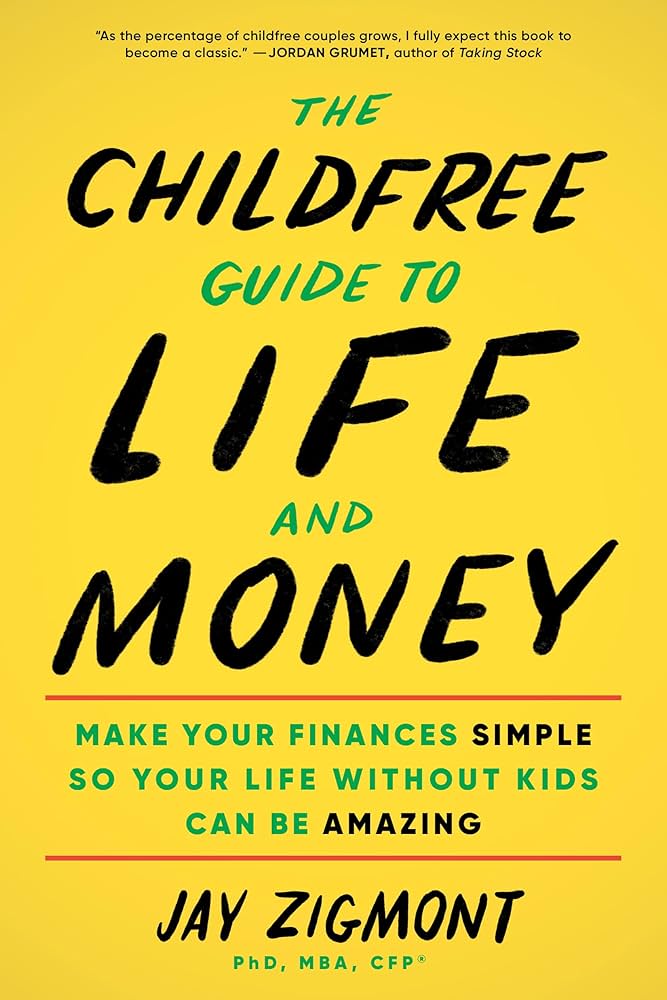
Childfree? You can maximize your wealth and live early, or as Jay Zigmont puts it, you can live the File Method!
— Tamarind Partners (@TamarindPartner) April 24, 2026
Check out the rest of Dr. Kirby Rosplock's conversation with Jay on childfree financial planning today! https://t.co/mx98l8Q7eT #childfree #financialliteracymonth pic.twitter.com/iSM79KYC9g
Investing for Experiences, Not Tuition
With significant savings potential, childfree individuals can invest for longer horizons, allowing for more risk and potentially higher returns.
Unlike college savings which prioritize conservative investments, childfree individuals can be more aggressive. A portfolio weighted towards stocks, especially when younger, historically outperforms other asset classes despite short-term volatility.
Diversification remains important. A mix of stocks, bonds, real estate (REITs or direct ownership), and carefully considered alternative investments like peer-to-peer lending or cryptocurrency is advisable.
Dr. Jay Zigmont of Childfree Wealth advocates for proactive, experience-focused investing, allowing childfree individuals to tailor strategies to their lifestyles and goals, supporting values like travel or early retirement.
Utilize tax-advantaged accounts like 401(k)s and IRAs to maximize gains. Dollar-cost averaging, investing a fixed amount regularly, is also beneficial regardless of market fluctuations.
Estate Planning: Beyond Inheritance
Estate planning is crucial for everyone, not just parents. It's about more than just passing assets to heirs.
A will outlines asset distribution after death; without one, state law dictates. A trust offers more control and flexibility over asset distribution timing and method.
Power of attorney designates someone for financial decisions if incapacitated. A healthcare directive outlines medical treatment wishes, ensuring they are respected when you cannot communicate them.
Childfree individuals can name family, friends, or charities as beneficiaries. Clearly documenting intentions in your estate plan is vital, especially when choosing non-traditional beneficiaries. Childfree Wealth offers resources for this.
Pet planning is also important. Designate a caregiver and provide financial resources for your animals, who are often considered family by childfree individuals.
- Will: Outlines asset distribution.
- Trust: Provides greater control and flexibility.
- Power of Attorney: Designates someone for financial decisions.
- Healthcare Directive: Outlines medical treatment preferences.
Travel as an Investment: Building Memories
Travel can be viewed as an investment in experiences, personal growth, and well-being, not just an expense. DINKs can prioritize experiences like travel over material possessions.
Exploring cultures, challenging yourself, and creating memories enrich life beyond material possessions, broadening perspective, increasing resilience, and fostering gratitude.
Maximize travel rewards with points or miles credit cards. Find affordable accommodations on platforms like Airbnb or VRBO. Traveling off-season or embracing digital nomadism can also reduce costs.
Travel offers valuable life lessons, from navigating unfamiliar situations to connecting with diverse people. These experiences shape individuals and influence decisions, paying dividends beyond the trip itself.

Relationships & Shared Finances
A childfree dynamic impacts relationship finances, making open communication and
Some couples choose to maintain separate finances, while others opt for joint accounts. There’s no one-size-fits-all answer. The key is to find a system that works for both of you and allows you to achieve your shared goals. Regularly discuss your financial situation, including income, expenses, and investments.
Prenuptial agreements and cohabitation agreements can provide financial protection for both partners, particularly in the event of a separation. These agreements can outline how assets will be divided and protect individual property. It's a sensitive topic, but it's important to have an honest conversation about it before getting married or moving in together.
Financial infidelity – hiding purchases or debt from your partner – can erode trust and damage a relationship. Transparency and honesty are essential for building a strong financial foundation as a couple. Consider budgeting together and tracking your expenses to stay on the same page.
Giving Back: Philanthropy Without Progeny
For many, having children is a way to leave a legacy. As childfree individuals, you have the opportunity to create a different kind of legacy – one built on philanthropy and giving back to causes you care about. It’s a powerful way to make a positive impact on the world.
Consider donating to organizations that align with your values. You can also establish a foundation to support specific causes or initiatives. Volunteering your time and expertise is another valuable way to contribute. There are countless ways to make a difference.
Charitable giving can also offer tax benefits. Donations to qualified organizations are often tax-deductible, reducing your taxable income. Consult with a tax advisor to understand the specific rules and regulations.
Think about what issues are most important to you – environmental conservation, social justice, animal welfare, education – and focus your giving efforts accordingly. Leaving a legacy doesn't require having children; it requires having a vision for a better future and the willingness to invest in it.
- Donating to organizations: Support causes you believe in.
- Establishing a foundation: Create a lasting impact.
- Volunteering time and expertise: Share your skills.
- Tax benefits: Donations may be tax-deductible.
Charities to Support
- The Nature Conservancy - Dedicated to conserving lands and waters globally, protecting biodiversity and addressing climate change. They work on a wide range of projects, from preserving forests to restoring coastal habitats.
- World Wildlife Fund (WWF) - Focused on wildlife conservation and reducing humanity’s impact on the environment. WWF works to protect endangered species and their habitats.
- American Civil Liberties Union (ACLU) - A non-profit organization dedicated to defending and preserving the individual rights and liberties guaranteed to every person in the United States. They tackle issues like voting rights, criminal justice reform, and freedom of speech.
- Southern Poverty Law Center (SPLC) - Dedicated to fighting hate and bigotry and to seeking justice for the most vulnerable members of society. They monitor hate groups and advocate for civil rights.
- Khan Academy - Provides free, world-class education for anyone, anywhere. Their mission is to provide a free, world-class education for anyone, anywhere, offering resources in math, science, history, and more.
- ASPCA (American Society for the Prevention of Cruelty to Animals) - Works to rescue animals from situations of abuse and find them loving homes. They also advocate for stronger animal welfare laws.
- Doctors Without Borders/Médecins Sans Frontières - Provides medical care in conflict zones and countries affected by endemic diseases. They deliver aid to people affected by war, epidemics, disasters, or exclusion from healthcare.


No comments yet. Be the first to share your thoughts!