
Permanent Options: A Childfree Decision
Choosing sterilization is a deeply personal decision that deserves careful consideration. It's a weighty step, often involving complex emotions and a thorough assessment of one's life goals and values. Acknowledging the emotional and psychological aspects is paramount.
For many, the decision stems from a confident embrace of a childfree life, a life intentionally lived without raising children. This isn’t necessarily a rejection of children, but an affirmation of personal fulfillment through other avenues. Societal pressures often present parenthood as the default life path, so making an informed choice requires navigating those expectations.
Informed consent is essential. This means a full understanding of the procedure, its risks, benefits, and alternatives, presented without judgment or coercion. The growing number of individuals identifying as childfree demonstrates a shift, where prioritizing personal autonomy is increasingly valued. It’s about claiming agency over one’s reproductive future and building a life aligned with personal desires.
This isn't a last resort; it's a proactive step towards defining one's own life. It is a positive, empowering choice for those who have thoughtfully considered their options and are certain about their desire for a childfree existence.

Vasectomy: Details and Recovery
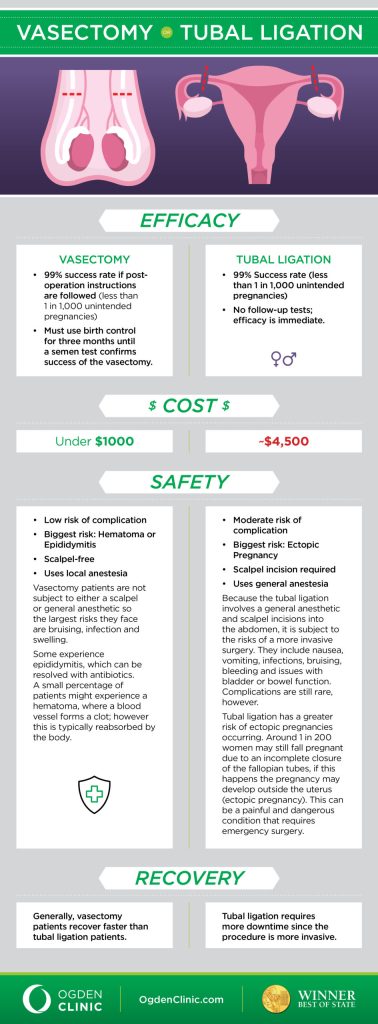
A vasectomy is a surgical procedure for male sterilization, preventing sperm from being included in ejaculate. There are two primary techniques: the traditional vasectomy, which involves a scalpel incision, and the no-scalpel vasectomy, which uses a small puncture to access the vas deferens. The no-scalpel method is favored due to its reduced risk of bleeding and quicker recovery time.
During the procedure, the vas deferens – the tubes that carry sperm from the testicles – are cut, sealed, or blocked. Local anesthesia is typically used, meaning the patient remains awake but feels no pain during the operation. Some men report a slight tugging or pressure sensation. The procedure usually takes less than 30 minutes.
After the vasectomy, patients can generally return home with minimal restrictions. Some discomfort, swelling, and bruising are common in the first few days. Doctors recommend avoiding strenuous activity, heavy lifting, and sexual intercourse for about a week. Over-the-counter pain relievers are sufficient for managing discomfort. Ice packs can help reduce swelling.
Long-term, most men experience no significant side effects. However, a small percentage may develop post-vasectomy pain syndrome (PVPS), characterized by chronic testicular pain. The CDC reports vasectomy to be over 99% effective, but a small failure rate exists, typically due to recanalization – the vas deferens rejoining. This occurs in less than 1% of cases, and is why a semen analysis is required after the procedure to confirm sterility.
The CDC's data consistently demonstrates vasectomy as one of the most reliable forms of contraception. A vasectomy does not protect against sexually transmitted infections, so continued safe sex practices are still crucial. While reversals are possible, they aren’t always successful and should not be considered a guarantee.
- First Few Days: Rest, ice packs, over-the-counter pain relievers.
- First Week: Avoid strenuous activity, heavy lifting, and sexual intercourse.
- Long-Term: Monitor for any signs of infection or chronic pain. Follow up with your doctor for a semen analysis.
Tubal Ligation: Methods Explained
Tubal ligation, often called "getting your tubes tied," is a surgical procedure for female sterilization. It involves blocking or removing the fallopian tubes, preventing the egg from traveling to the uterus and sperm from reaching the egg. Several methods exist, each with its own advantages and considerations.
Laparoscopic tubal ligation is a common approach, using small incisions and a camera to visualize the fallopian tubes. The tubes are then closed using clips, bands, or cauterization. Minilaparotomy involves a slightly larger incision, typically made just below the belly button, allowing direct access to the tubes. This method can be useful if laparoscopic surgery isn't feasible.
Postpartum partial salpingectomy (PPS) is an increasingly recommended option, particularly for women who have recently given birth. This involves removing a portion of the fallopian tube, offering a potentially lower risk of ectopic pregnancy compared to other methods. Hysteroscopic sterilization, while less common, involves inserting a small device into the uterus to block the fallopian tubes; this is only suitable for certain tubal structures.
Recovery times vary depending on the method used. Laparoscopic and minilaparotomy procedures typically require a few days of hospital stay and several weeks for full recovery. PPS recovery is often similar to a standard postpartum recovery. Pain management usually involves over-the-counter or prescription pain medication. Follow your doctor’s post-operative instructions carefully.
Potential risks and complications include infection, bleeding, damage to other organs, and, rarely, ectopic pregnancy if the procedure fails. While tubal ligation is highly effective, a small failure rate exists. The risk of regret is also a significant consideration, and thorough counseling before the procedure is essential. The CDC estimates a failure rate of less than 1% within the first ten years, but this can increase over time.
The specific method chosen will depend on individual factors, such as medical history, body type, and the surgeon's expertise. A detailed discussion with your healthcare provider is crucial to determine the most appropriate option. While reversals are possible, they are more complex and less successful than vasectomy reversals.
- Laparoscopic Tubal Ligation: Small incisions, camera visualization, clips/bands/cauterization.
- Minilaparotomy: Slightly larger incision, direct access to tubes.
- Postpartum Partial Salpingectomy (PPS): Removal of a portion of the fallopian tube, often performed after childbirth.
- Hysteroscopic Sterilization: Device insertion into the uterus to block tubes (less common).
Tubal Ligation Methods Comparison - 2026
| Procedure Type | Invasiveness | Recovery Time | Risk Profile | Patient Suitability |
|---|---|---|---|---|
| Bilateral Tubal Ligation (BTL) - Laparoscopic | Minimally Invasive - typically involves small incisions | Generally 1-2 weeks for full recovery, though some discomfort may linger. | Low risk of complications, but potential risks include infection, bleeding, and damage to other organs. Ectopic pregnancy risk reduced, but not eliminated. | Suitable for most individuals seeking permanent sterilization; good option for those who prefer minimally invasive surgery. |
| Bilateral Salpingectomy | Minimally Invasive - similar to BTL, but involves removal of the fallopian tubes | Similar to BTL - 1-2 weeks for full recovery. | Potentially lower risk of ovarian cancer compared to BTL. Similar risks to BTL regarding infection, bleeding, and organ damage. Eliminates risk of ectopic pregnancy. | Excellent option for individuals seeking permanent sterilization and potential ovarian cancer risk reduction. |
| Postpartum Tubal Ligation | Moderately Invasive - performed immediately after vaginal delivery or C-section | Recovery time varies depending on delivery method; typically longer than scheduled laparoscopic BTL (2-6 weeks). | Slightly increased risk of complications compared to scheduled BTL due to the postpartum state. Risks include infection, bleeding, and anesthetic complications. | Convenient for individuals who desire sterilization immediately following childbirth. |
| Tubal Implants (e.g., Essure - *Note: Essure is no longer available in many markets* ) | Minimally Invasive - previously involved insertion of coils into the fallopian tubes (availability limited) | Recovery is typically faster than surgical methods, often within a few days to a week (when available). | Historically associated with complications such as device migration, pain, and allergic reactions. *Availability is limited due to safety concerns.* | Previously suitable for individuals seeking a non-surgical option, but limited availability significantly restricts this. |
| Hysteroscopic Sterilization | Minimally Invasive - involves inserting devices into the fallopian tubes through the cervix. | Generally a shorter recovery time than surgical methods, often a few days to a week. | Risks include perforation of the uterus, infection, and device expulsion. Long-term effectiveness data is still being collected. | May be suitable for individuals who have had a Cesarean section or prefer to avoid abdominal surgery. |
| Mini-Laparotomy | More Invasive - involves a smaller abdominal incision than traditional laparotomy. | Recovery time is typically longer than laparoscopic methods (2-4 weeks). | Similar risks to laparoscopic BTL, but potentially higher risk of complications due to the larger incision. | May be considered when laparoscopic surgery is not feasible or has failed. |
Illustrative comparison based on the article research brief. Verify current pricing, limits, and product details in the official docs before relying on it.
Reversal Possibilities: What You Need to Know
While sterilization is generally considered permanent, reversal procedures are sometimes possible. Approach these with realistic expectations. Success rates vary significantly depending on several factors, including the time elapsed since the original sterilization, the patient’s age, and the technique used.
Vasectomy reversals generally have higher success rates than tubal ligation reversals. According to the American Urological Association, patency rates (the return of sperm to the ejaculate) for vasectomy reversals range from 75% to 95%. Patency doesn't guarantee pregnancy; pregnancy rates are typically lower, around 50% to 85%.
undefined several thousand to over ten thousand dollars, and are often not covered by insurance.
Emotionally, pursuing a reversal can be a complex process. It’s essential to acknowledge the possibility of failure and the potential for disappointment. Thorough counseling can help patients navigate these challenges and make informed decisions. Remember, reversal isn’t a guaranteed path to pregnancy, and it’s important to be prepared for all possible outcomes.
Cost and Insurance Coverage in 2026
The cost of sterilization procedures can vary significantly based on location, provider, and the specific method used. In 2026, a vasectomy typically ranges from $500 to $2,000, while laparoscopic tubal ligation can cost between $2,000 and $6,000. Postpartum partial salpingectomy may fall within a similar range, while hysteroscopic sterilization could be slightly less expensive, around $1,500 to $4,000.
These costs generally include the procedure itself, anesthesia fees, facility charges, and follow-up appointments. However, unexpected expenses can arise, so it’s essential to get a detailed cost estimate from your provider. Insurance coverage varies widely depending on your plan and state regulations.
The Affordable Care Act (ACA) mandates that most insurance plans cover sterilization procedures without cost-sharing. However, some plans may require pre-authorization or have limitations on provider networks. It's crucial to check with your insurance provider to understand your specific coverage.
Resources for financial assistance include hospital financial aid programs, patient assistance foundations, and medical credit cards. Planned Parenthood also offers affordable sterilization services. Understanding your insurance coverage and exploring available financial assistance options can help make sterilization more accessible.
Finding a Provider: Questions to Ask
Finding a qualified healthcare provider is paramount when considering sterilization. Start by asking for recommendations from your primary care physician or trusted friends. Online directories and hospital websites can also be helpful resources. Look for a doctor with extensive experience performing the specific sterilization procedure you’re considering.
During your consultation, be prepared to ask a series of important questions. Here are a few to get you started: What is your experience with this procedure? What are the potential risks and benefits? What is the recovery process like? What are your success rates? What are the costs involved? What are your policies on informed consent?
It’s also crucial to ask about how the provider handles complications. What is their plan if something goes wrong during or after the procedure? A good provider will be transparent, honest, and willing to address all your concerns. Don't hesitate to seek a second opinion if you feel uncomfortable or unsure.
Ultimately, you want to find a provider who respects your autonomy and choices. They should listen to your concerns, answer your questions thoroughly, and support your decision without judgment. A trusting relationship with your healthcare provider is essential for a positive experience.
Emerging Technologies & Future Trends
The field of sterilization is constantly evolving. In 2026, we can anticipate continued advancements in minimally invasive techniques, potentially leading to even shorter recovery times and reduced risks. Research into non-surgical sterilization options, such as reversible vasal plugs, is ongoing, though widespread availability is still some years away.
Ongoing research also focuses on improving the success rates of tubal ligation reversals and reducing the risk of ectopic pregnancy after reversal. Developments in imaging technology may allow for more precise assessment of tubal health before and after sterilization.
Future trends may include increased access to sterilization services, particularly in underserved communities, and greater affordability through innovative financing options. Telemedicine may also play a larger role in pre- and post-operative care. It is important to remember that this is a rapidly evolving field, and information is subject to change.
Staying informed about the latest advancements and consulting with a qualified healthcare provider are crucial for making the best decision for your reproductive health. The goal is to empower individuals to make informed choices about their bodies and their futures.

No comments yet. Be the first to share your thoughts!