
Beyond Diapers: Redefining Financial Freedom
Financial advice often centers on having children: college funds, family-sized mortgages, and retirement plans for dependents. But what if that isn’t your path? Choosing not to have children fundamentally alters your financial approach.
Society often frames the childfree lifestyle as a lack, but it’s a liberation. It’s an opportunity to redefine financial freedom on your terms. This isn’t about denying yourself joy or experiences; it’s about being intentional with your resources and building a life aligned with your values. You can direct your financial energy towards passions, goals, and a future designed specifically for you.
The average cost of raising a child to age 18 exceeds $300,000, according to the USDA (2015 data). This guide focuses on what you can do with that potential, building wealth without children and unlocking financial flexibility many never experience.
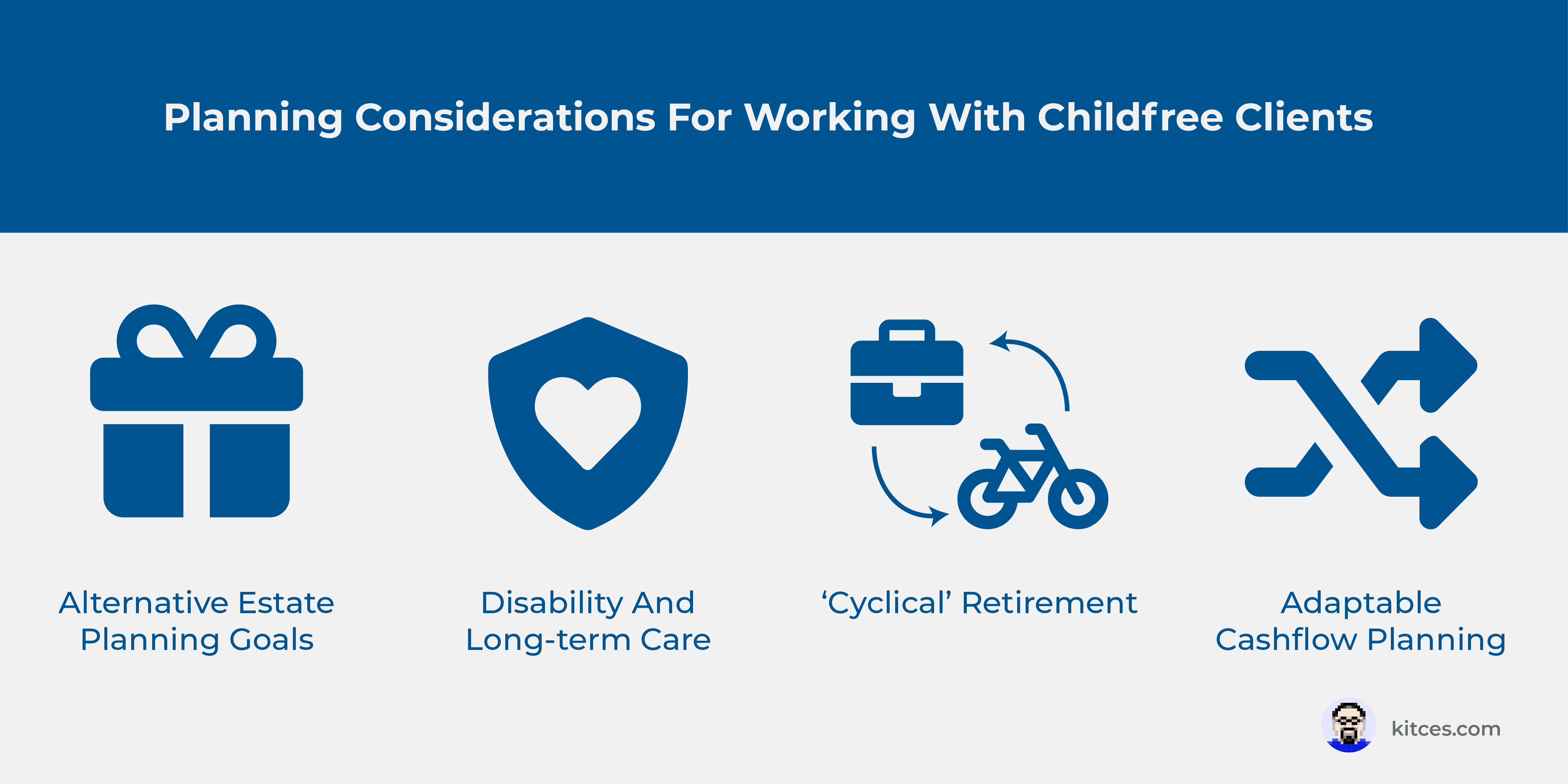
The Childfree Advantage: Where Your Money Goes Instead
Childfree individuals have significantly more disposable income. It’s not simply about avoiding the immediate costs of diapers and daycare; it’s about a long-term shift in financial priorities.
Raising a child costs a middle-income family roughly $233,610 on housing, $168,570 on food, $31,870 on healthcare, and $28,430 on education, according to the USDA’s 2015 report. These figures represent decades of financial commitment. Imagine reallocating those funds. What could you achieve?
Opportunities are vast. Early retirement is a common goal, allowing childfree individuals to pursue passions and travel during their prime years. Real estate investment becomes more accessible, potentially generating passive income and long-term wealth. Starting a business, a dream deferred for many parents, can become a reality. Travel offers enriching experiences and broadens perspectives. This isn’t about deprivation; it’s about consciously choosing where your money goes.
Childfree individuals often have a longer time horizon for investing, allowing them to take on more risk and potentially achieve higher returns. It’s about building a life that aligns with your values and using your financial resources to make that life a reality.
- Housing: $233,610 (USDA estimate)
- Food: $168,570 (USDA estimate)
- Healthcare: $31,870 (USDA estimate)
- Education: $28,430 (USDA estimate)
Childfree vs. Parenthood: Potential Allocation of Resources (Qualitative Comparison - 2026)
| Typical Parental Expense Category | Potential Childfree Alternative | Financial Impact | Long-Term Growth Potential |
|---|---|---|---|
| Housing (Larger Home) | Down Payment on Investment Property | Potentially Lower initial outlay, avoids upsizing | Significant, dependent on market; potential for rental income and appreciation |
| Childcare Costs | Early Retirement Contributions | Lower ongoing expense, tax advantages | Compounding growth over decades, increased financial freedom |
| Food (Increased Quantity & Specialized Needs) | Travel Fund | More flexible spending, potential for experiences | Moderate; value derived from experiences, potential for asset appreciation if investing in travel-related businesses |
| Healthcare (Child's Medical Expenses) | Enhanced Health Insurance/Wellness | Focus on preventative care and quality coverage for self/partner | Improved quality of life, potentially lower long-term healthcare costs |
| Education (Private School/College Fund) | Business Startup/Investment | Higher risk, potentially higher reward | Substantial, dependent on business success or investment performance |
| Extracurricular Activities (Sports, Music, etc.) | Professional Development/Skill Enhancement | Investment in self, increased earning potential | High; increased career opportunities and income |
| Clothing & Personal Care (Child-Related) | Luxury Goods/Hobbies | Discretionary spending aligned with personal interests | Moderate; enjoyment and personal fulfillment |
Qualitative comparison based on the article research brief. Confirm current product details in the official docs before making implementation choices.
Investing with Intention: Aligning Finances with Values
For many childfree individuals, financial planning extends beyond maximizing returns. It’s about aligning investments with values and creating a portfolio that reflects what’s important. This often means prioritizing experiences, travel, or leaving a positive impact.
Socially responsible investing (SRI) and impact investing allow you to support companies that align with your ethical beliefs, prioritizing environmental sustainability, social justice, and good governance. You can also explore real estate investments that contribute to community development or small business ownership that supports local economies.
Your risk tolerance and time horizon are key factors when choosing investment strategies. Younger individuals with a longer time horizon may be comfortable taking on more risk for higher returns. Those closer to retirement may prefer a more conservative approach. Understand your financial situation and goals before making investment decisions.
Financial planning isn’t just about numbers; it’s about living a meaningful life. Use your resources to create a future that aligns with your values and brings you joy. For childfree individuals, this often means prioritizing experiences and pursuing passions that enrich their lives.
Childfree Wealth Building: Aligning Finances with Your Dream Lifestyle | Interview with Dr. Jay Zigmont
The Fioneers
Watch on YouTube →Estate Planning: Beyond Inheritance
Estate planning is often associated with parents ensuring their children are provided for, but it’s important for childfree individuals too. Many assume it’s not relevant, which is a mistake. Without children, you need to be deliberate about who will inherit your assets and manage your affairs if you become incapacitated.
A will outlines how your assets will be distributed after your death. A trust can provide more control over asset distribution and may offer tax advantages. A power of attorney designates someone to make financial decisions if you’re unable, and a healthcare directive outlines your wishes for medical treatment.
Designating beneficiaries is critical. This could include friends, family members, charities, or even your pets (through a pet trust). Consider who shares your values and who you trust to carry out your wishes. Leaving a legacy doesn’t always mean passing on wealth to direct descendants; it can mean supporting causes you believe in or leaving a positive impact on your community.
Don’t assume estate planning is only for parents. It’s about protecting your assets, ensuring your wishes are honored, and providing peace of mind knowing your affairs are in order.
- Will: Outlines asset distribution
- Trust: Provides control and potential tax benefits
- Power of Attorney: Designates financial decision-maker
- Healthcare Directive: Outlines medical wishes
Retirement Reimagined: What Does Freedom Look Like?
Retirement looks different for childfree individuals. Without the financial obligations of raising children, many can retire earlier or pursue more ambitious retirement goals. This freedom allows for a more flexible and fulfilling lifestyle.
Traditional retirement accounts – 401(k)s, IRAs, and Roth IRAs – are valuable tools for building wealth. Understanding the tax advantages of each account type is essential. A Roth IRA allows for tax-free withdrawals in retirement, while a traditional IRA offers tax deductions in the present.
Consider your desired lifestyle in retirement. Do you want to travel extensively? Pursue hobbies? Volunteer your time? Your retirement plan should support these goals. Factor in healthcare costs, which are likely to increase as you age.
This information should not be considered financial advice. Consult with a qualified professional to develop a retirement plan tailored to your specific needs and circumstances.
Navigating Relationships and Finances
Shared finances can be complex in any relationship, requiring extra consideration when one or both partners are childfree. Open communication and financial transparency are paramount. Discussing financial goals, values, and expectations is essential for building a strong partnership.
Prenuptial agreements can be sensible, particularly if one partner has significantly more assets. These agreements protect individual financial interests in the event of a divorce. They aren’t about anticipating failure; they’re about planning for the future with clarity and fairness.
undefined – can offer a balance between collaboration and independence.
These conversations can be difficult, but they are essential. Addressing financial issues proactively can prevent misunderstandings and build trust within the relationship.
The Unexpected Costs: Planning for the Future
While we celebrate the financial freedoms of a childfree life, it’s crucial to prepare for the unexpected. Life throws curveballs, and it’s important to have a financial safety net in place to weather any storms. This includes long-term care, potential health issues, supporting aging parents, and unforeseen emergencies.
Adequate insurance coverage is essential. Health insurance is a must, but also consider disability insurance to protect your income if you become unable to work. Long-term care insurance can help cover the costs of assisted living or nursing home care. Life insurance, even without dependents, can be used to cover debts or leave a legacy to loved ones.
Building an emergency fund is also critical. Aim to have 3-6 months of living expenses saved in a readily accessible account. This will provide a cushion in case of job loss, unexpected medical bills, or other financial setbacks.
Financial planning isn’t just about building wealth; it’s about protecting what you have and preparing for the uncertainties of life. A proactive approach can provide peace of mind and ensure you’re financially secure, no matter what the future holds.
Resources & Community: Where to Find Support
You’re not alone on this journey. A growing community of childfree individuals are embracing this lifestyle and building fulfilling, financially secure lives. There are numerous resources available to help you navigate the unique challenges and opportunities of childfree financial planning.
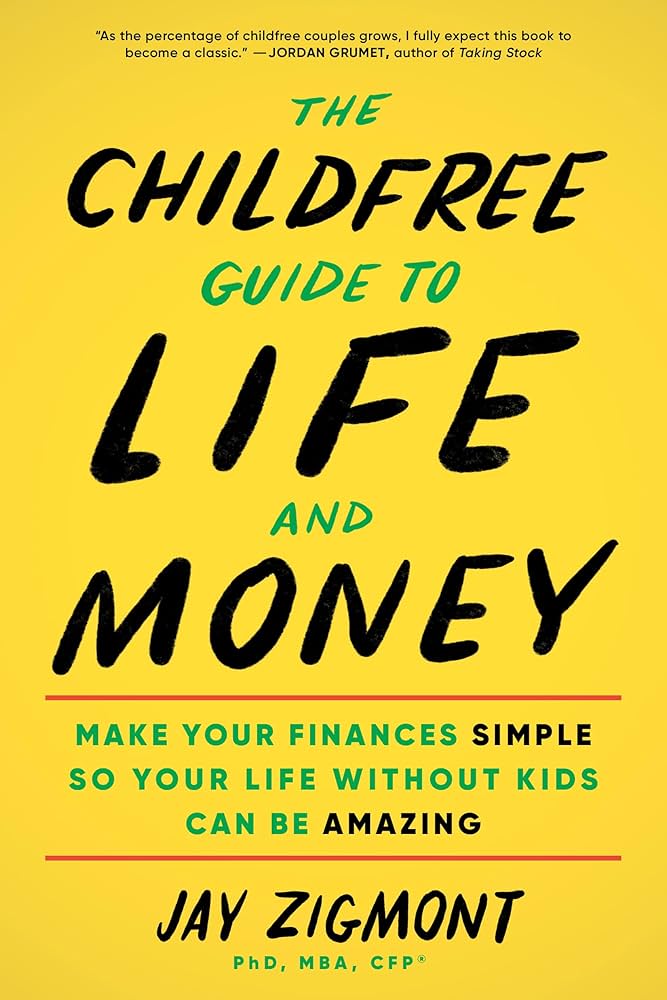
Childfree Wealth (childfreewealth.com) offers comprehensive financial planning services specifically tailored to childfree individuals. Their website also features valuable resources, including a podcast and a book by Dr. Jay Zigmont. Connecting with others through online communities can provide support, encouragement, and valuable insights.
Explore podcasts like The Fioneers, who regularly discuss financial independence and alternative lifestyles. Consider working with a financial advisor who specializes in childfree financial planning. They can provide personalized guidance and help you develop a plan that aligns with your goals.
Remember, building wealth without children is not about sacrificing happiness; it’s about creating a life you love, on your own terms. Take advantage of the resources available to you, connect with others, and embrace the freedom and flexibility that this lifestyle offers.
- Childfree Wealth: childfreewealth.com
- The Fioneers Podcast:
- Childfree Academy: Offered through Childfree Wealth
Financial Resources
- NerdWallet - A comprehensive website offering free tools and articles on personal finance topics like budgeting, investing, credit cards, and insurance. They provide comparisons and ratings to help you make informed decisions.
- The Balance - Offers practical advice on a wide range of financial matters, including saving, investing, debt management, and retirement planning. Articles are written in an accessible style for everyday readers.
- Your Money or Your Life by Vicki Robin and Joe Dominguez - A classic personal finance book that encourages readers to re-evaluate their relationship with money and align spending with values. It focuses on financial independence and early retirement.
- The ChooseFI Podcast - Explores the concepts of Financial Independence, Retire Early (FIRE) through interviews with people who have achieved financial freedom. Offers actionable strategies for saving, investing, and reducing expenses.
- Fee-Only Financial Planner - Consider working with a financial advisor who operates on a fee-only basis, meaning they don't receive commissions from selling financial products. This minimizes potential conflicts of interest. NAPFA.org is a good resource to find qualified advisors.
- Reddit’s r/financialindependence - A large online community where people discuss strategies for achieving financial independence. It’s a great place to ask questions, share experiences, and learn from others.
- Mint - A free budgeting app that allows you to track your spending, create budgets, and monitor your financial accounts in one place. It can help you identify areas where you can save money.


No comments yet. Be the first to share your thoughts!