
Long-term birth control options
Taking control of your reproductive health is empowering, and for those of us confidently choosing a childfree life, it’s a really important part of building the future we want. Long-term reversible contraception (LARC) methods offer a 'set it and forget it' approach that can provide peace of mind for years to come. They’re significantly more effective than shorter-acting methods, and honestly, they just make life simpler.
This guide will walk you through the most effective long-term contraception options available in 2026. We’ll cover everything from IUDs and implants to the shot and permanent sterilization. It's important to remember that the 'best' method is incredibly personal. What works wonderfully for one person might not be the right fit for another. We will focus on providing you with the information you need to make an informed decision.
We're going to look at effectiveness rates, potential side effects, costs, and what each method actually involves. I'll be drawing on data from the CDC and FDA to give you the most up-to-date information available. Let’s dive in and explore how you can confidently navigate your reproductive choices.
IUDs
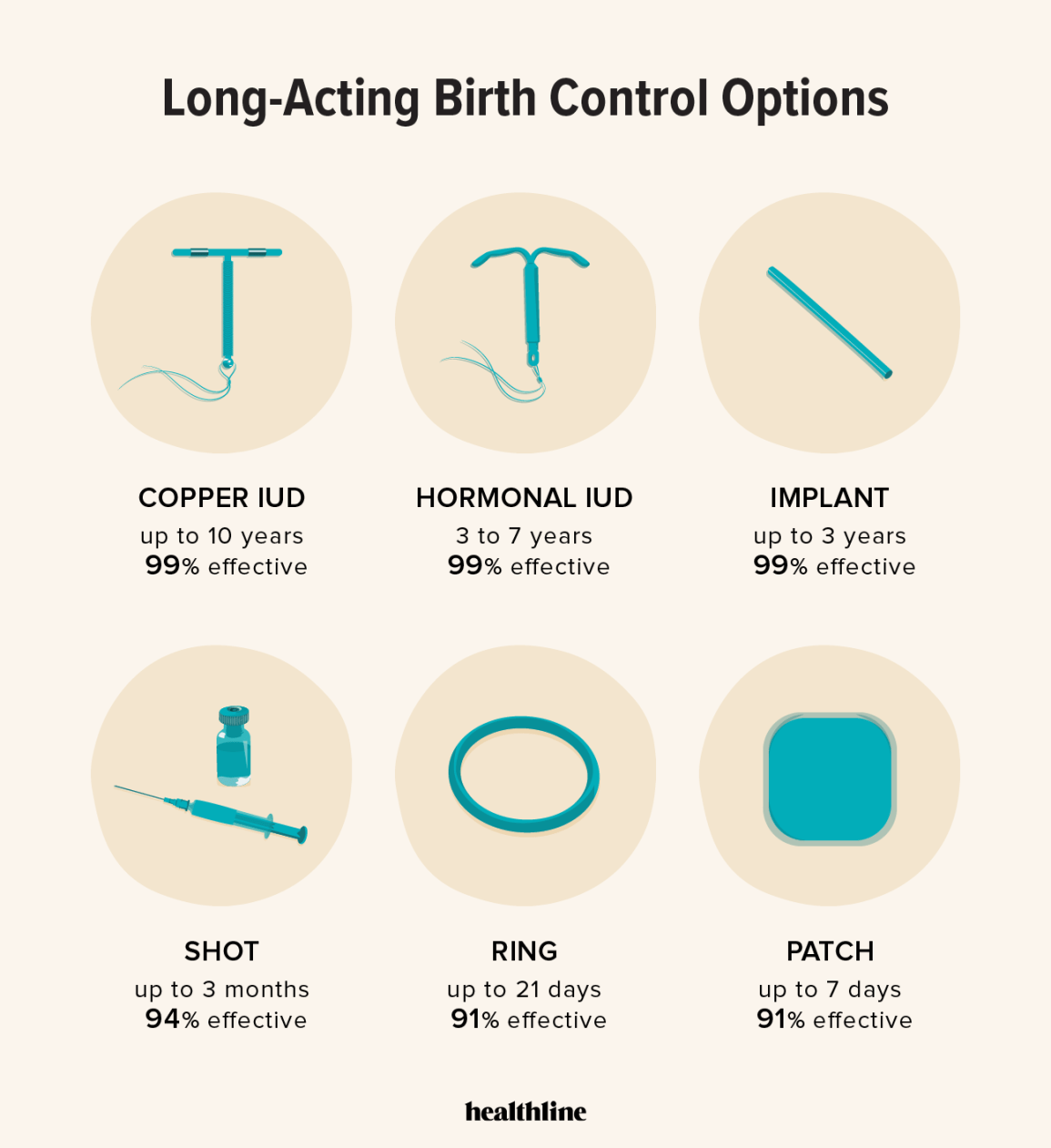
Intrauterine devices, or IUDs, are small, T-shaped devices inserted into the uterus to prevent pregnancy. There are two main types: hormonal IUDs and copper IUDs. Hormonal IUDs, like Mirena, Kyleena, Liletta, and Skyla, release progestin, a synthetic form of progesterone. This thickens cervical mucus, making it difficult for sperm to reach the egg, and can also thin the uterine lining.
The copper IUD, Paragard, doesn't contain hormones. Instead, it releases copper ions, which are toxic to sperm. According to the CDC, IUDs are over 99% effective at preventing pregnancy. That’s a pretty remarkable statistic. Insertion is typically done in a doctor's office and involves a little discomfort – many people describe it as cramping. Your doctor can offer pain management options like over-the-counter pain relievers or, in some cases, local anesthesia.
Potential side effects vary depending on the type of IUD. Hormonal IUDs can cause irregular bleeding, especially in the first few months, and may eventually lead to lighter or absent periods. Some people experience hormonal side effects like mood changes or acne, though these are generally less common with the newer, lower-dose hormonal IUDs. Copper IUDs may cause heavier, longer periods. More serious complications, like expulsion or perforation, are rare but possible.
The first few months with an IUD can take some getting used to. You might experience cramping or spotting. It’s important to follow up with your doctor if you have any concerns. IUDs are designed to last for several years – Mirena lasts up to 8 years, Kyleena up to 5, Liletta up to 8, Skyla up to 3, and Paragard up to 10 or even 12 years, depending on individual factors.
The cost of an IUD varies, but you can generally expect to pay between $300 and $1,000 for the device itself, plus the cost of the insertion appointment. This is before insurance, and thankfully, the Affordable Care Act generally requires most insurance plans to cover contraception without cost-sharing.
The implant
Nexplanon is a small, flexible plastic rod inserted under the skin of your upper arm. It releases progestin, similar to hormonal IUDs, to prevent pregnancy. The CDC reports that Nexplanon is over 99% effective, making it one of the most reliable forms of birth control available. Insertion is a quick in-office procedure that requires a small incision, and removal is just as straightforward.
Irregular bleeding is the most common side effect of Nexplanon, with periods potentially becoming unpredictable in frequency, duration, or flow. Some users stop menstruating entirely, while others experience frequent spotting. Other possible side effects like mood changes, weight gain, and headaches are usually mild and temporary.
Nexplanon is a great option for people who want a highly effective, hassle-free method of contraception. However, it’s not for everyone. If you have a history of blood clots, liver disease, or certain types of breast cancer, Nexplanon may not be suitable for you. The cost of Nexplanon is typically between $300 and $1,300 for the implant itself, plus the cost of insertion and removal. Again, insurance coverage varies.
The shot
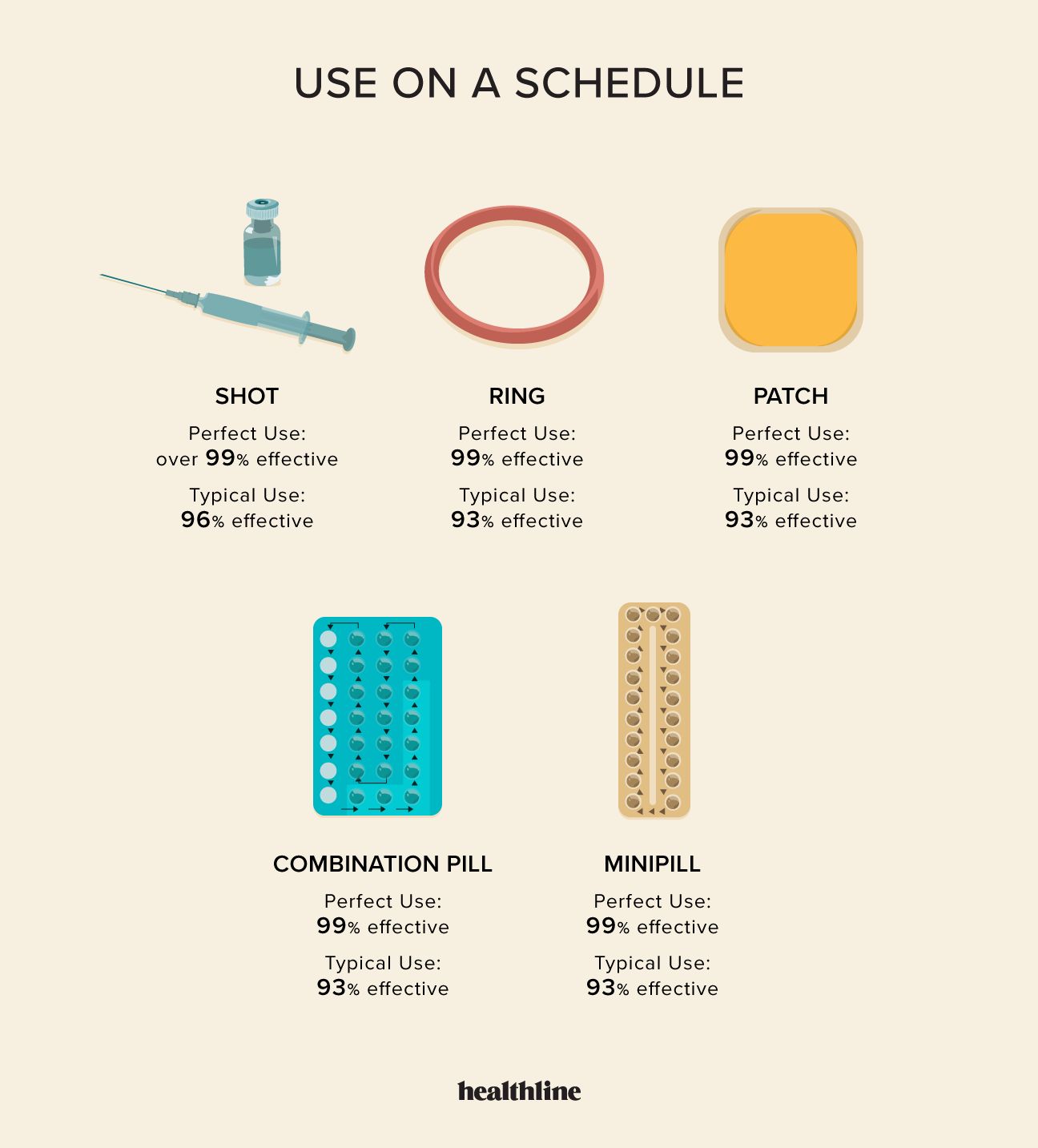
Depo-Provera is an injection of progestin given every three months. It works by preventing ovulation and thickening cervical mucus. The CDC states that Depo-Provera is 94% effective with typical use, meaning that taking into account missed shots, it's slightly less reliable than IUDs or the implant. It’s important to be diligent about scheduling your injections on time to maintain its effectiveness.
Potential side effects of Depo-Provera include irregular bleeding, weight gain, and bone density loss. The FDA advises limiting use to two years due to bone density concerns. While bone density often recovers after discontinuing the shot, discuss this risk with your doctor, particularly if you have osteoporosis risk factors. Fertility may take up to a year to return after stopping Depo-Provera.
Depo-Provera costs around $0-$150 per shot, but this can vary depending on your insurance and location. The need for consistent follow-up for injections is a major factor to consider. If you're someone who tends to forget appointments, this might not be the best method for you.
Long-Acting Reversible Contraception (LARC) Comparison - 2026
| Method | Effectiveness | Hormonal Impact | Reversibility | Considerations |
|---|---|---|---|---|
| IUD (Hormonal) | Highly Effective | Progestin releasing – can affect cycle | Quickly reversible upon removal | May reduce period flow; potential for irregular bleeding initially. |
| IUD (Copper) | Highly Effective | Non-hormonal | Quickly reversible upon removal | May cause heavier, longer periods and more cramping. |
| Implant | Highly Effective | Progestin releasing | Quickly reversible upon removal, requires a trained provider | Can cause unpredictable bleeding patterns; may affect mood. |
| Injection (The Shot) | Very Effective | Progestin releasing | Reversibility depends on return of fertility after stopping; can take several months | Requires scheduled injections; potential for weight gain and irregular bleeding. |
Qualitative comparison based on the article research brief. Confirm current product details in the official docs before making implementation choices.
Permanent sterilization
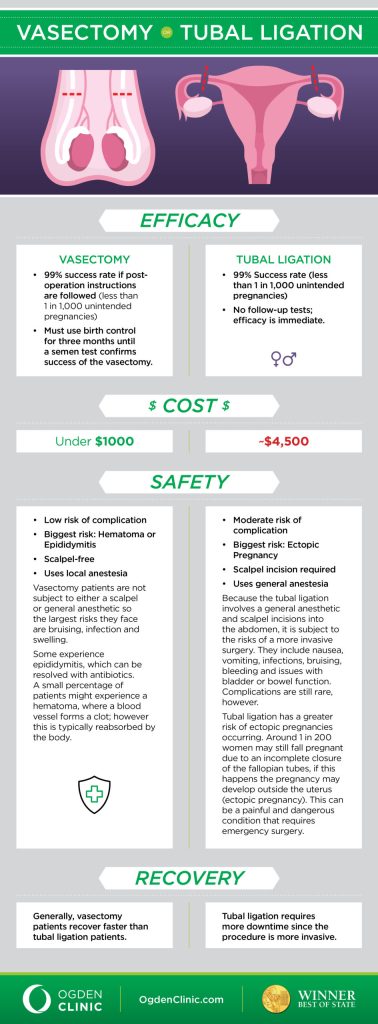
Sterilization is a permanent form of birth control. For people with a uterus, this typically involves tubal ligation, commonly known as 'getting your tubes tied.' For people with testicles, the procedure is called a vasectomy. Both procedures are highly effective – over 99% – at preventing pregnancy. They should only be considered if you are absolutely certain you do not want to have children in the future.
Tubal ligation involves blocking or removing the fallopian tubes, preventing the egg from traveling to the uterus. It’s usually performed laparoscopically, meaning through small incisions. Vasectomy involves cutting or blocking the vas deferens, preventing sperm from being released in semen. It’s a simpler procedure than tubal ligation and can often be performed in a doctor’s office.
Recovery from both procedures is typically swift, though some pain and discomfort are possible. Thorough counseling is essential to understand the permanence of sterilization. While tubal reversals can be attempted, success is not guaranteed. Regret, though uncommon, can occur, so consider this possibility carefully.
The cost of sterilization varies depending on the procedure and your insurance coverage. Tubal ligation is typically more expensive than vasectomy, often ranging from $2,000 to $6,000. Vasectomy typically costs between $500 and $1,500.
Insurance and cost
The Affordable Care Act (ACA) mandates that most insurance plans cover preventive services, including contraception, without cost-sharing. This means that many LARC methods are available at no cost to you, though you may still have copays for the doctor's visit. However, coverage can vary depending on your insurance plan and employer.
If you don’t have insurance or your insurance doesn’t cover contraception, there are resources available to help. Planned Parenthood offers affordable contraception options, and many local health departments provide low-cost or free birth control services. You can also explore programs like the 340B Drug Pricing Program, which provides discounted medications to eligible patients.
Out-of-pocket costs for LARC methods can range from a few hundred to over a thousand dollars. It’s important to check with your insurance provider to understand your coverage and potential costs. Remember that these are estimates and can change, so it’s always best to get a clear understanding of your financial responsibility before proceeding.
- Planned Parenthood: Offers affordable contraception options.
- Local Health Departments: Many provide low-cost or free birth control services.
Long-Acting Contraceptive Options
- IUDs (Hormonal) - These small, T-shaped devices are inserted into the uterus and release progestin, thickening cervical mucus and sometimes suppressing ovulation. They are effective for 3-8 years, depending on the brand.
- IUDs (Copper) - Also inserted into the uterus, copper IUDs don’t contain hormones. They prevent pregnancy by creating an inflammatory response toxic to sperm. Effective for up to 10 years.
- Contraceptive Implant - A small rod inserted under the skin of the upper arm, releasing progestin. It's over 99% effective and lasts for up to 3 years.
- Contraceptive Injection (Depo-Provera) - A progestin injection given every three months. It’s highly effective but requires regular visits to a healthcare provider.
- Sterilization (Tubal Ligation) - A surgical procedure for individuals with uteruses, involving blocking or removing the fallopian tubes. Generally considered permanent.
- Vasectomy - A surgical procedure for individuals with testicles, involving cutting or blocking the vas deferens. Generally considered permanent.
- Resources for Affordable Options - Planned Parenthood offers a wide range of contraceptive options and financial assistance. Visit their website for more information.
- Additional Support - Bedsider.org provides comprehensive information on birth control methods, including costs and access. Your local health department can also offer low-cost or free services. The Affordable Care Act (ACA) generally requires most insurance plans to cover contraception without cost-sharing.
Talking to your doctor
Having an open and honest conversation with your healthcare provider is essential when choosing a long-term contraception method. Don’t be afraid to ask questions and express your concerns. It’s your body, and you deserve to feel comfortable and confident in your decision.
Here are a few questions you might want to ask: What are the potential side effects of each method? How long does the method last? What is the insertion/removal process like? What are the costs involved? Are there any risks or complications I should be aware of? Don't hesitate to ask your doctor to explain anything you don't understand.
It’s also important to find a doctor who respects your choices and provides unbiased information. If you feel like your doctor is not listening to your concerns or is trying to push you towards a particular method, consider seeking a second opinion. Your reproductive health is too important to compromise.
Comfort & Care: Essential Items for Your Childfree Journey

Provides up to 8 hours of discreet, cord-free heat therapy · Portable and adhesive for on-the-go relief · Designed for menstrual cramps and backache
These portable heat wraps offer convenient and discreet relief from menstrual discomfort, allowing you to focus on your well-being.

Reusable period underwear that holds up to 12 regular tampons' worth of fluid · Leakproof, odor-controlling, and comfortable for everyday wear · A sustainable and reliable alternative for managing periods
Thinx underwear provides a comfortable and eco-friendly way to manage your period, offering peace of mind and reducing waste.

USDA Organic raspberry leaf herbal tea · Known to ease menstrual cramps · Supports healthy pregnancy (though not relevant for childfree choices, it's a known benefit of the herb)
This organic raspberry leaf tea is a gentle, natural option that may help alleviate menstrual cramps, contributing to overall comfort.

A simple and elegant journal for writing · Provides a space for reflection and personal thoughts · Gray, stitched temple design
A journal offers a private space to process your thoughts and feelings about your contraception choices and life goals.
Epsom salt soaking solution with lavender scent · Designed to soothe muscles and promote relaxation · Large 3lb size for multiple uses
Dr Teal's Epsom salt bath soak is perfect for unwinding and self-care, helping to ease any physical or emotional tension.
As an Amazon Associate I earn from qualifying purchases. Prices may vary.


No comments yet. Be the first to share your thoughts!