
Making the Choice: A Current Look
More and more people are openly discussing and actively seeking elective sterilization. It's not a new concept, of course, but the conversation feels different now. Recent political events and anxieties around reproductive rights, as reported by the New York Times in 2024, are undoubtedly contributing to this increased interest. People are taking a proactive approach to ensure they have control over their reproductive future.
This isn't a decision to be taken lightly. It requires careful consideration and a lot of self-reflection. We're seeing a rise in individuals, particularly young adults, viewing permanent sterilization as a responsible step when they are certain about their desire to live a childfree life. It’s about aligning your body with your convictions.
Choosing sterilization is deeply personal. It's about more than just preventing pregnancy; it’s about autonomy and future planning. Access to accurate information is absolutely vital. This guide covers the details of both tubal ligation and vasectomy, including costs, recovery, and what to expect.
The goal is to empower you with the knowledge needed to make an informed decision. This guide provides a clear, honest look at your options, recognizing that choosing to be childfree is a valid life path.
Tubal Ligation: The Procedure & What to Expect
Tubal ligation, often called "getting your tubes tied,’ involves blocking or removing the fallopian tubes, preventing eggs from traveling to the uterus. There are several methods used, and the best one will depend on your individual circumstances and your surgeon"s preference. Common techniques include banding (using a clip to close the tubes), clipping (applying a titanium clip), burning or cauterization, and resection (removing a section of the tubes).
Most tubal ligations are performed laparoscopically. This means a small incision is made, usually near the belly button, and a camera and surgical instruments are inserted to access the fallopian tubes. Sometimes, particularly after a Cesarean section, the procedure can be done through the existing incision. Anesthesia options range from local with sedation to general anesthesia, and your doctor will discuss the best choice for you.
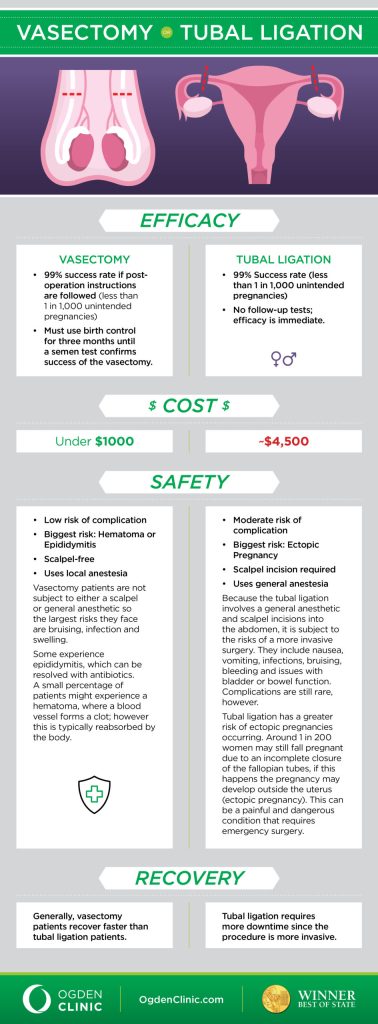
Recovery from tubal ligation typically involves some pain and discomfort for the first few days. You can expect cramping and soreness at the incision site. Most people can return to light activity within a week, but strenuous exercise should be avoided for several weeks. Potential complications, while rare, include infection, bleeding, and – very rarely – ectopic pregnancy. The risk of ectopic pregnancy is significantly reduced, but not eliminated, by tubal ligation.
Pain management usually involves over-the-counter pain relievers like ibuprofen or acetaminophen. Your doctor may prescribe stronger pain medication if needed. It’s important to follow your doctor’s post-operative instructions carefully to minimize the risk of complications. Expect some spotting or light bleeding for a few days or weeks after the procedure.
It’s worth noting that while tubal ligation is considered highly effective, it isn’t 100% foolproof. There's a very small chance of failure, which is why it's important to discuss contraception options with your doctor even after the procedure. Your doctor should discuss these risks with you in detail before you proceed.
Vasectomy: A Simpler Path?
A vasectomy is often presented as a simpler procedure than tubal ligation, and in many ways, it is. It involves cutting or blocking the vas deferens, the tubes that carry sperm from the testicles. The most common technique is the "no-scalpel" vasectomy, which uses a small clamp to locate the vas deferens and then makes a tiny puncture to access it. This minimizes bleeding and discomfort.
Recovery from a vasectomy is generally quicker and less painful than recovery from tubal ligation. Most men can return to light activity within a few days, and strenuous exercise can usually be resumed within a week or two. Pain management typically involves ice packs and over-the-counter pain relievers. You’ll be advised to wear supportive underwear for a few days.
Sexual activity can usually be resumed after about a week, but it’s important to use contraception until a semen analysis confirms that no sperm are present. This typically takes around three months and requires multiple tests. A common concern is post-vasectomy pain syndrome (PVPS), which involves chronic pain in the testicles. While it’s relatively uncommon, it’s important to be aware of the possibility.
Compared to tubal ligation, a vasectomy generally has a lower risk of complications. However, potential risks include bleeding, infection, and sperm granuloma (a small lump that can form near the vas deferens). Like tubal ligation, a vasectomy is considered highly effective, but not 100% foolproof. Regular follow-up semen analysis is crucial to confirm its success.
Cost Breakdown: 2026 Estimates
Sterilization procedure costs vary significantly by location, insurance coverage, and provider. For 2026, a tubal ligation can range from $2,000 to $6,000 or more. A vasectomy is generally less expensive, typically costing between $500 and $3,000.
These figures include the procedure itself but may not cover anesthesia, facility fees, or follow-up appointments. Anesthesia can add $300 to $1,000, while facility fees can range from $500 to $2,000, depending on the location (hospital or outpatient center).
Insurance coverage can significantly reduce out-of-pocket costs. The Affordable Care Act (ACA) generally requires insurance plans to cover sterilization procedures without cost-sharing, though coverage can vary. Check with your insurance provider to understand your specific benefits.
If you lack insurance or have limited coverage, options exist. Low-income clinics and Planned Parenthood often offer sterilization at reduced rates. Some providers offer payment plans or financial assistance programs. Ask about these options.
- Tubal Ligation (2026 Estimate): $2,000 - $6,000+
- Vasectomy (2026 Estimate): $500 - $3,000
- Anesthesia: $300 - $1,000
- Facility Fees: $500 - $2,000
Tubal Ligation vs. Vasectomy: A Comparison
| Factor | Tubal Ligation | Vasectomy |
|---|---|---|
| Cost | Generally Higher | Generally Lower |
| Invasiveness | More Invasive (typically laparoscopic surgery) | Minimally Invasive (small incision) |
| Recovery Time | Medium (several days to a week for initial recovery, several weeks for full recovery) | Low (typically a few days of rest, minimal discomfort) |
| Risk of Complications | Medium (risks associated with surgery and anesthesia) | Low (generally very safe, risks of infection or hematoma) |
| Reversibility | Possible, but complex and expensive. Success rates vary significantly (around 50-70% depending on the method used and individual factors). | Possible, generally more successful and less expensive than tubal reversal. Success rates are typically higher (around 50-90%). |
| Insurance Coverage | Often covered by insurance, but may require prior authorization or have cost-sharing requirements. | Often covered by insurance, and may have lower out-of-pocket costs than tubal ligation. |
| Procedure Setting | Typically performed in a hospital or surgical center. | Often performed in a doctor’s office or clinic. |
Illustrative comparison based on the article research brief. Verify current pricing, limits, and product details in the official docs before relying on it.
Reversibility: What Are Your Options?
While both tubal ligation and vasectomy are intended to be permanent, reversal is sometimes possible but not always successful or affordable. Tubal ligation reversal success rates depend on the original ligation method, fallopian tube length, and patient's age and health.
Tubal ligation reversal has a success rate of around 50-80% for achieving pregnancy. Vasectomy reversal success rates typically range from 75-90%, though success decreases with time since the vasectomy.
Reversal procedures are costly. Tubal ligation reversal can cost $8,000 to $20,000 or more, while vasectomy reversal can range from $5,000 to $15,000. These costs don't include potential fertility treatments.
Consider the emotional implications of reversal. It's a complex process with no guarantee of success. Have realistic expectations and be prepared for potential disappointment. Counseling is recommended before deciding on reversal.
Navigating Insurance & Financial Aid
Insurance coverage for sterilization is generally good, particularly under the Affordable Care Act (ACA). The ACA requires most plans to cover sterilization without cost-sharing (copays, deductibles), though exceptions and plan variations exist.
Check with your insurance provider to understand your benefits. Ask about coverage for the procedure, anesthesia, facility fees, and follow-up appointments. Inquire about pre-authorization requirements, as some plans need it before covering sterilization.
If you lack insurance or have limited coverage, resources are available. Planned Parenthood offers sterilization at reduced rates, and many state-funded programs provide financial assistance to low-income individuals. Charitable organizations also offer grants or loans for sterilization costs.
Finding financial assistance can be challenging but rewarding. Ask for help and explore all options. Resources like the National Family Planning & Reproductive Health Association can provide information about local financial assistance programs.
- Planned Parenthood: Offers reduced-cost sterilization services.
- State-Funded Programs: Many states offer financial assistance for reproductive health care.
- National Family Planning & Reproductive Health Association: Provides information about financial assistance programs.
Post-Sterilization Comfort Kit: Essential Recovery Essentials

Moisture-wicking · Breathable cotton · Comfortable fit
These breathable boxer briefs offer comfort and support during your recovery period.

Reusable hot and cold therapy · Supports recovery · Targets joint and muscle pain
An ice pack set is essential for managing any post-procedure swelling or discomfort.

Relieves joint and muscle pain · Reduces swelling from bruises or injury · Non-greasy and fragrance-free
This arnica gel provides soothing relief for muscle soreness and bruising.

Lightweight and breathable · Wide leg with pockets · UPF 50+ protection
These comfortable, loose-fitting track pants are perfect for lounging and easy movement during recovery.

Made with 99.9% purified water · XL textured wipes · Fragrance-free and gentle
Gentle cleansing wipes are helpful for maintaining hygiene and comfort during recovery.
As an Amazon Associate I earn from qualifying purchases. Prices may vary.
Finding a Provider: Questions to Ask
Finding a qualified, compassionate provider is important. Look for a doctor with extensive experience in the procedure you're considering, who will answer your questions thoroughly. Seek a second opinion if you're not comfortable with your first consultation.
During your consultation, ask about the doctor's experience, complication rates, and anesthesia options. Also, inquire about the recovery process, including pain, activity restrictions, and follow-up care. A good provider will be transparent about the procedure's risks and benefits.
Ask about the procedure cost and insurance acceptance. Get a detailed breakdown of all costs, including the procedure, anesthesia, facility fees, and follow-up appointments. Understand all financial implications before proceeding.
Choose a provider who respects your decision and offers unbiased information, supporting your autonomy and helping you make the best choice for your body and future. More information about sterilization process controls is available from the FDA:
- Experience: How many procedures have you performed?
- Complication Rates: What are your complication rates?
- Anesthesia Options: What anesthesia options are available?
- Recovery Expectations: What can I expect during recovery?
- Cost Breakdown: What is the total cost of the procedure?
Community Voices: Real Experiences
Online communities, like the Reddit forum r/childfree, offer a space for people to share sterilization experiences. These conversations can be valuable for those considering the procedure, providing support, a place to ask questions, and learning from others.
Many people report relief and empowerment after sterilization. One user shared, "It was the best decision I ever made. I finally feel in control of my body and my future." Others emphasize finding a supportive, understanding doctor.
However, not all experiences are positive. Some people report regret or emotional difficulties after sterilization. One user wrote, "I wish I had thought about it more before making a decision. It’s a permanent change, and it’s not something to take lightly."
These diverse perspectives highlight the importance of careful consideration and self-reflection. Sterilization is a deeply personal decision, and it’s crucial to weigh the risks and benefits carefully. Hearing from others who have gone through the process can provide valuable insights and help you make an informed choice.


No comments yet. Be the first to share your thoughts!