
Beyond the Pill: Why Long-Term Matters
If you're childfree, you've probably spent years on the birth control pill. It's a familiar routine, but many women eventually want to switch. The desire for a 'set it and forget it' method is common. You're prioritizing your life and freedom, which includes freedom from daily reminders.
Long-term reversible contraception (LARC) offers convenience, reduces user error, and can minimize hormone fluctuations compared to the daily pill. Some women switch due to side effects like mood swings or weight changes. This is about proactively building the life you want, with contraception that aligns with your long-term vision.
This guide explores effective, long-acting contraception options for women certain they don't want to carry a pregnancy to term. This information can help you have a confident conversation with your healthcare provider. Every body is different, so what works for one person may not be ideal for another. A medical evaluation is essential before making any decisions.
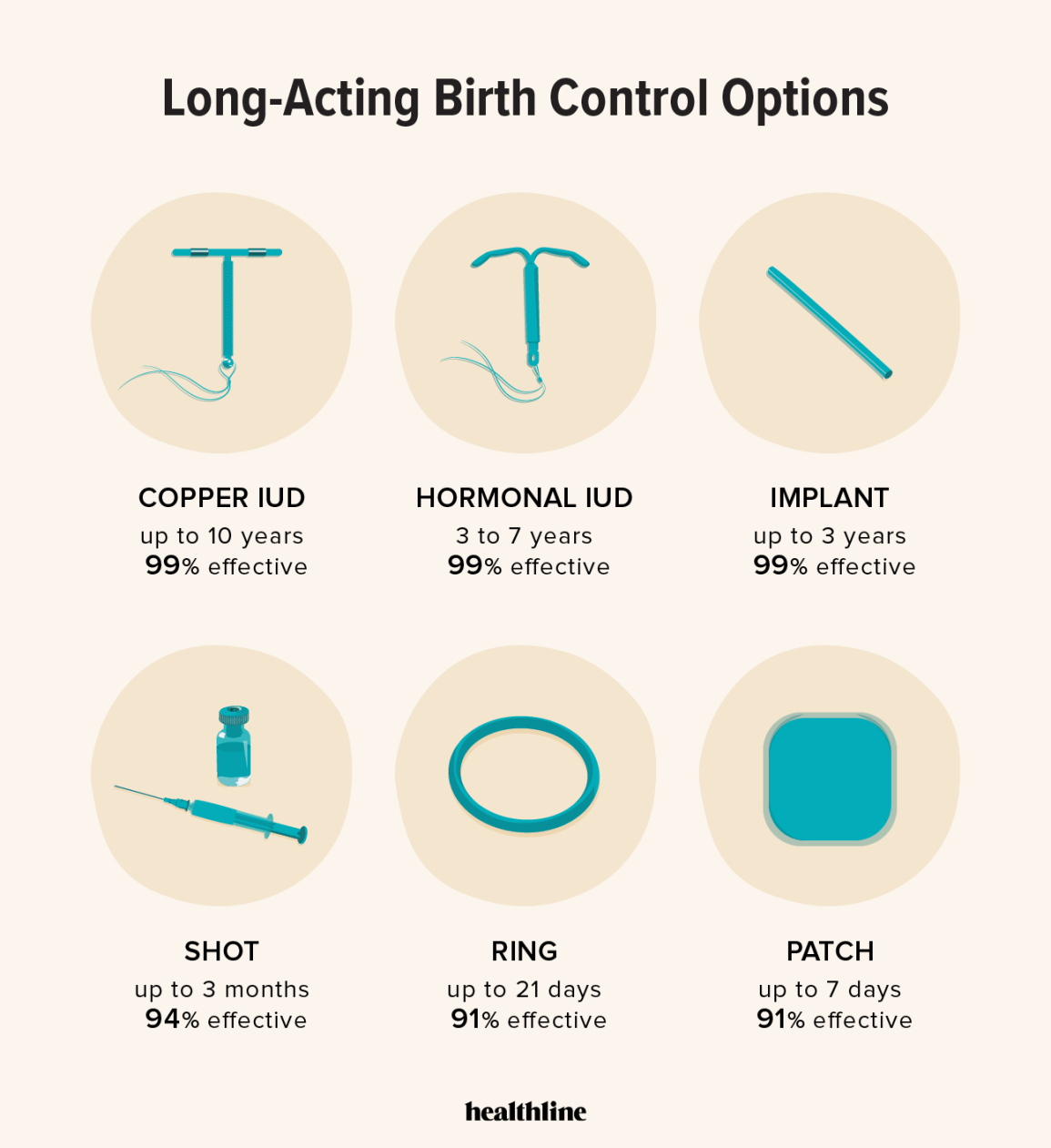
IUDs: The Copper & Hormonal Choices
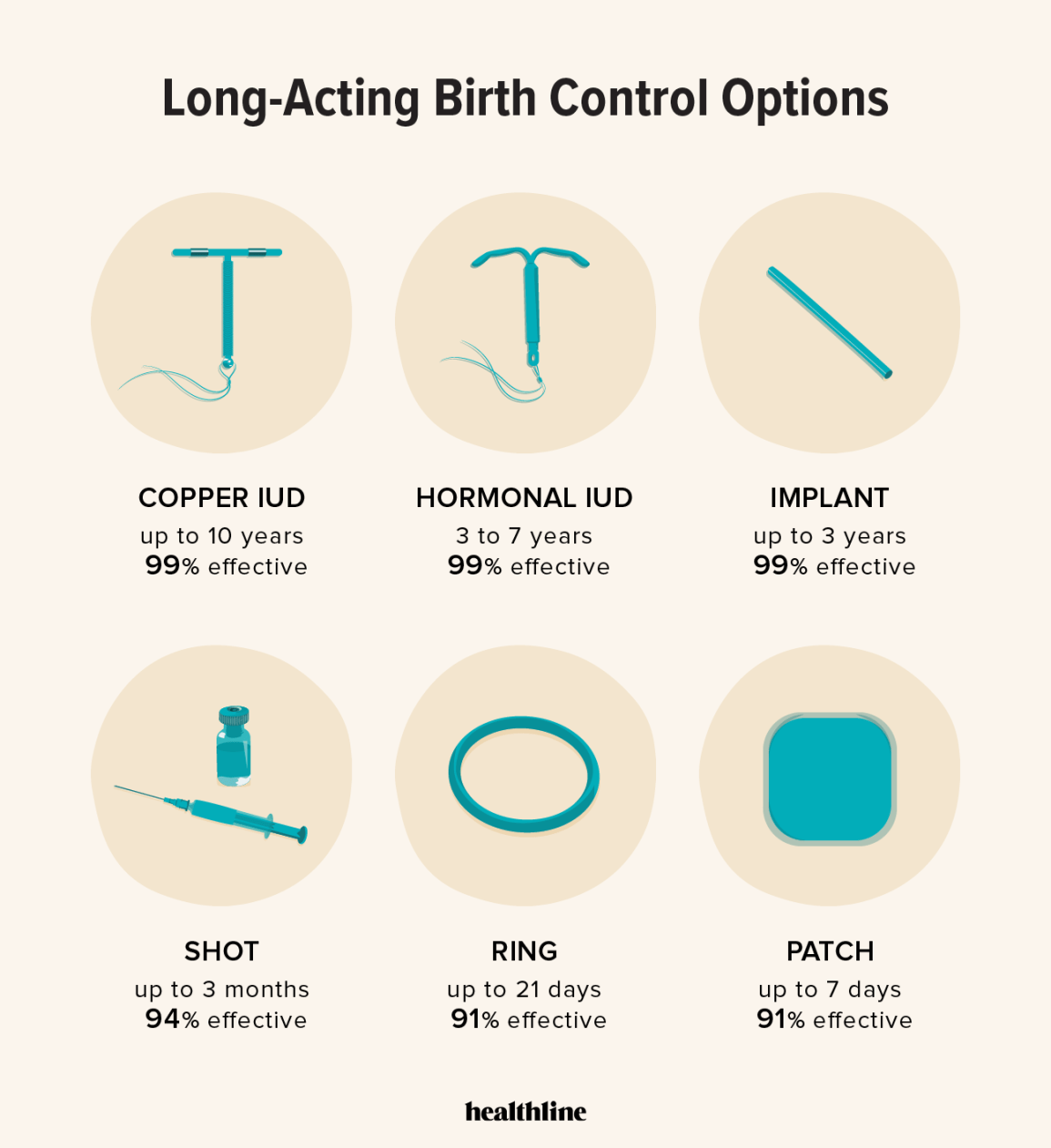
Intrauterine devices (IUDs) are small, T-shaped devices inserted into the uterus by a healthcare professional. They are one of the most effective forms of reversible contraception available, with over 99% efficacy according to the CDC. There are two main types: hormonal IUDs and non-hormonal (copper) IUDs, each working differently.
Hormonal IUDs, such as Mirena, Kyleena, Liletta, and Skyla, release a small amount of progestin. This hormone thickens cervical mucus, making it difficult for sperm to reach the egg, and can also thin the uterine lining. The amount of hormone released varies between brands, impacting effectiveness and potential side effects. Insertion can be uncomfortable, often described as cramping, but pain management options are available.
The Paragard IUD is hormone-free. It is wrapped in copper, which creates an inflammatory response in the uterus that is toxic to sperm and prevents fertilization. Because it doesn’t use hormones, it's a popular choice for women who prefer to avoid hormonal birth control. However, some women experience heavier and longer periods with the Paragard. The CDC reports typical use failure rates of less than 0.2% per year for both hormonal and copper IUDs.
Hormonal IUDs typically last between 3 and 8 years, depending on the brand. The Paragard IUD can remain in place for up to 10 years. When the IUD reaches the end of its lifespan, it needs to be removed and replaced if continued contraception is desired. Removal is a quick procedure performed in a doctor’s office.
- Mirena: Up to 8 years of effectiveness, releases the highest dose of progestin.
- Kyleena: Up to 5 years of effectiveness, lower progestin dose than Mirena.
- Liletta: Up to 8 years of effectiveness, similar progestin dose to Kyleena.
- Skyla: Up to 3 years of effectiveness, lowest progestin dose of the hormonal IUDs.
- Paragard: Up to 10 years of effectiveness, hormone-free copper IUD.
Implant: A Tiny Stick, Big Protection
Nexplanon is a small, flexible plastic rod about the size of a matchstick inserted under the skin of the upper arm by a healthcare professional. It releases a progestin hormone called etonogestrel, preventing pregnancy by thickening cervical mucus and suppressing ovulation.
The insertion process involves numbing the area, followed by insertion of the implant using a special applicator. You might feel a brief pinch or pressure. Common side effects include irregular bleeding, especially during the first six months, and changes in mood. Many users experience a complete cessation of periods over time. Its efficacy is high, with a failure rate of less than 0.05% per year according to the CDC.
Nexplanon provides contraception for up to three years. When it's time for a replacement, a healthcare provider will remove the old implant and insert a new one. A common misconception is that the implant causes weight gain; while some users experience weight changes, studies haven’t established a direct causal link.
The Shot: Depo-Provera Explained
Depo-Provera is an injectable contraceptive containing progestin. It is administered as an intramuscular injection every three months by a healthcare provider. The hormone prevents pregnancy by suppressing ovulation and thickening cervical mucus.
While effective—less than 0.05% failure rate with typical use—Depo-Provera has fallen out of favor with some due to potential side effects. These include irregular bleeding, weight gain, and potential bone density loss. The FDA recommends that Depo-Provera be used for no more than two years without an assessment of bone health due to the bone density concern.
Fertility can take several months, even up to a year, to return after stopping Depo-Provera injections. This delay is a significant consideration for anyone who might change their mind about wanting children. Depo-Provera doesn't protect against sexually transmitted infections.
Sterilization: Permanent Options
For women certain they never want to have children, sterilization offers a permanent solution. Tubal ligation, commonly known as "getting your tubes tied," involves surgically blocking or removing the fallopian tubes, preventing eggs from reaching the uterus. The procedure can be performed laparoscopically, through small incisions, or during a C-section.
Recovery from tubal ligation is typically quick, with most women returning to normal activities within a week. It’s generally considered irreversible, although tubal reversal surgery is sometimes possible but not always successful. This decision requires careful consideration and a discussion with your healthcare provider.
For male partners, vasectomy is a permanent sterilization option. It involves cutting or blocking the vas deferens, preventing sperm from being released during ejaculation. While this guide focuses on options for women, vasectomy is a highly effective and less invasive procedure that should be considered as part of a couple’s family planning discussion.
Comparing Methods: A Decision Matrix
Choosing the best contraception method is a personal decision. This comparison highlights key differences to help you evaluate your options. Cost estimates can vary depending on your insurance coverage and location.
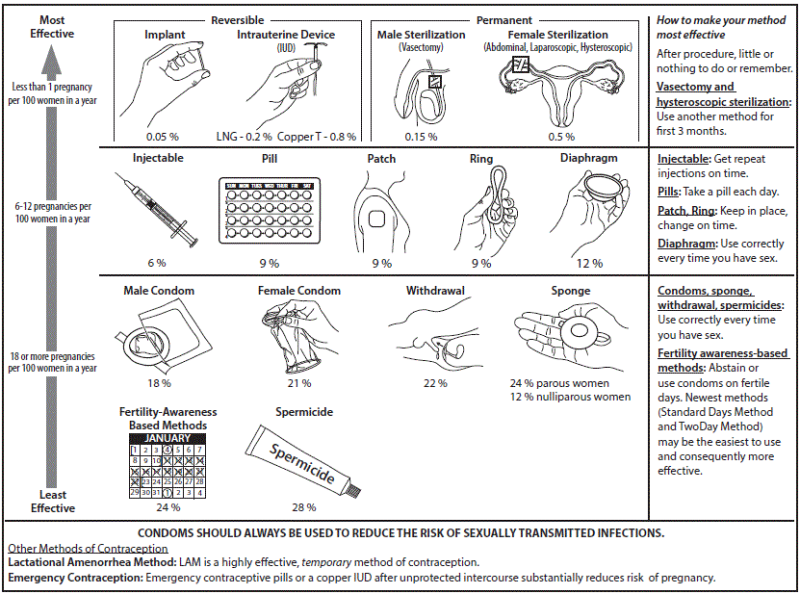
This is not about ranking methods, but about providing a clear overview of factors to consider. Your individual needs and preferences should guide your choice. For example, someone prioritizing hormone-free options will lean towards the Paragard IUD, while someone seeking minimal disruption might prefer Nexplanon.
- IUDs (Hormonal): Efficacy: >99%, Cost: $0-$1300 (including insertion), Reversibility: Yes, Ease of Use: Very easy (set and forget), Hormonal: Yes, Menstrual Impact: Lighter/shorter periods or no periods.
- IUDs (Copper): Efficacy: >99%, Cost: $0-$1300 (including insertion), Reversibility: Yes, Ease of Use: Very easy, Hormonal: No, Menstrual Impact: Heavier/longer periods.
- Implant (Nexplanon): Efficacy: >99%, Cost: $0-$1300 (including insertion), Reversibility: Yes, Ease of Use: Very easy, Hormonal: Yes, Menstrual Impact: Irregular bleeding.
- Shot (Depo-Provera): Efficacy: >99%, Cost: $0-$75 per shot, Reversibility: Yes (delayed return to fertility), Ease of Use: Requires scheduled injections, Hormonal: Yes, Menstrual Impact: Irregular bleeding or no periods.
- Sterilization (Tubal Ligation): Efficacy: >99%, Cost: $0-$6000, Reversibility: Generally irreversible, Ease of Use: Permanent, Hormonal: No, Menstrual Impact: Typically no change.
Long-Acting Reversible Contraception (LARC) & Permanent Options for Childfree Women - 2026
| Method Name | Efficacy | Cost | Hormonal/Non-Hormonal | Reversibility |
|---|---|---|---|---|
| IUD (Hormonal - Levonorgestrel) | Highly effective – over 99% | Initial cost can range; includes device and insertion fee. Costs vary by provider and insurance coverage. | Hormonal – releases progestin | Reversible with removal by a healthcare provider. |
| IUD (Non-Hormonal - Copper) | Highly effective – over 99% | Initial cost can range; includes device and insertion fee. Costs vary by provider and insurance coverage. | Non-Hormonal | Reversible with removal by a healthcare provider. |
| Implant | Highly effective – over 99% | Initial cost includes device and insertion; costs vary by provider and insurance coverage. | Hormonal – releases progestin | Reversible with removal by a healthcare provider. |
| Contraceptive Injection (Shot - Depo-Provera) | Highly effective – over 99% with typical use, but requires adherence to schedule. | Generally affordable, costs vary by provider and insurance coverage. Requires ongoing injections. | Hormonal – contains progestin | Reversibility decreases with prolonged use; return to fertility can be delayed. |
| Tubal Ligation (Sterilization – Female) | Highly effective – over 99% | Cost varies significantly depending on insurance coverage and whether performed during another surgery (e.g., C-section). | Non-Hormonal | Generally considered permanent, although reversal is sometimes possible but not always successful. |
| Vasectomy (Sterilization – Male) | Highly effective – over 99% | Generally less expensive than tubal ligation, costs vary by provider and insurance coverage. | Non-Hormonal | Generally considered permanent, although reversal is sometimes possible but not always successful. |
Illustrative comparison based on the article research brief. Verify current pricing, limits, and product details in the official docs before relying on it.
Real Talk: Cost and Access in 2026
undefined cumulative cost adds up over time. Sterilization costs depend on the type of procedure and facility.
Insurance coverage for contraception has improved in recent years due to the Affordable Care Act, but access can still be a barrier for some. Planned Parenthood and Title X clinics offer affordable or free contraception services to those who qualify. The future of reproductive healthcare access remains a topic of ongoing debate, so it’s important to stay informed about changes in your state.
Resources for finding affordable care include Planned Parenthood () and the National Family Planning & Reproductive Health Association ().
Post-Procedure Comfort: Essential Items for Your Long-Term Contraception Journey

Generous 24x12 inch size for broad coverage · Offers both dry and moist heat options · Features an auto shut-off for safety
This heating pad provides targeted warmth to alleviate discomfort that may arise from certain long-term contraception methods.
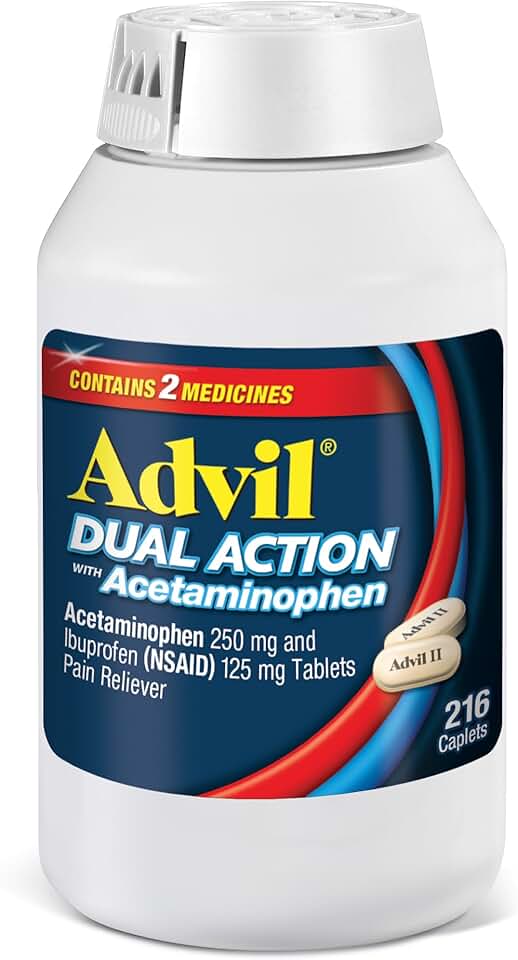
Combines Ibuprofen and Acetaminophen for dual-action pain relief · Provides up to 8 hours of continuous relief · Coated caplets for easier swallowing
Advil Dual Action offers effective relief from potential cramping or discomfort associated with hormonal or procedural contraception.

High-waisted, seamless design for a smooth silhouette · Comfortable and breathable fabric · Available in multi-packs for convenience
These seamless briefs offer everyday comfort and a smooth appearance, ensuring discretion under any clothing while you manage your chosen contraception.

Designed to absorb the equivalent of up to 12 regular tampons · Reusable and eco-friendly alternative · Comfortable brief style for reliable protection
Thinx period underwear provides a sustainable and highly absorbent solution for managing menstrual flow, offering peace of mind alongside long-term contraception.
As an Amazon Associate I earn from qualifying purchases. Prices may vary.
Community Voices: What Others Are Choosing
“I was on the pill for 15 years and hated remembering to take it every day. Switching to the hormonal IUD was a game changer – I don’t even think about it, and my periods are so much lighter.” – Reddit user, r/childfree
“I chose the copper IUD because I wanted a hormone-free option. The periods were definitely heavier at first, but I adjusted, and I love knowing I have a highly effective method that doesn’t mess with my hormones.” – Forum post on a childfree support group.
“Nexplanon was perfect for me. I didn’t want to deal with remembering pills or getting regular shots, and the insertion was quick and easy. The irregular bleeding was a bit annoying at first, but it settled down after a few months.” – Facebook group member, Childfree Women Unite.
No comments yet. Be the first to share your thoughts!