
Beyond Diapers: Reframing Financial Goals
Most financial advice assumes you have children. It focuses on college savings, life insurance for dependents, and budgeting for childcare. For those choosing a childfree life, this advice often misses the mark.
Choosing a childfree life means significant financial flexibility. The most apparent benefit is the absence of childcare expenses, freeing up substantial resources that can be directed towards accelerated savings, earlier investments, and achieving financial independence sooner.
Societal expectations often push a specific life path: marriage, homeownership, children, then retirement. Deviating from this can lead to feeling 'behind' or that your financial goals are less important. However, a fulfilling life means defining your own priorities and building a plan that reflects your values. Your starting point is different, and that's valid.
The Childfree Wealth Advantage
The financial advantages of being childfree are considerable. The USDA estimated the cost of raising a child to age 18 in 2022 at over $328,000, excluding college expenses. By 2025, this figure is projected to surpass $350,000. This substantial sum can be redirected to other financial objectives.
What does that $350,000 actually cover? A large portion goes towards housing – needing a bigger home, a different neighborhood with better schools. Then there’s food, healthcare (which is consistently rising in cost), childcare, clothing, and a seemingly endless stream of activities. These aren’t just one-time expenses; they’re ongoing commitments for nearly two decades.
Investing that $350,000 instead offers significant growth. For example, investing $15,000 annually (about $1,250 monthly) in a diversified portfolio earning an average 7% annual return could grow to over $450,000 in 18 years, demonstrating the power of compounding and increased disposable income.
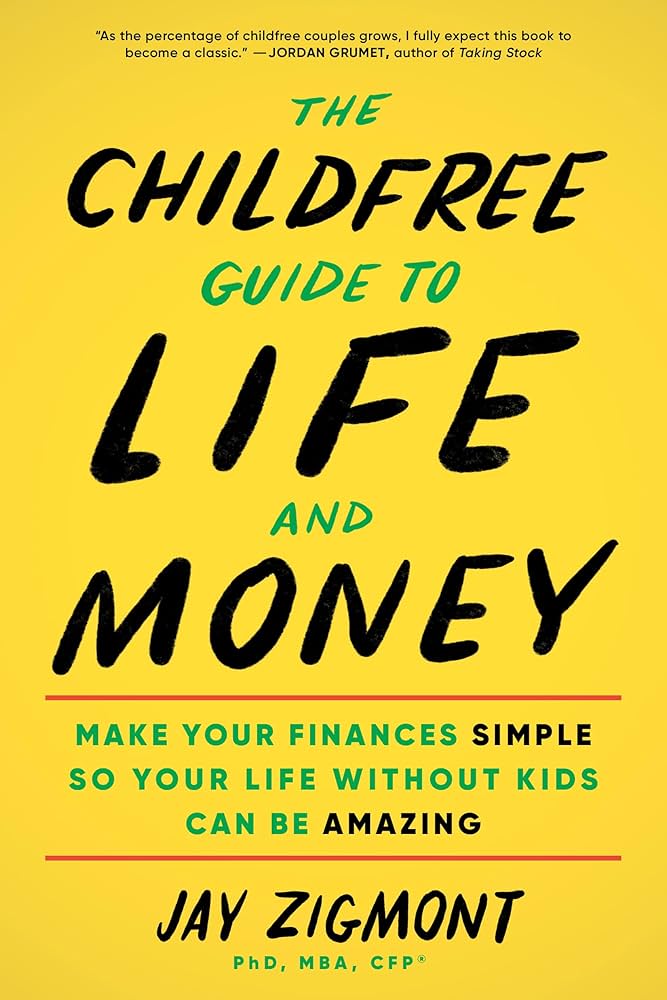
Dr. Jay Zigmont, founder of Childfree Wealth, highlights the financial freedom available to childfree individuals and the need for proactive planning. His book and podcast, Childfree Insights, offer further details, and his website provides resources like financial checkups and planning services.
Instead of spending $15,000 annually on childcare, consider investing in a low-cost index fund like the Vanguard Total Stock Market Index Fund (VTSAX), accelerating mortgage payments to reduce interest, or investing in real estate for passive income and equity growth. The investment options are extensive.
Retirement Planning: A Different Timeline
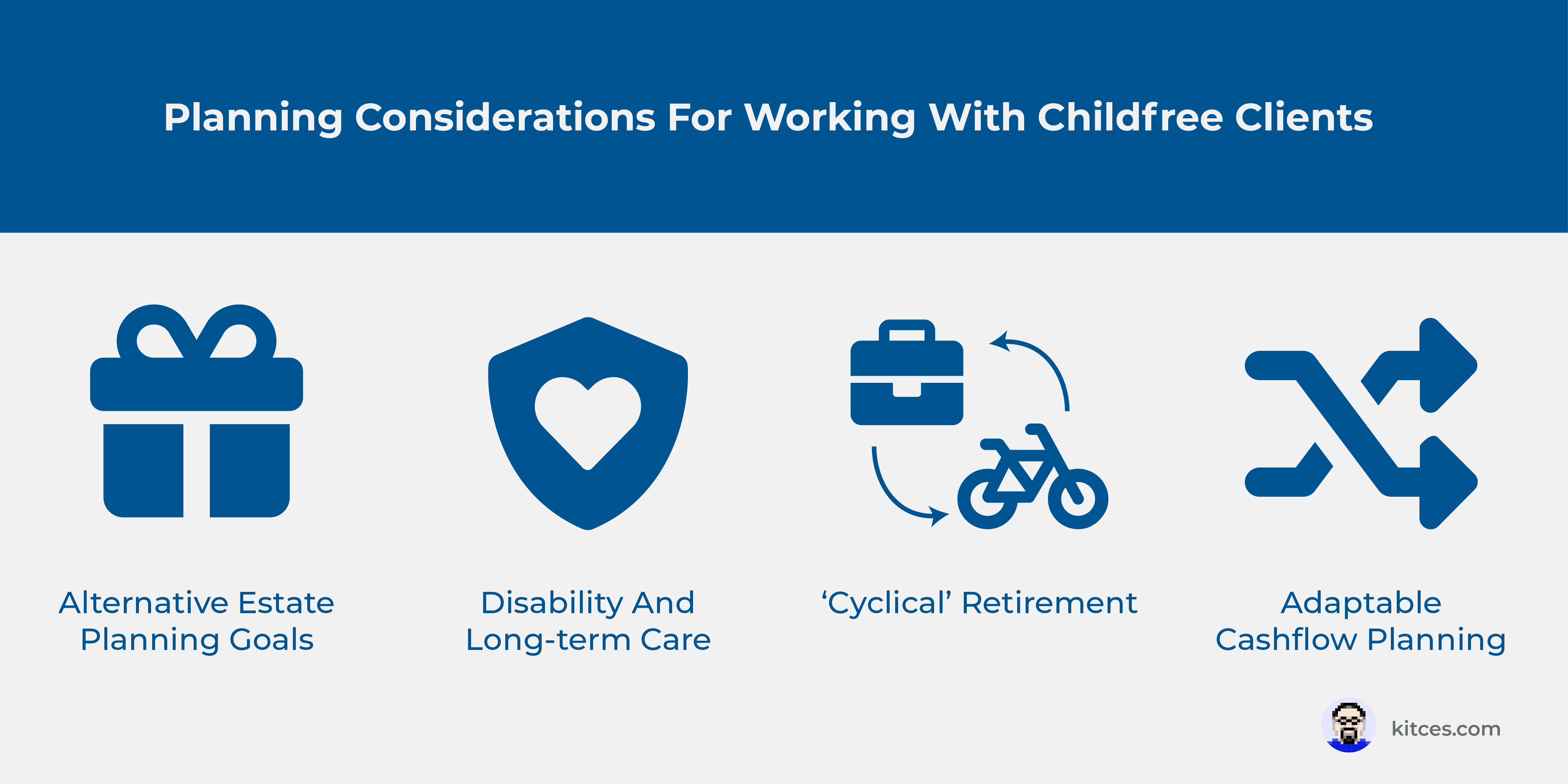
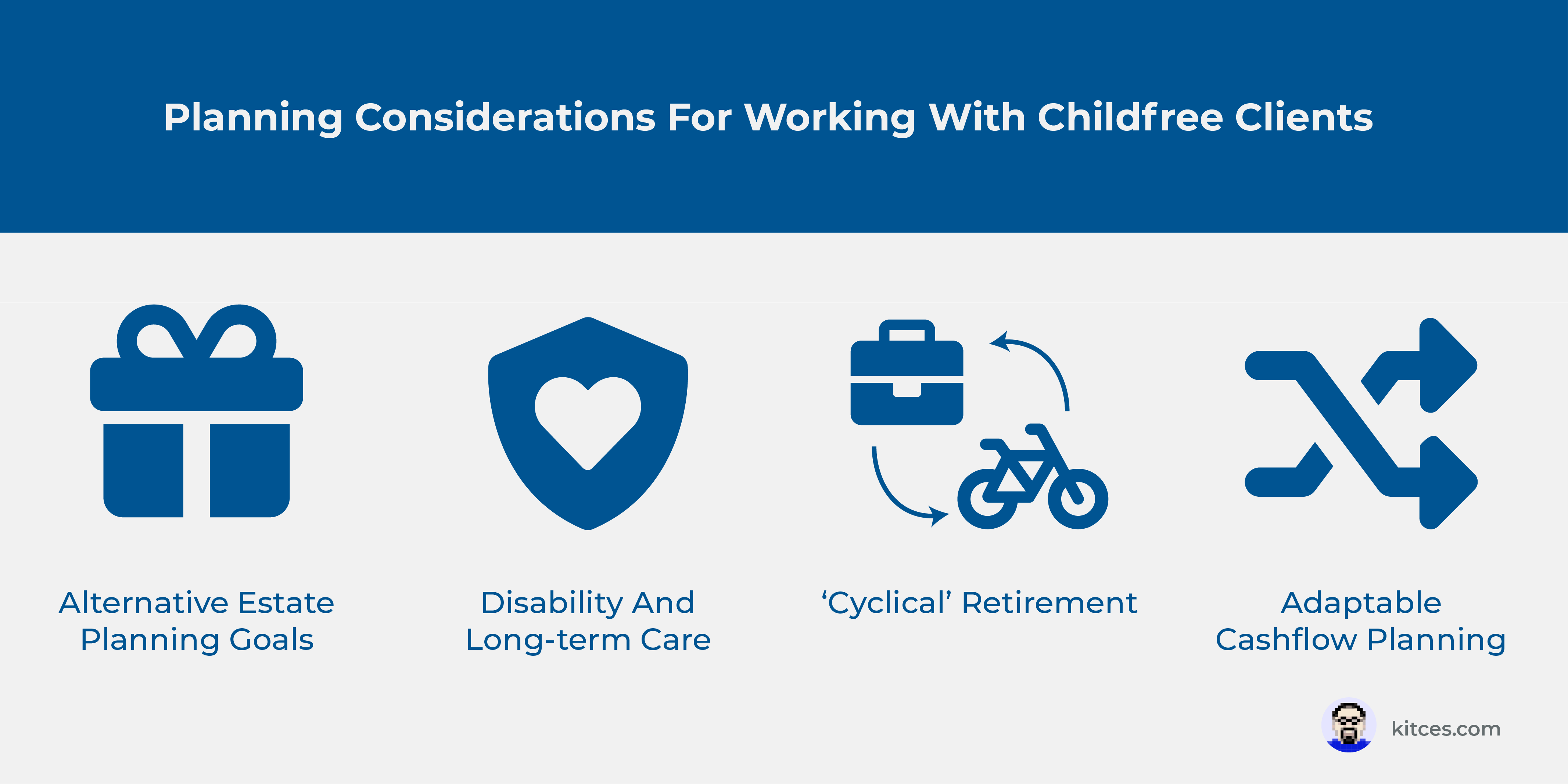
Traditional retirement planning typically follows a fixed timeline, often around age 65 or after children finish college. Childfree individuals, however, have a flexible timeline. Without children's milestones to consider, you can retire earlier, pursue passion projects, or enjoy life as you see fit.
This flexibility allows for exploring options like the FIRE (Financial Independence, Retire Early) movement, which emphasizes aggressive saving and investing to retire decades earlier. The financial savings from not having children can significantly speed up progress toward FIRE goals.
Early retirement presents challenges, especially with healthcare access before age 65. Researching options like the Affordable Care Act marketplace, health savings accounts (HSAs), and supplemental insurance is crucial. Long-term care insurance is also worth considering as the need for care increases with age.
Estate planning is particularly important for childfree individuals. Without children, you must carefully designate beneficiaries for your assets and appoint someone to manage your affairs if you become incapacitated. A comprehensive will, trust, and healthcare proxy are essential to ensure your wishes are followed and your legacy is managed according to your plan.
Investing for Experiences, Not College Funds
Without children, financial priorities shift away from college savings towards experiences that bring personal joy and fulfillment. This could include extensive travel, pursuing passion projects, starting a business, or dedicating resources to charitable causes.
Your investment strategy should match these goals. For a round-the-world trip, moderate risk tolerance in stocks and bonds can generate growth. Starting a business may require allocating funds for startup and operating costs. Philanthropic passions could lead to impact investing or establishing a charitable trust.
Travel hacking, utilizing credit card rewards and deals, is a popular strategy for childfree individuals to reduce travel costs and explore more. Investing in hobbies and personal development can enhance quality of life and purpose. Real estate offers another avenue for investment, providing income and appreciation.
Understanding your risk tolerance is essential. Invest only in what you comprehend and diversify your portfolio to mitigate risk. The aim is a financial plan that supports a fulfilling life now, not solely saving for an uncertain future.
- Stocks: Offer potential for high growth, but also carry higher risk.
- Bonds: Generally considered less risky than stocks, providing a more stable income stream.
- Real Estate: Can generate passive income and appreciate in value over time.
- Alternative Investments: (e.g., cryptocurrency, art, collectibles) – Higher risk, potential for high reward.
Travel Hacking Resources
- The Points Guy - A comprehensive website covering credit card rewards, airline miles, and hotel points, offering guides and news for maximizing travel benefits.
- Nomadic Matt - A popular travel blog with detailed guides on budget travel, including strategies for utilizing travel rewards and finding affordable flights.
- Chase Sapphire Preferred Card - A credit card known for earning Chase Ultimate Rewards points, which can be transferred to various airline and hotel partners.
- Capital One Venture Rewards Credit Card - Offers a simple rewards structure with miles that can be redeemed for travel or transferred to airline partners.
- American Express Membership Rewards - A flexible points program offering transfers to numerous airline and hotel loyalty programs.
- Scott's Cheap Flights (now Going) - A subscription service that alerts users to deeply discounted airfare deals.
- AwardWallet - A free service to track your loyalty program balances (airline miles, hotel points, etc.) in one place.
- Doctor of Credit - A website focused on credit card deals, promotions, and maximizing rewards, with a strong community forum.
Estate Planning: Beyond Inheritance
Many childfree individuals mistakenly believe estate planning is unnecessary. This is incorrect. While you may not be leaving an inheritance to children, you must plan for asset distribution, healthcare directives, and designate someone to make decisions if you become incapacitated.
A will is the foundation of an estate plan, specifying asset distribution after death.
Charitable giving is a common estate planning strategy for childfree individuals. You can leave a portion of your estate to a charity or set up a charitable trust to support causes you care about. Don’t forget to plan for your pets! Designate a caregiver and provide financial resources to ensure they are well cared for in your absence.
Clearly documenting your wishes is crucial. This includes not only your financial and medical directives but also your personal preferences and values. Having a comprehensive estate plan in place provides peace of mind, knowing that your affairs are in order and your wishes will be respected. Childfree Wealth offers comprehensive resources on this topic.
- Will: Distributes your assets after death.
- Trust: Provides more control over asset distribution.
- Healthcare Proxy: Designates someone to make medical decisions.
- Power of Attorney: Grants someone financial authority.
Navigating 'What If' Scenarios
It’s natural to have anxieties and "what if’ scenarios, even when you’ve made a deliberate choice to remain childfree. What if you change your mind about having children later in life? What if you need care in old age and don"t have family to rely on? What if you experience a financial crisis?
If you’re concerned about changing your mind, explore options like egg freezing or adoption. However, it’s important to be realistic about the costs and challenges involved. To prepare for potential care needs in old age, consider long-term care insurance or building a strong network of friends and community members.
An emergency fund is essential for weathering financial storms. Aim to have 3-6 months of living expenses saved in a readily accessible account. Building a diverse income stream can also provide financial security. This could include side hustles, rental income, or passive investments.
Acknowledging that life is unpredictable and planning for the unexpected is crucial. Having a solid financial plan, a strong support network, and a proactive mindset will help you navigate whatever challenges come your way.
Childfree? You can maximize your wealth and live early, or as Jay Zigmont puts it, you can live the File Method!
— Tamarind Partners (@TamarindPartner) April 24, 2026
Check out the rest of Dr. Kirby Rosplock's conversation with Jay on childfree financial planning today! https://t.co/mx98l8Q7eT #childfree #financialliteracymonth pic.twitter.com/iSM79KYC9g
Community & Support: Finding Your Tribe
Financial planning isn’t just about numbers; it’s about aligning your finances with your values and lifestyle. Finding a supportive community of like-minded individuals can be incredibly valuable, especially when you're navigating life as a childfree person. It's about connecting with others who understand your choices and share your priorities.
Online forums and social media groups dedicated to the childfree lifestyle provide a space to connect with others, share experiences, and ask questions. Local meetups can offer opportunities for in-person connection and community building. There are many resources available to help you find your tribe.
The emotional benefits of having a strong support network are significant. It can provide a sense of belonging, reduce feelings of isolation, and offer encouragement and guidance. Surrounding yourself with people who understand and support your choices can enhance your overall well-being.


No comments yet. Be the first to share your thoughts!