
Permanent Options: A Current View
Choosing permanent birth control is a deeply personal decision, and it’s one that deserves careful consideration. It’s understandable to feel a mix of emotions – relief, empowerment, and perhaps even a little apprehension. You are taking control of your reproductive future, and that is a powerful step.
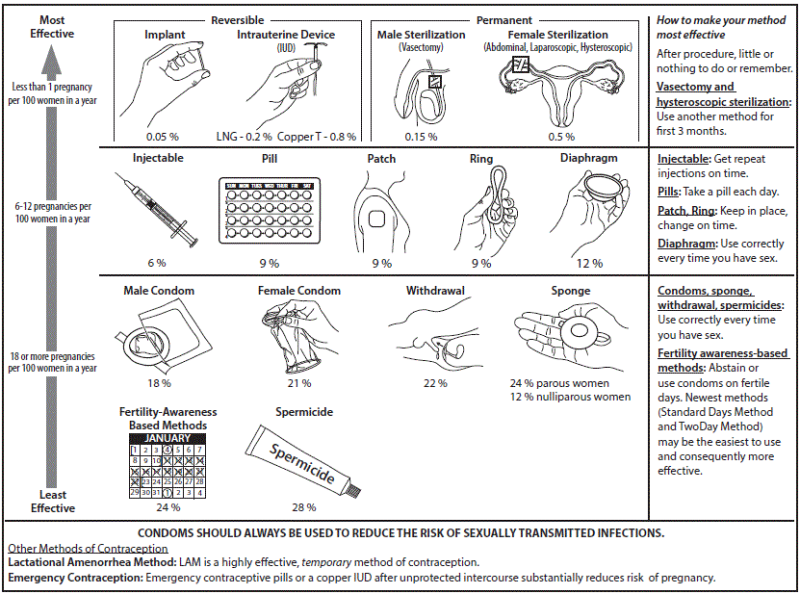
The range of sterilization procedures available today includes vasectomy for people with testicles, and several methods of tubal ligation for people with uteruses. Less common options exist, but we’ll cover those with a focus on their current status and associated risks. This guide aims to provide you with the most up-to-date information to make an informed choice.
A persistent myth surrounding sterilization is the idea of regret. While it’s natural to wonder "what if?", studies show that regret rates are relatively low, particularly among those who have thoroughly considered their decision. A 2014 study published in Human Reproduction found that regret rates were around 6% for women and even lower for men. Understanding your motivations and having realistic expectations are key.
Access to these procedures and insurance coverage continue to evolve. Some states have laws restricting access, while others are expanding it. We will address the financial aspects and potential hurdles later in this guide. It's important to be prepared to advocate for yourself and understand your rights.
Vasectomy: Details and Recovery
Vasectomy is a relatively simple and effective procedure for permanent contraception. It involves cutting or blocking the vas deferens, the tubes that carry sperm from the testicles. This prevents sperm from being included in the ejaculate, rendering a person infertile.
There are two main approaches: traditional vasectomy and no-scalpel vasectomy. The traditional method involves a small incision in the scrotum, while the no-scalpel technique uses a small puncture. Both methods are typically performed in an outpatient setting under local anesthesia. Pain management options include local anesthesia, and sometimes a mild sedative.
Recovery is generally quick. Expect some discomfort, swelling, and bruising in the first week. Most people can return to light activity within a few days and to normal activity within a week or two. It’s crucial to follow your doctor’s instructions regarding rest, ice packs, and supportive underwear. Sexual activity can usually resume after a week, but contraception is still needed until a semen analysis confirms the absence of sperm.
Long-term effects are generally minimal. Some people experience chronic pain, known as post-vasectomy pain syndrome (PVPS), but this is relatively rare, affecting around 1-15% of men according to a 2019 review in Current Urology Reports. Fertility regret is also uncommon, but it’s important to be certain of your decision beforehand. The success rate of vasectomy is extremely high, around 99.85% according to the CDC.
Compared to tubal ligation, vasectomy is typically less expensive and has a quicker recovery time. It’s also generally considered safer, with a lower risk of complications. The average cost of a vasectomy in 2023 ranged from $300 to $1,000, though this varies significantly by location and provider.
Tubal Ligation: Methods Compared
Tubal ligation, often referred to as "getting your tubes tied," is a surgical procedure that prevents pregnancy by blocking or removing the fallopian tubes. Several methods exist, each with its own advantages and disadvantages.
Banding involves applying a small clip to the fallopian tubes to block them. Clipping uses metal clips to permanently close the tubes. Burning (electrocautery) utilizes heat to seal the tubes. Resection involves surgically removing a section of the fallopian tubes.
The choice of method often depends on the individual’s anatomy, the surgeon’s preference, and insurance coverage. Resection is generally considered the most effective method, but it also carries a slightly higher risk of complications. Banding and clipping are less invasive, but there’s a small chance the bands or clips could slip or break over time.
Tubal ligation can sometimes affect menstrual cycles. Some people experience lighter periods, while others notice no change. In rare cases, it can lead to irregular bleeding or pelvic pain. It's important to discuss these potential effects with your doctor.
Obtaining approval for tubal ligation from insurance companies and some doctors can be increasingly challenging. Historically, there have been instances of coercive sterilization, particularly targeting women of color and those with disabilities. This has led to increased scrutiny and stricter regulations surrounding the procedure. Informed consent is paramount, ensuring the individual understands the risks, benefits, and alternatives.
The history of eugenics and forced sterilization is a dark chapter in reproductive healthcare. The Hastings Center Report published in 1978 highlights the ethical concerns surrounding voluntary sterilization for childfree women, emphasizing the need for autonomy and informed decision-making. This history underscores the importance of advocating for reproductive rights and ensuring equitable access to care.
- Banding: Clips are placed on the fallopian tubes to block them.
- Clipping: Metal clips are used to permanently close the tubes.
- Burning (electrocautery): Heat is used to seal the tubes.
- Resection: A section of the fallopian tubes is surgically removed.
Tubal Ligation Methods Comparison - 2026
| Procedure Type | Invasiveness | Recovery Time | Risk of Failure | Impact on Menstruation | Reversibility |
|---|---|---|---|---|---|
| Laparoscopic Tubal Ligation | Minimally Invasive - Typically involves small incisions. | Generally a few days to a week for full recovery, though some discomfort may linger. | Low – less than 1% within 10 years, but varies based on surgeon experience and technique. | No expected change. | Generally considered irreversible, though reconstructive surgery is *sometimes* possible with limited success rates. |
| Mini-Laparotomy Tubal Ligation | Less Invasive than traditional laparotomy, but more than laparoscopic. Involves a small incision, often just below the belly button. | Typically a week to several weeks for full recovery. | Low – similar to laparoscopic, under 1% within 10 years. | No expected change. | Generally considered irreversible, with limited options for reversal. |
| Postpartum Tubal Ligation (immediately after vaginal delivery) | Typically performed through a small incision near the belly button, often immediately after childbirth. | Recovery is often extended due to coinciding with postpartum recovery – several weeks. | Similar to other methods, low risk of failure – under 1% within 10 years. | Menstruation resumes as normal after postpartum bleeding ceases. | Generally considered irreversible, reversal is complex and success is limited. |
| Postpartum Tubal Ligation (after Cesarean section) | Performed through the existing Cesarean section incision. | Recovery time is often combined with Cesarean section recovery – 6-8 weeks. | Similar to other methods, low risk of failure – under 1% within 10 years. | Menstruation resumes as normal after postpartum bleeding ceases. | Generally considered irreversible, reversal is complex and success is limited. |
| Tubal Implants (e.g., Essure - *Note: Essure is no longer available in many countries, including the US* ) | Minimally Invasive - Implants placed in the fallopian tubes. | Typically a few days to a week, though some experience prolonged discomfort. | Failure rates varied and were a factor in the product’s withdrawal from many markets. | No expected change. | Not designed to be reversible. |
| Hysteroscopic Sterilization | Minimally Invasive - Procedure performed through the vagina and cervix. | Typically a few days to a week. | Reported failure rates are still being studied and can vary. | No expected change. | Not designed to be reversible. |
Illustrative comparison based on the article research brief. Verify current pricing, limits, and product details in the official docs before relying on it.
Less Common Procedures: Risks & Realities
Essure, a non-surgical sterilization procedure that involved inserting coils into the fallopian tubes, was once a popular option. However, it was withdrawn from the market in 2018 due to numerous reports of complications, including chronic pain, device migration, and failed sterilization. It is now rarely, if ever, available.
Hysteroscopic sterilization involves blocking the fallopian tubes with inserts placed through the cervix. While less invasive than tubal ligation, it also carries risks, such as expulsion of the inserts and potential for ectopic pregnancy if sterilization fails. This method is also less commonly performed now.
The reason these procedures have become less common is due to the significant risks associated with them. The potential for long-term complications and the availability of safer, more effective alternatives have led to a decline in their use. Thorough research and a frank discussion with a qualified medical professional are essential before considering any sterilization procedure.
It’s crucial to be aware of the potential for complications and to choose a provider with extensive experience in sterilization procedures. Don't hesitate to ask questions and seek a second opinion if you’re unsure about any aspect of the process.
Reversal Possibilities: What You Need to Know
Sterilization reversal is not always possible, and even when it is, success is not guaranteed. The success rate depends on several factors, including the type of sterilization procedure originally performed, the time since sterilization, and the surgeon’s experience.
Tubal ligation reversals generally have higher success rates than vasectomy reversals. However, even with tubal reversal, the chances of achieving pregnancy decrease over time. A 2015 study in the Journal of Reproductive Medicine found that the success rate of tubal reversal ranged from 41% to 84%, depending on the method of ligation and the condition of the remaining fallopian tubes.
Vasectomy reversal is more technically challenging, and the success rate is typically lower, around 50-80%. The longer the time since vasectomy, the lower the chances of success. Microscopic vasovasostomy, a surgical technique that reconnects the vas deferens, offers the best chance of restoring fertility.
Reversal procedures can be expensive, ranging from $5,000 to $15,000 or more. They also involve emotional considerations. It’s important to be prepared for the possibility of failure and to have realistic expectations. The emotional toll of pursuing reversal can be significant, and counseling may be helpful.
- American Society for Reproductive Medicine:
- Society for Male Reproduction and Urology:
Navigating Consent & Access in 2026
Informed consent is the cornerstone of ethical sterilization. Individuals must receive clear, unbiased information about the procedure, its risks and benefits, and available alternatives. They must also be free from coercion and have the capacity to make their own decisions.
The Medi-Cal sterilization consent form, as outlined on mcweb.apps.prd.cammis.medi-cal.ca.gov, requires signatures from the individual undergoing sterilization, an interpreter (if applicable), and the person obtaining consent. This form emphasizes the voluntary nature of the procedure and the individual’s right to change their mind.
Despite legal protections, some people still face challenges accessing sterilization services. These challenges are particularly acute for those from marginalized communities, including people of color, people with disabilities, and those with low incomes. Systemic biases and historical injustices can create barriers to care.
Advocating for your reproductive rights is crucial. This includes knowing your legal rights, seeking out providers who respect your autonomy, and challenging discriminatory practices. It also means supporting organizations that are working to expand access to reproductive healthcare for all.
Financial Considerations & Insurance Coverage
The cost of sterilization procedures varies widely depending on the method, location, and provider. Vasectomy typically costs between $300 and $1,000, while tubal ligation can range from $2,000 to $6,000 or more. Reversal procedures are significantly more expensive, often exceeding $10,000.
Insurance coverage varies depending on your plan. Many insurance companies cover sterilization procedures as part of their preventive care benefits, but some may require prior authorization or have cost-sharing requirements. Coverage for reversal procedures is often limited or nonexistent.
If your insurance denies coverage, you have the right to appeal the decision. You may also be able to find financial assistance programs to help cover the costs. Planned Parenthood and other reproductive health organizations offer financial assistance to eligible individuals.
Be prepared for potential out-of-pocket expenses, such as deductibles, co-pays, and travel costs. It’s important to discuss these costs with your provider and insurance company upfront.
- Planned Parenthood:
- National Abortion Federation:
Essential Post-Operative Care for Your Sterilization Recovery

Made with 100% organic cotton · OEKO-TEX STANDARD 100 certified · Full coverage brief design
These briefs offer exceptional comfort and breathability, crucial for maintaining hygiene and comfort during recovery.

Instant cold therapy · Disposable and convenient · Provides pain and swelling relief
These ice packs offer immediate relief from post-operative discomfort and swelling, aiding in a faster recovery.

Maximum strength 5% Lidocaine · Contains Allantoin and Vitamin E for skin soothing · Topical anesthetic for pain and itch relief
This numbing cream effectively alleviates any residual discomfort or itching, ensuring a more comfortable healing process.

Gentle and hydrating formula · Fragrance-free, soap-free, and non-foaming · Suitable for dry to normal sensitive skin
This gentle cleanser maintains skin health without irritation, which is essential for sensitive post-procedure skin.

FlexFoam technology for superior absorbency · Size 5, Extra Heavy Overnight Absorbency · Designed with wings for secure fit
These pads provide reliable protection and comfort, ensuring dryness and security throughout the recovery period.
As an Amazon Associate I earn from qualifying purchases. Prices may vary.
Community Voices: Real Experiences
"I had a vasectomy five years ago, and it was the best decision I ever made. The relief of not having to worry about unwanted pregnancy is incredible." – Mark, 38
"I spent years agonizing over whether to get a tubal ligation. I finally decided it was the right choice for me, and I haven’t regretted it for a moment. It gave me the freedom to live my life on my own terms." – Sarah, 42
"The recovery from my vasectomy was surprisingly quick. I was back to work within a week, and any discomfort was minimal." – David, 32
"I wish I had known more about the potential risks of Essure before I had the procedure. I ended up having to have it removed due to complications." – Lisa, 45
No comments yet. Be the first to share your thoughts!