
Defining the modern childfree path
The term "childfree" describes an active, intentional lifestyle choice to live without children. It is distinct from being childless, which often implies an absence due to circumstance rather than choice. Choosing this path is about claiming autonomy over your time, finances, and energy. It is a deliberate design of your life, not a default setting.
This distinction matters because it frames the entire experience. When you are childfree, you are not missing out on something; you are actively pursuing something else. That "something else" is freedom. It is the ability to wake up without an alarm for a school run, to book a flight on a Tuesday, and to spend your income on experiences that align with your values.
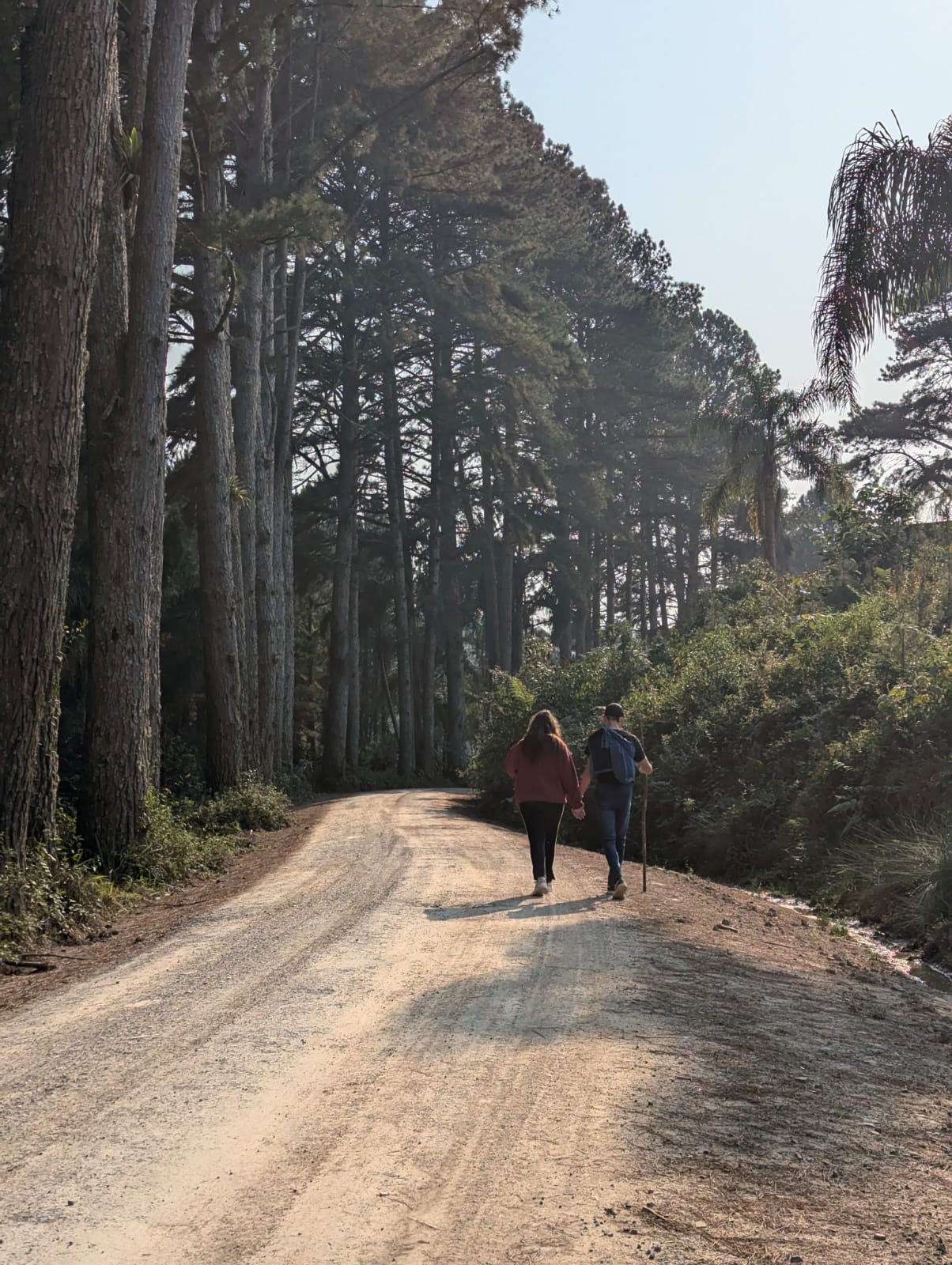
Choosing this route requires clarity. Society often projects its own narratives onto those without kids, assuming loneliness or regret. But for those who have made the conscious decision, the reality is often one of expanded possibility. You are building a life defined by what you choose to include, rather than what you are expected to accommodate.
This mindset shift is the foundation of the modern childfree journey. It allows you to approach travel, career, and community with a sense of agency. You are not waiting for life to happen; you are curating it. This section sets the stage for exploring how that autonomy translates into practical benefits, from financial flexibility to deeper social connections.
Building wealth without dependents
Choosing a childfree path fundamentally shifts your financial gravity. Without the cost of raising children, you retain full control over discretionary income, allowing you to direct funds toward retirement, debt elimination, and travel rather than daycare or education savings. This autonomy transforms money from a source of stress into a tool for freedom.
The math is straightforward. Child-rearing expenses are substantial and long-term. By opting out, you avoid these recurring costs, which can accelerate your path to financial independence. Many childfree individuals find it easier to save aggressively, invest in diverse portfolios, and clear high-interest debt faster than their parenting peers.
To visualize the difference, consider the typical monthly outflows for two households with similar incomes. The table below highlights where the money goes when you choose not to have children.
| Expense Category | Parent Household | Childfree Couple | Monthly Difference |
|---|---|---|---|
| Childcare/Education | $1,500+ | $0 | $1,500+ saved |
| Housing (Size/Location) | $2,800 | $2,200 | $600 saved |
| Food & Groceries | $1,200 | $900 | $300 saved |
| Health Insurance | $600 | $400 | $200 saved |
| Discretionary/Travel | $400 | $2,600 | $2,200 more |
This surplus doesn't just sit in a bank account. It compounds. Whether you are funding early retirement, buying a vacation home, or simply enjoying spontaneous trips, the financial flexibility is a direct result of your choice. You are not just saving money; you are buying time and options.
Spontaneous travel and flexible itineraries
The logistical ease of travel for childfree individuals is unmatched. Without school schedules, nap times, or the need to coordinate with other families, you can book a flight on a Tuesday morning and be on a beach by Thursday. This autonomy transforms travel from a complex logistical project into a spontaneous act of freedom.
This flexibility allows for luxury and diverse destinations that might otherwise be out of reach. You can choose boutique hotels in historic districts, book last-minute flights to emerging travel hubs, or extend a trip simply because you found a local experience you love. There is no need to plan a month in advance or stick to rigid itineraries designed for large groups.
Practical advice for maximizing this freedom: keep your packing light and versatile. A carry-on-only approach enables you to hop on the next available flight without worrying about checked baggage delays. Whether you are exploring the cobblestone streets of Prague or the vibrant markets of Bangkok, the ability to pivot your plans based on mood or weather is a distinct advantage.
Building your own calendar
Society hands you a script for life: graduate, marry, have kids, retire. When you opt out of the family track, that script goes blank. The result isn’t emptiness; it’s a blank canvas. You get to define what counts as a "big deal" in your life.
Many childfree people create alternative milestones to mark time. These aren’t about biological markers but personal achievements. You might celebrate a decade of travel, a major career pivot, or completing a long-term creative project. These moments carry the same emotional weight as traditional family events, but they are entirely yours to design.
Community becomes the anchor for these celebrations. Without the built-in network of parents and school groups, you intentionally curate friendships that last. This often leads to "chosen families"—tight-knit groups of friends who show up for birthdays, crises, and quiet Sunday mornings just as reliably as traditional relatives.
As one writer noted, building a life without kids can feel untethered at first, so creating a list of alternative milestones helps ground you. It turns abstract freedom into tangible joy. Whether it’s a solo trip to Japan or a group hiking trip with your closest friends, these are the dates you circle in red on your calendar.
Your childfree lifestyle checklist
Building a childfree life is less about what you’re giving up and more about what you’re actively choosing to build. This checklist serves as a practical audit for your finances, travel plans, and social connections. Use it to ensure your autonomy is backed by a solid foundation.
Without the cost of raising children, your financial trajectory changes dramatically. Redirect those funds into a robust retirement portfolio and an emergency fund that covers at least six months of expenses. The goal is to ensure your future self remains as free as your present self.
Treat your wanderlust as a non-negotiable appointment. Block out time for both spontaneous weekend getaways and longer international trips. Having a calendar full of planned experiences keeps you grounded and prevents the "untethered" feeling some childfree individuals report when life feels too open-ended.
Social circles often shift when you step away from the parenting track. Intentionally nurture friendships with other childfree peers and invest in community groups that align with your interests. Regular social check-ins prevent isolation and create a support network that understands your specific lifestyle choices.
Common Questions About Living Childfree
Living without children often brings a flood of questions from friends, family, and even strangers. These inquiries usually stem from curiosity or a lack of exposure to the lifestyle rather than malice. By addressing these topics directly, you can navigate social conversations with confidence and clarity.
Do childfree people regret their decision as they age?
Regret is rarely the outcome for those who make a deliberate choice. Research and personal accounts from individuals over 40 consistently highlight satisfaction with their autonomy. Rather than looking back with sadness, many describe a life filled with diverse experiences and self-discovery. The freedom to shape one’s own narrative often leads to a profound sense of fulfillment that defies traditional expectations.
How do I handle unsolicited advice or judgment?
You are not responsible for explaining or justifying your personal decisions. When faced with judgment, remember that the discomfort often lies with the observer, not you. Setting firm but polite boundaries is the most effective tool. You can acknowledge the comment without engaging in a debate, redirecting the conversation to your current interests or travels.
Is it financially harder to plan for retirement without kids?
Financial planning remains a personal responsibility regardless of parental status. Without the direct costs of raising children, many childfree individuals find it easier to allocate funds toward travel, housing, or early retirement. However, this also means you must be proactive about building a support network and long-term care plans, as you won’t have children to rely on for assistance in later years.
No comments yet. Be the first to share your thoughts!