
The real cost of a childfree budget
Going childfree changes your financial baseline, but it doesn't automatically mean you can spend without limits. The savings come from predictable, long-term expenses like college tuition and daily childcare, not from an infinite entertainment fund. Your budget needs to reflect the tradeoffs between high-cost travel and long-term security.
Housing: Space vs. Location
Without children, you have more flexibility in housing. You can prioritize location over square footage, choosing walkable urban centers or vibrant neighborhoods that might be too expensive for a family. This often means paying a premium for convenience and lifestyle rather than spreading out in the suburbs. However, this also means your housing costs remain a significant monthly fixed expense.
Travel and Experiences
Childfree couples often spend more on travel than their peer groups. While you can book last-minute flights or stay in boutique hotels, these experiences add up. The key is to budget for quality over quantity. Instead of frequent cheap trips, aim for fewer, more meaningful journeys. This approach prevents "vacation fatigue" and ensures your travel budget remains sustainable over decades.
Retirement and Emergency Funds
The biggest financial advantage of a childfree life is the ability to aggressively fund retirement. Without the need to save for college or support adult children, you can direct those funds into 401(k)s, IRAs, or taxable brokerage accounts. This creates a safety net that allows for greater risk tolerance in your investments, as you aren't relying on family support in later years.
Daily Living and Health
Daily expenses like groceries, dining out, and healthcare are still significant. While you might eat out more often, these costs can spiral if not tracked. Healthcare costs also rise with age, and without children to provide informal care, you may need to invest more in health insurance, wellness programs, or assisted living plans later in life.
The Bottom Line
A childfree budget is about intentionality. It requires regular reviews to ensure that discretionary spending doesn't erode your long-term goals. By treating your finances as a tool for freedom rather than a reward for sacrifice, you can build a life that is both financially secure and deeply satisfying.
Shortlist real options
Choosing a childfree lifestyle isn't just about saying no; it's about actively building a life that feels complete without children. The path you take depends on your priorities—whether that's financial freedom, travel flexibility, or deep community ties. Rather than abstract advice, let's look at the most practical ways people are structuring their days, finances, and social circles.
Financial Independence and Early Retirement
For many, the childfree choice is a powerful lever for financial planning. Without the costs of raising children, you can allocate more toward investments, travel, or early retirement. This isn't about hoarding money, but about buying time and options.
| Strategy | Benefit | Trade-off |
|---|---|---|
| Aggressive Investing | Higher net worth growth | Requires discipline |
| Travel Fund | Freedom to explore | Less stability |
| Home Ownership | Asset building | Maintenance costs |
| Hobby Budget | Personal fulfillment | Discretionary spending |
Travel and Adventure
The childfree lifestyle offers unparalleled freedom for travel. Without the need to coordinate school schedules or child-friendly amenities, you can book spontaneous trips, visit remote locations, or stay in adult-only resorts. This flexibility allows for deeper cultural immersion and more frequent adventures.
Community and Social Connections
Building a strong support network is crucial. Many childfree individuals find community through shared interests, volunteer work, or close friendships. These connections provide emotional support and a sense of belonging, countering the stereotype of isolation.
Lifestyle Flexibility
The ability to change careers, move cities, or pursue passion projects is a significant advantage. This flexibility allows for a more dynamic and adaptable life, where personal growth and exploration are prioritized over traditional milestones.
Inspect the expensive parts
Building a childfree lifestyle often means reallocating resources toward high-quality experiences and long-term security. Without the financial anchor of raising children, the cost of living errors can be steeper. A single major purchase or a poorly planned trip can derail years of disciplined saving. Treat your discretionary spending like a portfolio: audit it for value, not just novelty.
Use this checklist to inspect the expense items that most frequently drain childfree budgets. Focus on durability and utility. If an item doesn’t serve your travel goals or daily comfort, it’s a liability.
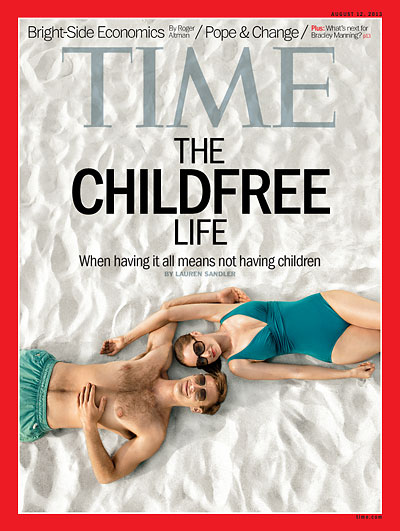
Many childfree travelers overpay for unused perks. Cancel premium lounge memberships if you only fly twice a year. Switch to pay-per-use services like Priority Pass for occasional trips. Reallocate that $400 annual fee toward a better hotel or a guided tour in a new destination.

Without children, your home is your primary sanctuary. Ignore small leaks or worn appliances, and you’ll face catastrophic repairs later. Budget 1% of your home’s value annually for maintenance. Use this fund to replace old water heaters or upgrade insulation before they fail.
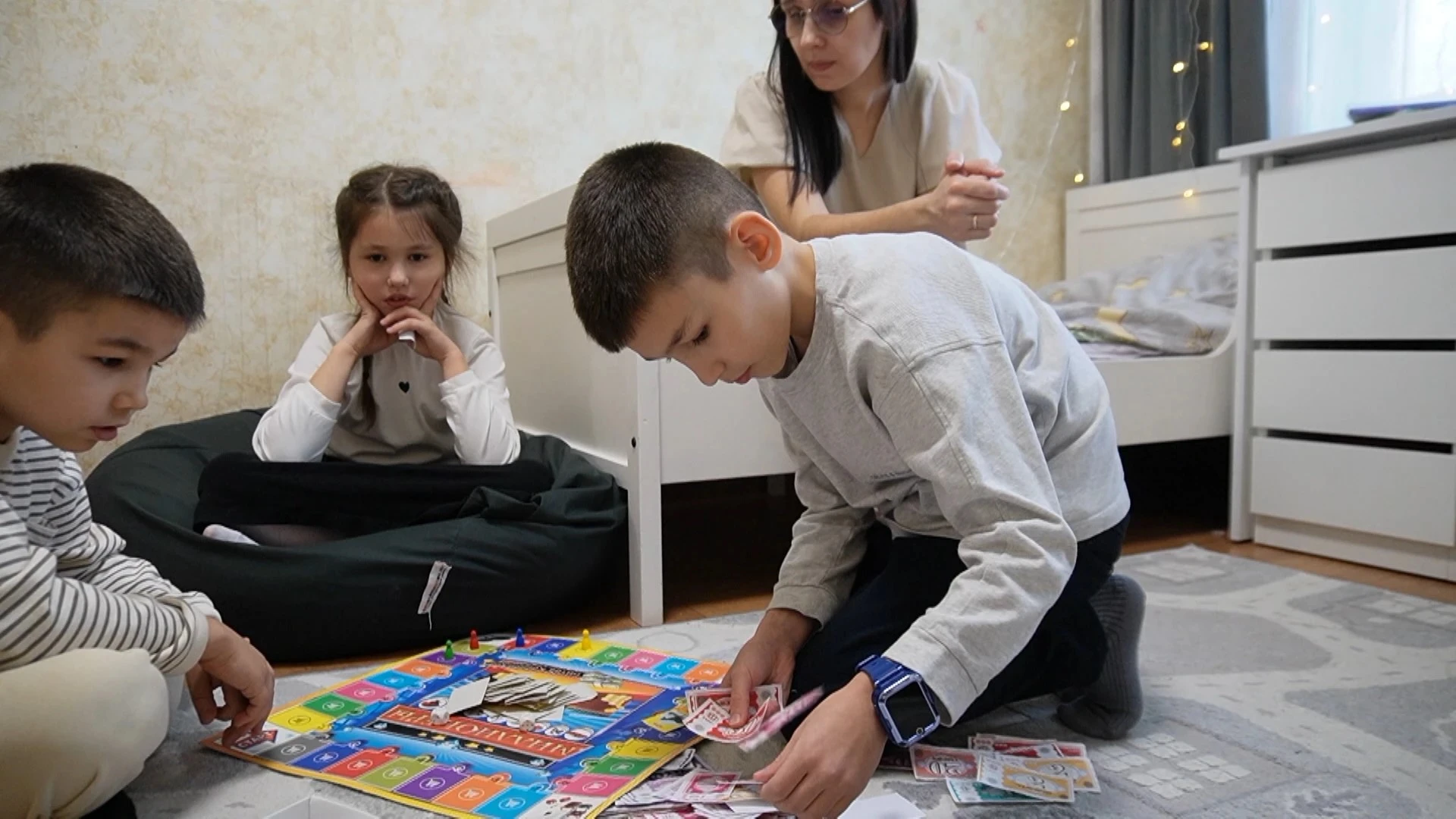
Childfree individuals often underestimate long-term care costs. Standard health insurance rarely covers extended nursing care. Inspect your policy for exclusions. Consider a standalone long-term care policy or a flexible savings account. This prevents a health crisis from liquidating your travel fund.

Streaming, fitness, and software subscriptions add up silently. Review your bank statement for recurring charges older than three months. If you haven’t used it, cancel it. Redirect those monthly dollars into a high-yield savings account or a specific travel fund.
By systematically auditing these high-cost areas, you protect your financial freedom. The goal isn’t to spend less, but to spend smarter on the things that actually enhance your childfree life.
Plan for Ownership Costs
The childfree lifestyle often trades the high fixed costs of raising children for higher discretionary spending on experiences, travel, and personal assets. While this shift offers significant financial flexibility, it also introduces a different set of ownership costs that can quietly erode savings if left unmanaged. The goal isn't to restrict enjoyment but to ensure that every dollar spent on your chosen lifestyle aligns with your long-term security.
Maintenance Surprises and Hidden Fees
When you own assets like vacation homes, luxury vehicles, or high-end gear, the purchase price is just the beginning. Annual maintenance, insurance premiums, and depreciation often exceed initial estimates. For example, a second home might seem like a cheap vacation rental investment, but property taxes, HOA fees, and upkeep can consume 5-10% of its value annually. Similarly, owning a vehicle for frequent travel means factoring in higher mileage wear, insurance for non-local use, and unexpected repairs.
When a Cheap Buy Stops Being Cheap
A common trap is buying the lowest-priced option for frequently used items, only to replace them multiple times. In the context of a childfree lifestyle focused on travel and hobbies, quality matters. A cheaper tent might leak, a lower-end camera might fail, or a budget airline ticket might come with hidden baggage fees that add up. Investing in durable, high-quality gear often lowers the cost per use over time, reducing the need for replacements and ensuring reliability when you're miles from home.
Tools for a Mobile, Asset-Heavy Life
To support a life of travel and personal investment, consider these essential tools that balance durability with portability:


As an Amazon Associate, we may earn from qualifying purchases.
By anticipating these costs and choosing wisely, you can maintain the freedom and joy of a childfree life without compromising your financial future. It's about making intentional choices that support your lifestyle while keeping your wallet healthy.
Childfree lifestyle: what to check next
Navigating the decision to live without children involves more than just personal preference; it requires practical planning for social, financial, and emotional realities. These answers address the most common concerns readers have when considering this path.
No comments yet. Be the first to share your thoughts!