
Defining the childfree lifestyle
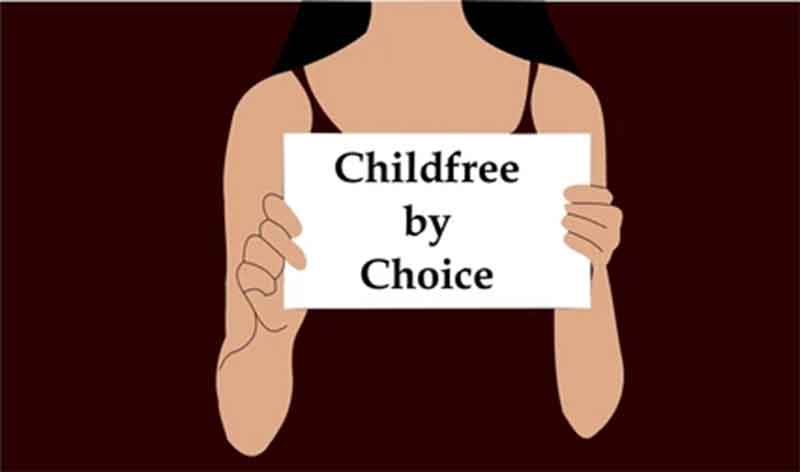
The term "childfree" describes a deliberate choice to remain without children, distinguishing it from being "childless," which refers to those who desire children but are unable to have them due to circumstance. This distinction is foundational to the mindset of intentional living, where every decision—from career moves to travel itineraries—is made with full autonomy.
Adopting this lifestyle often means prioritizing flexibility and spontaneous exploration. Without the logistical constraints of raising a family, individuals can adjust their schedules to catch off-season deals, visit remote destinations, or extend trips indefinitely. This freedom transforms travel from a scheduled event into a continuous, adaptable rhythm.
The movement has grown significantly in recent years, reflecting a broader cultural shift toward personal agency over traditional timelines. Recognizing this choice as valid and planned allows for a more confident approach to life planning, ensuring that resources are allocated toward experiences that bring genuine fulfillment rather than societal expectation.
Allocate disposable income for travel
The financial structure of the childfree lifestyle offers a distinct advantage: the absence of direct childcare costs allows for higher discretionary spending. Instead of allocating funds toward education savings or family necessities, you can redirect that capital toward experiences that define your freedom. This shift transforms savings from a static safety net into a dynamic tool for exploration and early retirement.
Consider the trade-off between traditional family budgeting and childfree prioritization. The following comparison highlights how disposable income is typically allocated in each scenario.
| Category | Standard Family Budget | Childfree Prioritization |
|---|---|---|
| Housing | Larger space, school districts | Location flexibility, urban centers |
| Travel | Seasonal, shorter trips | Extended stays, global travel |
| Savings | Education funds, insurance | Investment portfolios, retirement |
| Daily Costs | Childcare, activities, food | Dining, hobbies, wellness |
This financial flexibility enables you to pursue luxury experiences and long-term travel without the logistical constraints of family life. Hotels and resorts catering specifically to child-free holidays are booming, offering serene environments that appeal to those who value quiet and exclusivity. By treating your disposable income as a travel fund, you can book extended stays in destinations like Portugal’s Algarve or Japan’s Kyoto during peak seasons, securing better rates and availability.
To maximize this advantage, automate your savings into investment accounts immediately after receiving income. This habit ensures that your financial freedom compounds over time, allowing you to retire earlier or sustain a nomadic lifestyle indefinitely. The goal is to turn the money you save on children into a passport for lifelong adventure.
Navigating Sterilization and Health Choices
Choosing the childfree lifestyle often involves considering permanent contraception as a practical health decision. For many, this step provides peace of mind, allowing them to focus on career goals, travel, and personal freedom without the anxiety of unintended pregnancy. It is a medical procedure that requires careful thought, research, and consultation with a healthcare provider.
Understanding the Options
Sterilization procedures are distinct from temporary birth control methods. Vasectomies for men and tubal ligations or occlusions for women are designed to be permanent. While reversal surgeries exist, they are expensive, not always successful, and should not be viewed as a backup plan. The decision to undergo these procedures is deeply personal and should align with your long-term life goals.
Medical Consultation and Timing
Before scheduling a procedure, it is essential to have an open dialogue with a doctor. They can discuss the specific risks, recovery times, and suitability of different methods for your body. Many providers require a waiting period or counseling session to ensure the decision is informed and final. This process helps protect your autonomy and ensures you are making the right choice for your future.
Finding community and dating options
The Childfree Lifestyle works best as a clear sequence: define the constraint, compare the realistic options, test the tradeoff, and choose the path with the fewest hidden costs. That order keeps the advice usable instead of decorative. After each step, pause long enough to check whether the recommendation still fits the reader's actual situation. If it depends on perfect timing, unusual access, or a best-case budget, include a simpler fallback.
The simplest way to use this section is to write down the real constraint first, compare each option against it, and choose the path that still works outside ideal conditions.
Top destinations for childfree travelers
The childfree lifestyle often involves a preference for travel that prioritizes tranquility, spontaneity, and adult-centric amenities. While family-oriented resorts dominate the mainstream market, a growing segment of the hospitality industry caters specifically to those without children. This shift has created distinct travel corridors where silence, fine dining, and uninterrupted exploration are the standard rather than the exception.
Choosing the right destination depends on whether you seek the structured luxury of an adults-only resort or the unstructured freedom of a car-free city. The following guide outlines three primary travel archetypes that align with the childfree ethos, focusing on practical logistics and environment.
These destinations, often found in the Caribbean, Mexico, and Southeast Asia, offer a controlled environment. Hotels like Secrets, Breathless, or Finca Rosa Blanca enforce strict no-child policies, ensuring quiet pools, sophisticated dining, and organized social events. The appeal lies in the predictability: you know the atmosphere will remain calm and the service oriented toward adult needs, from spa treatments to late-night bars.
Cities like Venice, Amsterdam, and Copenhagen offer a different kind of freedom. The absence of strollers in narrow canals or bike lanes makes navigation effortless. You can wander into quiet museums, enjoy long dinners without timing constraints, and experience the local culture at its own pace. The primary consideration here is accommodation location; staying in the historic center allows for spontaneous exploration that is often impossible in car-dependent regions.
Destinations like Tulum, Bali, or Sedona attract a demographic that values mindfulness and self-improvement. These locations are ideal for the childfree traveler because they cater to solo guests and small groups interested in yoga, meditation, and digital detoxing. The infrastructure supports a slower pace of life, with accommodations designed for privacy and reflection rather than family entertainment.
Timing plays a critical role in maximizing the benefits of these destinations. For resort enclaves, shoulder seasons (April-May and September-October) offer better rates and fewer crowds, enhancing the sense of exclusivity. For city breaks, avoiding major holidays ensures that the quiet cafes and galleries remain accessible. The childfree lifestyle allows for this flexibility, enabling you to travel when the weather is best and the prices are lowest, rather than being bound by school calendars.
Your childfree lifestyle checklist
Before committing to the childfree lifestyle, treat your decision like a travel itinerary: map out the financial, medical, and social logistics to ensure you are ready for the journey. This checklist helps you assess your readiness across three critical areas.
Financial independence
Without the cost of raising children, your financial trajectory shifts significantly. Prioritize building a robust emergency fund and maximizing retirement contributions early. Consider how your increased disposable income can fund frequent travel or early retirement, ensuring your resources support your long-term freedom rather than just immediate gratification.
Medical and reproductive clarity
Confirm your stance on fertility preservation if you are unsure. Schedule consultations with healthcare providers to understand your options for contraception or sterilization. Keeping your medical records organized and discussing long-term care preferences with a partner or family member prevents ambiguity as you age.
Social and lifestyle alignment
Evaluate your social circles and community fit. The childfree lifestyle often involves different social rhythms, so identify travel destinations, hotels, and activities that cater to adults without children. Building a support network of like-minded peers ensures you have a community that understands and respects your choice to prioritize personal freedom and experiences.
Common questions about being childfree
Many travelers adopting the childfree lifestyle encounter specific questions regarding social norms, psychological well-being, and long-term planning. Addressing these inquiries helps clarify how this choice impacts daily logistics and travel freedom.
No comments yet. Be the first to share your thoughts!