

Childfree Lifestyle Budget
The financial freedom of a childfree life is real, but it requires intentional allocation rather than passive saving. Without the mandatory baseline costs of childcare, education, or specialized housing, your disposable income becomes a strategic resource. This shifts the focus from affording necessities to funding experiences and assets.
Where the Savings Go
Most childfree couples redirect the 20-30% typically spent on children into three main buckets: travel, home upgrades, and early retirement. Travel offers the highest immediate joy-per-dollar ratio. A mid-range international trip that would strain a family budget is often a standard vacation for a childfree pair. Home upgrades, such as kitchen renovations or smart home systems, provide lasting utility without the wear-and-tear of growing families.
The Productivity Multiplier
Time is the other currency. The hours saved from school runs, extracurriculars, and childcare logistics can be converted into higher income through side hustles or career advancement. This "time dividend" allows for compound growth in both wealth and personal fulfillment. However, this requires discipline. Without the forced structure of parenting, it is easy to let discretionary time slip into low-value activities.
Realistic choices that change the plan
Being childfree doesn't mean spending freely. It means choosing where the friction lies. You might pay more for convenience (cleaning services, premium travel) to preserve time, or invest heavily in financial markets to secure a comfortable retirement. The key is aligning spending with your specific definition of a "full life," rather than following societal scripts that assume children are the primary anchor for future planning.


As an Amazon Associate, we may earn from qualifying purchases.
Shortlist real options
Choosing the childfree lifestyle isn't just about what you aren't doing; it's about what you're actively building. Whether you are looking to maximize travel freedom, accelerate financial independence, or deepen relationship bonds, the tools and strategies differ significantly. Below is a comparison of the three strongest lifestyle paths available for 2026, helping you identify which framework aligns with your specific goals.
Financial Independence Path
The financial independence route leverages the absence of child-rearing costs to accelerate wealth building. Without expenses for education, childcare, or larger housing needs, childfree individuals can allocate a higher percentage of income toward investments and retirement accounts. This path is ideal for those who view financial security as the ultimate form of freedom.
Global Nomad Path
For those who prioritize experiences, the global nomad lifestyle offers unparalleled flexibility. Travel becomes less about planning around school schedules and more about seizing opportunities. This path requires adaptability and a willingness to embrace temporary living situations, making it perfect for adventurers who value movement over permanence.
Deep Connection Path
This approach focuses on strengthening relationships with partners, friends, and community groups. Without the time demands of parenting, childfree individuals can invest deeply in social bonds and local engagement. It is well-suited for those who find fulfillment in strong, supportive networks and shared hobbies.
Amazon Product Picks
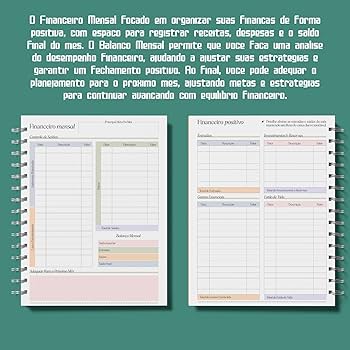
To support these lifestyle paths, here are some highly rated products that facilitate financial planning, travel efficiency, and relationship building.

![DSS Games The Couples Game That's Actually Fun [Date Night Idea, Relationship Card Game, Newlywed Game, 2 Players for Adults | Couples Gifts, Gift for Her, Gift for Him] The Forest Stewardship Council](https://m.media-amazon.com/images/I/611xkdRuE9L._AC_UL960_QL65_.jpg)
As an Amazon Associate, we may earn from qualifying purchases.
Inspect the expensive parts
Childfree life planning isn't just about freedom; it's about funding it. Without a family to share costs, your personal assets bear the full weight of unexpected failures. The goal here is to identify the high-cost failure points in your travel, financial, and relationship infrastructure before they drain your savings.
Think of this inspection as a pre-flight check for your independence. A broken laptop in a foreign country or an uncovered health crisis can derail your childfree lifestyle faster than any budget cut. We are focusing on concrete tools and systems that prevent these expensive surprises.
Travel: The Tech and Insurance Backbone
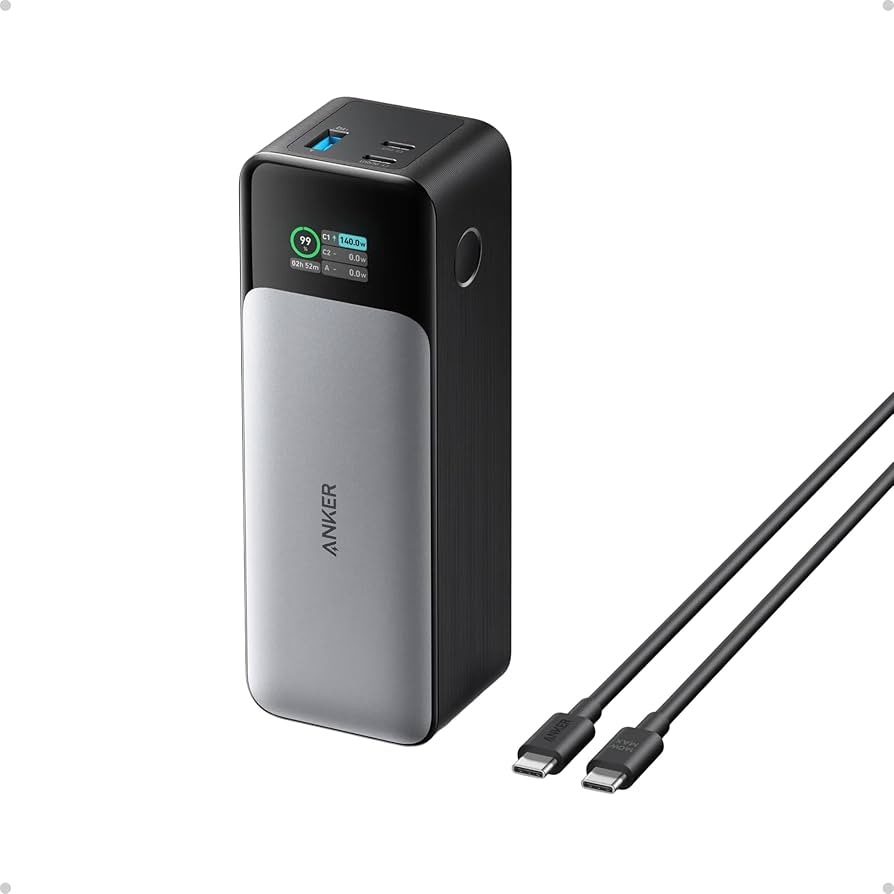
Your ability to travel freely depends on reliable gear and safety nets. If your primary laptop dies in Tokyo, the cost of replacement and lost work can exceed your trip budget. Similarly, without comprehensive travel insurance, a medical emergency abroad can wipe out years of savings.

As an Amazon Associate, we may earn from qualifying purchases.
Check your power banks for swelling or reduced capacity. Ensure your travel insurance policy explicitly covers the specific activities you plan to do, from hiking to diving. Don't assume your domestic health plan works overseas.
Finance: The Emergency Buffer
Childfree couples often have higher disposable income, which can lead to lifestyle inflation or complacency. The biggest financial risk isn't spending; it's the lack of a robust emergency fund that accounts for two incomes potentially drying up.

Verify your emergency fund covers at least six months of combined expenses. If one partner loses their job, can the other sustain the current lifestyle? This buffer is your primary insurance against financial collapse.
Relationships: The Communication Contract
Without children to anchor a relationship, couples can drift apart if they don't actively maintain shared goals. The most expensive relationship failure is a breakup that splits assets and doubles living costs.

Use tools like conversation card decks to regularly check in on your shared vision. Discuss retirement plans, travel dreams, and end-of-life care preferences early. Clear communication prevents costly legal and emotional disputes later.
Plan for Ownership Costs
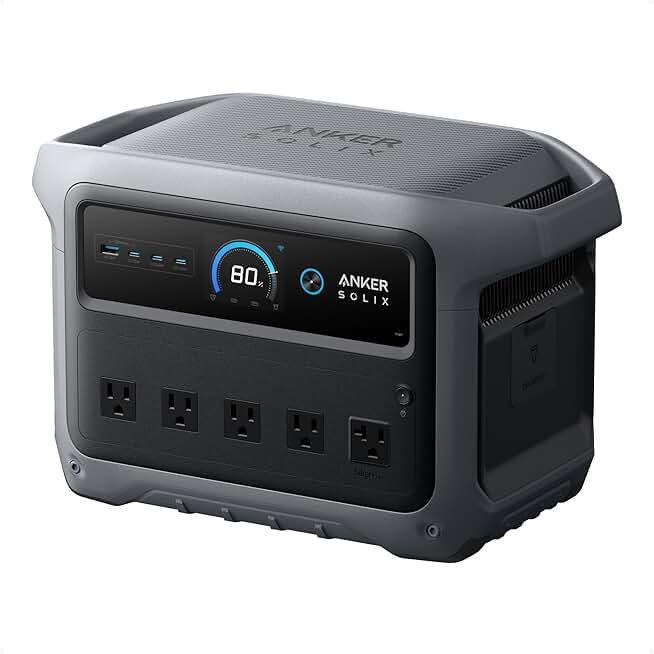
Ownership costs extend far beyond the purchase price. When you buy a car, a home, or even high-end travel gear, the sticker price is just the entry fee. The real financial test is the ongoing expense of keeping that asset functional and valuable. For the childfree lifestyle, this distinction matters because your discretionary spending often leans toward experiences and durable goods that require active maintenance.
A cheap buy stops being cheap the moment maintenance costs eclipse the savings. Consider a vintage motorcycle or a larger house with a yard. The initial price might be attractive, but the hidden costs—engine rebuilds, roof repairs, or landscaping—can drain the budget you intended for travel or hobbies. Always calculate the total cost of ownership before committing. This includes insurance, registration, routine servicing, and unexpected repairs.
To manage these costs effectively, prioritize assets that hold value or require minimal upkeep. A reliable sedan with a strong resale market costs less over five years than a luxury car with expensive parts and labor. Similarly, a condo with a homeowners association handles exterior maintenance, freeing up your time and money for the experiences that define your freedom.


As an Amazon Associate, we may earn from qualifying purchases.
When evaluating a purchase, ask yourself: what will this cost me in three years? If the answer involves significant time or money, it may not be the right fit for your childfree goals. Focus on assets that support your lifestyle without becoming a financial anchor.
Childfree lifestyle: what to check next
Choosing to live without children is a significant life decision that often brings up practical concerns about money, relationships, and social perception. Here are answers to the most common questions people ask before committing to the childfree lifestyle.
What are the main financial benefits of being childfree?
The most immediate advantage is financial flexibility. Without the cost of raising a child—which can exceed $300,000 over 18 years—you can accelerate debt repayment, invest more aggressively, and save for your own retirement. This extra capital also funds the lifestyle perks often cited by childfree individuals, such as international travel, hobbies, and spontaneous experiences, without needing to budget for childcare or education funds.
How do childfree couples handle social pressure and family expectations?
Social pressure often comes from well-meaning relatives or friends who view parenthood as the default life path. Many couples handle this by setting clear, polite boundaries and focusing on their shared values rather than defending their choice repeatedly. Building a community of like-minded friends or joining groups like the We are Childfree podcast can provide support and normalize the lifestyle, reducing feelings of isolation or being "untethered."
Will I lack purpose or meaning in life without children?
Purpose is subjective and not tied to parenthood. Many childfree individuals find deep meaning in careers, creative pursuits, mentorship, travel, and community involvement. Research and personal accounts suggest that fulfillment comes from engaging in activities that align with your personal values, whether that means building a business, volunteering, or simply enjoying more downtime to pursue passions that parenting might limit.
Can I still have a strong relationship with my nieces, nephews, or younger relatives?
Absolutely. Many childfree people enjoy close, supportive relationships with their siblings' children. This role allows for meaningful connection and mentorship without the full-time responsibility and financial burden of parenting. It offers a balance of involvement and freedom, letting you be present in their lives while maintaining your own autonomy and lifestyle choices.
No comments yet. Be the first to share your thoughts!