

Defining the modern childfree path
The term "childfree" describes a deliberate choice to remain without children, distinguishing itself from "childless," which often implies an absence due to circumstance or inability. This distinction matters because the lifestyle is rooted in intentionality. It is not about what is missing, but about what is actively chosen: a life structured around personal autonomy, financial independence, and flexible living.
Research suggests that many who choose this path report higher levels of life satisfaction. Without the financial and temporal demands of raising children, individuals often have more resources to pursue hobbies, maintain strong social networks, and explore career ambitions. The focus shifts from long-term caregiving to immediate personal growth and shared experiences with partners or friends.
This article explores the practical tools that support this lifestyle. We will look at products and services that enhance travel efficiency, dating experiences, and financial planning, all tailored for those who value freedom and flexibility. By understanding the core benefits of intentional living, you can better identify the tools that align with your goals.
Best dating apps for childfree singles
Finding a partner who respects your choice to remain childfree requires platforms that either prioritize this preference or allow you to filter it clearly. The right app removes the friction of explaining your lifestyle early on, letting you focus on compatibility rather than negotiation.
Hinge
Hinge’s prompt-based profile structure allows you to explicitly state your childfree status in sections like "My simple pleasure" or "We'll get along if." This contextual approach helps attract matches who are open-minded or share the same view without making it the sole defining feature of your profile. The app’s algorithm prioritizes meaningful interaction, which suits the intentional nature of the childfree lifestyle.
Bumble
Bumble gives women the first move, which can help create a safer space for discussing lifestyle boundaries. While it doesn’t have a specific "childfree" filter, the bio and prompt fields are highly customizable. Many users successfully signal their stance early in the conversation, reducing the likelihood of mismatched expectations. The platform’s focus on respectful communication aligns well with the autonomy valued by childfree individuals.
Feeld
Feeld caters to open-minded dating and ethical non-monogamy, making it a strong option for those who prioritize lifestyle alignment over traditional relationship structures. The app’s inclusive environment encourages users to be upfront about their desires and boundaries, including family planning choices. It’s particularly useful for those seeking partners who are flexible and communicative about life paths.
OkCupid
OkCupid’s extensive questionnaire includes specific questions about children, allowing you to set strict match preferences. You can filter out anyone who wants children, ensuring your inbox contains only compatible profiles. This data-driven approach minimizes wasted time and emotional energy, focusing your dating efforts on those who already share your core values.
| App | Best For | Childfree Feature |
|---|---|---|
| Hinge | Meaningful connections | Custom prompts |
| Bumble | Women-led conversations | Bio customization |
| Feeld | Open-minded dating | Inclusive boundaries |
| OkCupid | Strict filtering | Questionnaire filters |
Gear for spontaneous getaways
The best part of being childfree isn't just the freedom to leave; it's the ability to pack light enough that you can do it in ten minutes. When your schedule is yours, you don't need a duffel bag that takes up the backseat. You need a system that fits under the seat in front of you and holds everything you need for three days without a second thought.
This approach changes how you view travel. It turns a trip from a logistical headache into an impulse decision. You see a flight deal, you grab your bag, and you go. The gear below is curated for that exact kind of autonomy—items that are durable, versatile, and small enough to keep your life mobile.


As an Amazon Associate, we may earn from qualifying purchases.
Start with the bag itself. A high-quality packable duffel is the cornerstone of spontaneous travel. Look for one made from ripstop nylon that zips down to the size of a fist. When you're not using it, it disappears. When you are, it holds three days' worth of clothes without forcing you to overpack. The goal is to carry less, not more.
Clothing is where you save the most weight. Skip the jeans and heavy jackets. Merino wool t-shirts and underwear are the standard for a reason—they don't smell after three days of wear and they dry overnight in a hotel sink. This means you only need two or three outfits total. Fewer clothes mean less decision fatigue when you're rushing to catch a train or a flight.
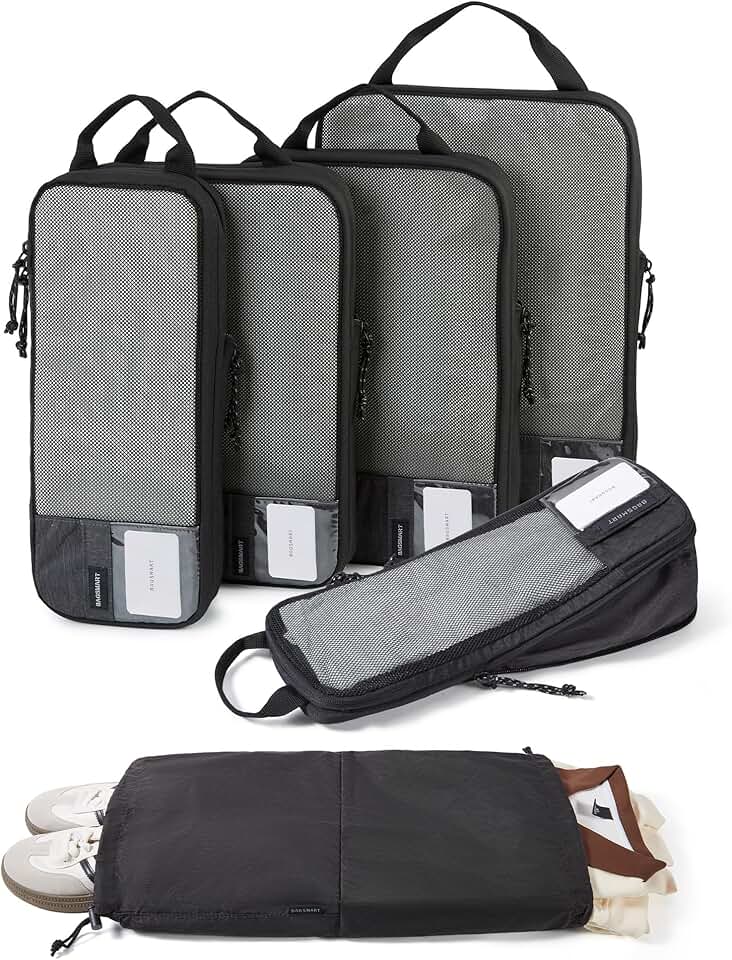
Accessories like a universal adapter and compression packing cubes are small but critical. They prevent the common panic of finding a dead phone or a wrinkled shirt at the last minute. With these tools, you're not just carrying stuff; you're carrying the capacity to handle whatever comes next.
Financial tools for long-term freedom
The childfree lifestyle offers a distinct financial advantage: the ability to direct resources entirely toward your own future. Without the cost of raising children, you can accelerate debt repayment, maximize retirement contributions, and invest with a longer time horizon. This financial autonomy allows compound interest to work harder for you, turning discretionary income into lasting security.
To build this foundation, start with high-yield savings accounts for emergency funds and short-term goals. Platforms like Ally Bank or Marcus by Goldman Sachs often provide competitive rates that outpace traditional brick-and-mortar banks, helping your cash grow while remaining liquid. For retirement, prioritize tax-advantaged accounts such as a 401(k) or IRA. If you are self-employed, a SEP-IRA can offer even higher contribution limits.
Investment strategies for autonomy
With fewer dependents, you can afford a slightly more aggressive investment strategy than those with heavy family obligations. Broad market index funds or ETFs are ideal for building wealth efficiently. Fidelity, Vanguard, and Charles Schwab offer excellent platforms for automated investing, allowing you to set up recurring contributions and rebalance your portfolio with minimal effort. This "set it and forget it" approach ensures consistent growth without requiring daily attention.
Tracking and optimizing expenses
Use budgeting apps like YNAB (You Need A Budget) or Mint to track spending and identify areas for optimization. These tools provide visibility into your cash flow, helping you avoid lifestyle inflation even as your income grows. By consciously directing extra funds toward investments, you can achieve financial independence faster, giving you the freedom to travel, pursue hobbies, or retire early.
Essential tools for childfree financial planning
| Tool Category | Recommended Platform | Key Benefit |
|---|---|---|
| High-Yield Savings | Ally Bank | Competitive APY, no fees |
| Retirement Accounts | Fidelity | Low-cost index funds, automated investing |
| Budgeting | YNAB | Proactive budgeting, debt reduction |
| Brokerage | Vanguard | Low expense ratios, broad market access |
Checklist for financial readiness
-
Assess current debt and create a payoff plan
-
Open a high-yield savings account for emergencies
-
Maximize contributions to tax-advantaged retirement accounts
-
Diversify investments across broad market index funds
-
Review and adjust financial plan annually
Recommended products for financial growth


As an Amazon Associate, we may earn from qualifying purchases.
Frequently asked: what to check next
Key takeaways
Navigating social expectations and health
Choosing a childfree life often means preparing for a lifetime of managing external expectations. You may face persistent questions about your plans or judgment from family and friends who view parenthood as the default path. This social friction is rarely about malice; it usually stems from a lack of understanding about why you’ve chosen freedom over traditional family structures.
The We Are Childfree podcast serves as an audio guide for this exact dynamic, offering a safe space to discuss the emotional realities of this lifestyle. Listening to others navigate similar pressures can provide practical scripts for setting boundaries and reducing the mental load of defending your choices. Community support transforms isolated frustration into shared resilience.
On the medical front, sterilization procedures like tubal ligation or vasectomy offer a permanent, reliable solution to unwanted pregnancy. Unlike reversible contraceptives, these procedures remove the anxiety of failure, granting a deeper sense of bodily autonomy. Consult a healthcare provider to discuss which option aligns with your health history and long-term goals.
Frequently asked questions about the childfree life
Are childfree people on average happier? Most studies suggest that people without children report higher levels of life satisfaction and happiness. This often comes down to reduced financial stress and the freedom to pursue hobbies, travel, and career goals without compromise.
Do childfree people experience more loneliness? Loneliness is not a guaranteed outcome. Research indicates that childfree individuals often maintain strong social networks through friends, partners, and community involvement. While some may feel untethered at times, many build meaningful alternative milestones that provide deep connection and purpose.
Is it possible to change your mind later? Yes. Many people who choose to remain childfree later in life have children, and some parents wish they hadn't. The decision is personal and can evolve. Being honest about your current desires is more important than committing to a permanent stance.
What are the biggest misconceptions? A common myth is that childfree people are selfish or bitter. In reality, many choose this path to focus on other passions, careers, or relationships. The lifestyle is about autonomy and intentionality, not a rejection of others.
How does being childfree affect finances? Without the cost of raising children, you have more disposable income for travel, investments, and experiences. This financial flexibility allows for greater career risk-taking and earlier retirement options.
No comments yet. Be the first to share your thoughts!