
Defining the childfree lifestyle
The term "childfree" describes an active, intentional choice to not have children, distinguishing it from "childless," which often implies circumstance or inability. While the word has historical roots, its modern usage celebrates a life defined by deliberate planning rather than absence. This distinction frames the entire lifestyle: it is about what you are choosing to build, not what you are leaving behind.
Living childfree means designing your days around your own priorities. Whether that involves career advancements, spontaneous travel, or simply enjoying quiet evenings, the focus shifts to self-directed milestones. The community around this choice has grown significantly, offering support and resources for those navigating a path less traveled.
Understanding this definition helps clarify the tools and products that support this way of life. From travel gear that enables flexibility to financial tools designed for long-term independence, every recommendation here serves the goal of maximizing freedom and comfort. It is a lifestyle rooted in clarity and purpose.
Gear for spontaneous travel
The childfree lifestyle isn’t just about the freedom to leave on a moment’s notice; it’s about packing lighter and experiencing more. When you aren’t hauling diaper bags or bulky strollers, your luggage becomes a tool for efficiency rather than a storage unit for necessities. The goal is to curate a kit that handles everything from a sudden long weekend to a month-long backpacking trip without weighing you down.
Start with a high-quality, carry-on-only suitcase. Modern soft-shell designs offer surprising expandability while staying within strict airline size limits. Pair this with a versatile packing cube system that organizes clothes by activity rather than type, making it easy to pull out swimwear or hiking gear without unpacking everything. For tech, a compact multi-port charger and a universal travel adapter are non-negotiables, allowing you to power devices anywhere in the world from a single outlet.
Comfort is the final piece of the puzzle. Noise-canceling headphones transform cramped airplane cabins into quiet workspaces or relaxation zones. A lightweight, packable daypack serves double duty as your airport carry-on and your daily explorer bag for city walks or beach trips. By investing in these core items, you remove the friction from spontaneous plans, leaving you free to focus on the experience itself.
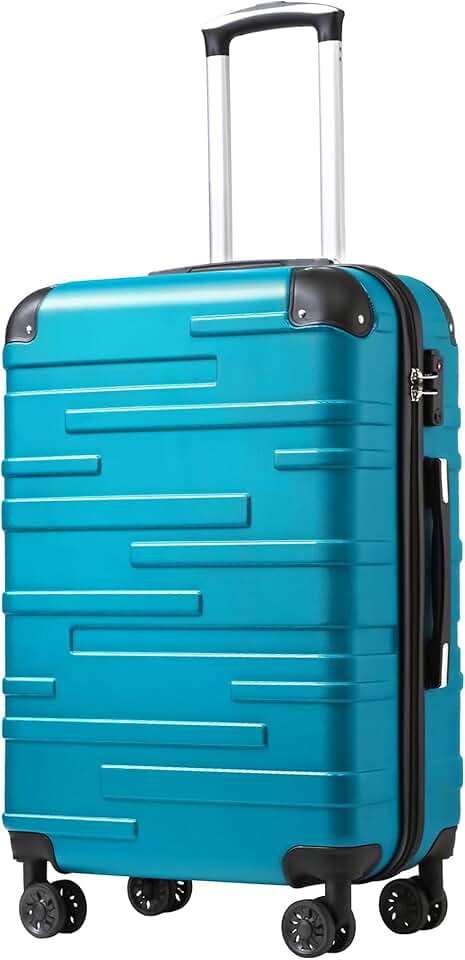



As an Amazon Associate, we may earn from qualifying purchases.
Dating apps for intentional connections
Finding a partner who shares your childfree values doesn’t require a needle in a haystack. Several platforms now cater specifically to this lifestyle, filtering out the guesswork and helping you connect with people who already align with your choice. These apps prioritize compatibility based on family planning goals, saving you time and emotional energy.
The following table compares the most prominent options, highlighting their user base size, specific features for childfree singles, and overall platform culture.
| App | Primary Audience | Childfree Features | Cost Range |
|---|---|---|---|
| eHarmony | Serious relationship seekers | Detailed compatibility quiz includes family planning goals | $$-$$$ |
| Hinge | Millennials/Gen Z | Profile prompts allow explicit lifestyle statements | $-$$ |
| OkCupid | Broad demographic | Extensive filtering options for family plans | $-$$ |
| Match.com | 30+ demographic | Basic search filters for lifestyle preferences | $$-$$$ |
eHarmony stands out for its rigorous compatibility matching. Its detailed questionnaire explicitly asks about future family plans, ensuring you only see profiles of those who share your childfree stance. This is ideal if you want a serious, long-term commitment without any ambiguity.
Hinge is designed to be deleted, focusing on meaningful conversations. Its prompt system allows you to showcase your lifestyle openly, such as "We’ll get along if you’re also planning a childfree life." This transparency helps attract partners who value intentionality over casual dating.
OkCupid offers extensive filtering capabilities. You can filter potential matches by their stated desire for children, making it a powerful tool for narrowing down your search. Its large user base means more options, but you’ll need to sift through more profiles to find those who truly align.
Match.com provides a broad demographic reach with basic filtering options. While it may not have as many childfree-specific features as others, its large user base increases the likelihood of finding compatible partners in your area.


As an Amazon Associate, we may earn from qualifying purchases.
Financial strategies for freedom
The absence of child-rearing costs is the single greatest accelerator of personal wealth. Without the need to fund college tuition, daily care, or extracurricular activities, you retain the full velocity of your income. This allows for aggressive investing and early retirement planning that feels less like a sacrifice and more like a reward for your choices.
Debt freedom becomes significantly more attainable. When you aren't supporting a dependent, you can direct surplus cash toward high-interest credit cards or student loans with renewed intensity. This financial agility creates a safety net that is entirely yours, built on your own terms.
To support this journey, having the right educational resources is essential. The following tools and books provide concrete frameworks for budgeting, investing, and planning for a long, independent retirement.


As an Amazon Associate, we may earn from qualifying purchases.
The goal isn't just to save money; it's to buy time. Every dollar redirected from traditional family expenses is a vote for your own freedom, whether that means retiring at 45 or funding a decade of global travel. These tools help you structure that wealth so it works as hard as you do.
Build Your Childfree Circle
Finding your people transforms the childfree path from a solitary choice into a shared lifestyle. While friends with children often drift toward parent-centric routines, building a dedicated community ensures you have a support system that celebrates your freedom rather than questioning it. This social infrastructure is just as vital as the financial and travel wins you enjoy.
Start with established platforms that prioritize this specific lifestyle. The We Are Childfree podcast and community site offer a safe space for discussion, providing audio guides and forums where you can connect with others who understand the nuances of this intentional life. These resources help normalize the choice and reduce the isolation that can sometimes accompany non-traditional paths.
For real-time conversation and peer advice, niche subreddits are invaluable. Communities like r/Fencesitter and r/childfree host active threads where members discuss everything from social boundaries to travel logistics. These spaces allow you to see how others navigate family gatherings or plan childfree adventures, offering practical tips that generic advice columns simply cannot match.
Your childfree lifestyle checklist
Building a fulfilling life without children is an exercise in intentionality. Rather than waiting for milestones to happen, you design them. This checklist helps you evaluate where you stand across travel, finance, and social connections, ensuring your freedom is backed by a solid plan.

Map out three trips you can book next year. Without school schedules or childcare constraints, you have the luxury of last-minute spontaneity or long-term slow travel. Start by setting aside a dedicated travel fund, even if it’s just 5% of your income, to turn those flexible days into actual itineraries.

Childfree living often means higher discretionary income, but it also requires longer-term financial planning since you may not have children to support you in old age. Review your retirement contributions and emergency savings. Consider tools like high-yield savings accounts or diversified investment portfolios that align with your risk tolerance and long-term goals.

As noted in The Guardian, many childfree individuals create alternative milestones through strong social bonds. Actively nurture friendships and community ties. Join clubs, volunteer, or host regular gatherings. These connections provide the emotional support and sense of belonging that traditional family structures often offer, ensuring you feel tethered and supported.
Use this checklist annually to keep your lifestyle aligned with your evolving goals. The freedom to design your own path is your greatest asset—use it wisely.
No comments yet. Be the first to share your thoughts!