
Defining the childfree choice
The term childfree describes a deliberate, positive life choice to not have children. It is an identity rooted in intention, distinct from being childless, which refers to those without children due to circumstance, infertility, or loss. While both groups share a similar household structure, the difference lies in agency. The childfree lifestyle is about what you choose to build, not what you lack.
This distinction matters because it frames the narrative around freedom and flexibility. Choosing a childfree path often means designing a life centered on career mobility, travel, financial independence, or community engagement. It is not a passive state; it is an active curation of time and resources. Society often misunderstands this, viewing the absence of children as a void, but for many, it is a space filled with other meaningful pursuits.
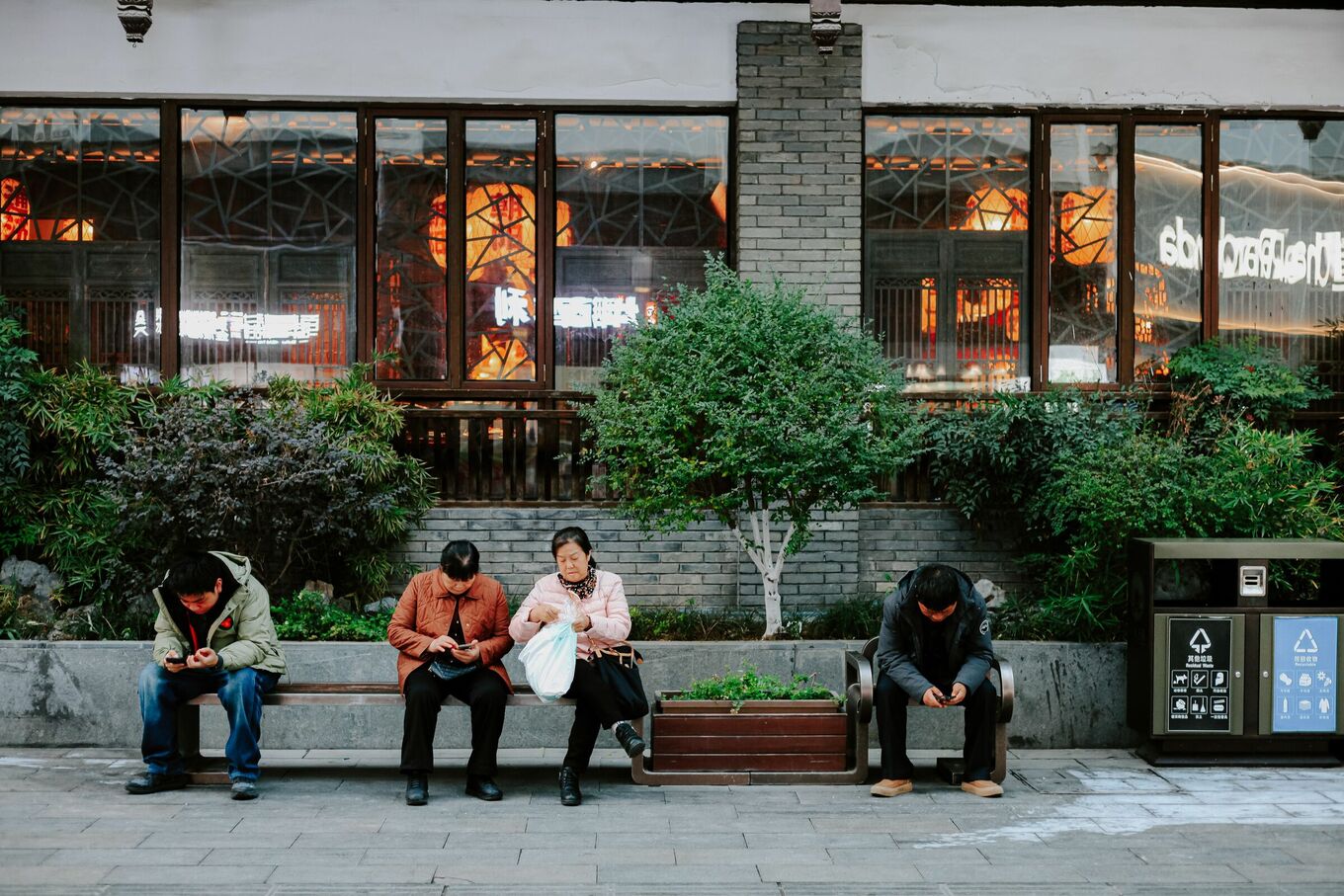
Understanding this definition is the first step in navigating the social and logistical aspects of this lifestyle. It clarifies that you are not opting out of life, but rather opting into a different set of priorities. This clarity allows for more honest conversations with family, friends, and potential partners who may not yet understand your path.
Financial planning for the childfree life
Skipping parenthood reshapes your budget in ways that extend far beyond simple savings. Without the looming cost of private schooling, extracurriculars, or college tuition, your disposable income becomes a strategic asset rather than a constrained resource. This shift allows for aggressive wealth accumulation and a lifestyle defined by flexibility rather than compromise.
The most significant difference lies in long-term security. Traditional households often balance current spending against future educational needs, while childfree couples can direct nearly all surplus capital toward retirement, real estate, or travel. This freedom doesn't mean reckless spending; it means intentional allocation. You can prioritize experiences, such as international travel or creative pursuits, while simultaneously building a robust safety net that ensures independence in later years.
| Financial Priority | Traditional Household | Childfree Household |
|---|---|---|
| Retirement Savings | Moderate to High | Very High |
| Education Fund | Primary Focus (529 Plans) | None |
| Discretionary Spending | Limited by childcare costs | High (Travel, Hobbies) |
| Housing Strategy | Needs space for family | Optimized for location/experience |
| Emergency Fund | 3-6 months | 6-12+ months |
This strategic advantage requires discipline. Without the automatic "forced savings" of a child's future needs, you must actively manage your investment portfolio. Many childfree individuals choose higher-risk, higher-reward investment vehicles or allocate funds toward passion projects that might otherwise be unaffordable. The goal is not just to save, but to design a life where money serves your freedom, not the other way around.
Where to Go When You Own Your Schedule
The childfree lifestyle removes the rigid structure of school calendars and nap times, turning travel into a fluid activity rather than a logistical hurdle. This freedom allows for spontaneous departures and flexible itineraries that cater specifically to adult pacing. You can chase the best light for photography, linger over a slow breakfast, or change plans on a whim without coordinating with a large group of dependents.
Lisbon, Portugal: The Spontaneous City
Lisbon offers a perfect blend of safety, walkability, and vibrant nightlife that appeals to solo travelers and childfree couples alike. The city’s compact historic districts, like Alfama and Bairro Alto, are navigable on foot, allowing you to wander without a strict schedule. Public transport is efficient, and the culture of ginjinha (cherry liqueur) in small bars encourages social interaction with locals and other travelers.
The weather is mild year-round, making it an ideal destination for last-minute trips. You can book a flight on Tuesday for a Thursday departure and still enjoy the full experience. The city’s hilliness adds an element of physical activity to your days, keeping your routine active and engaging.
Reykjavik, Iceland: Solitude and Nature
For those who prefer nature over nightlife, Reykjavik serves as a gateway to some of the most dramatic landscapes in the world. The childfree traveler can easily rent a car and explore the Ring Road at their own pace. There are no crowds of families competing for photo spots at major attractions like the Golden Circle or the Blue Lagoon during off-peak hours.
The short summer days allow for nearly 24 hours of daylight, maximizing your time for hiking and exploration. Winter offers the Northern Lights, providing a romantic or solitary experience that is deeply personal. The infrastructure is modern and safe, reducing the anxiety often associated with remote travel.
Tokyo, Japan: Structured Freedom
Tokyo might seem overwhelming, but its efficiency and safety make it a top choice for childfree travelers seeking order and excitement. The public transportation system is precise, allowing you to move between districts quickly and without stress. You can enjoy high-end dining experiences without the noise of children, or explore the quiet, meditative gardens in Shinjuku Gyoen.
The city’s neighborhood-specific cultures mean you can tailor your experience to your mood. Spend the morning in the artsy vibe of Koenji, the afternoon in the sleek shopping of Ginza, and the evening in the lively bars of Shibuya. The lack of family-oriented constraints allows for a more immersive, adult-centric cultural experience.
Bali, Indonesia: Wellness and Community
Bali has long been a haven for digital nomads and solo travelers seeking balance. The island offers a wide range of accommodations, from private villas in Ubud to beachfront bungalows in Canggu. The focus on wellness, with its abundance of yoga studios and spas, aligns well with the self-care priorities of many childfree individuals.
The community aspect is strong, with numerous meetups and coworking spaces where you can connect with like-minded travelers. This social layer ensures you never feel isolated, even when traveling alone. The low cost of living allows for a higher quality of life, including private chefs and drivers, which enhances the sense of luxury and relaxation.

Modern dating for the childfree
Navigating the dating scene when you’re certain you don’t want children requires a different playbook than the traditional romance script. The primary hurdle isn’t just finding a partner; it’s finding one who shares your definitive stance on family planning. This shared value acts as a non-negotiable filter, saving you from the heartbreak of mismatched life goals down the line.
Dating apps have adapted to this reality. While general platforms like Hinge or Bumble allow you to specify your stance, niche communities often provide a more direct route. Many childfree individuals prefer starting conversations in dedicated spaces like Reddit’s r/childfree or r/Fencesitter, where the intent is clear from the first message. This transparency reduces the awkwardness of the "do you want kids?" question, which can otherwise feel like a interrogation rather than a compatibility check.
Communication strategies should prioritize early clarity. Instead of waiting for a third date to broach the subject, mention your childfree status in your profile or bring it up within the first few exchanges. This isn’t about being blunt; it’s about respecting everyone’s time. As one user noted in a community discussion, finding someone who is truly aligned allows you to focus on building a life together rather than negotiating the fundamental structure of it.
The freedom that comes with this lifestyle also shapes the dating experience. Without the logistical constraints of raising children, couples often enjoy greater spontaneity and flexibility. Whether it’s spontaneous weekend trips or late-night dinners, your schedule belongs to you. This flexibility can be a major draw for potential partners who value independence and shared adventures over traditional family milestones.
Building a childfree community
Choosing not to have children often means navigating social spaces where family-centric activities dominate. Without the automatic social circle that parenting provides, intentional community building becomes essential. This isn't about replacing family structures, but rather curating a support network that respects your autonomy and lifestyle choices.
Start by identifying existing groups that align with your interests rather than your parental status. Book clubs, hiking groups, volunteer organizations, or professional networks offer natural settings to meet like-minded individuals. These shared activities create bonds based on common passions rather than shared responsibilities, allowing for friendships that feel more flexible and less obligation-driven.
-
Join two local clubs or interest groups
-
Schedule monthly one-on-one coffee dates with friends
-
Participate in community volunteer events
-
Attend local cultural or social gatherings regularly
Maintaining these connections requires regular effort. Schedule recurring meetups, whether it's a weekly dinner or a monthly game night. Consistency helps transform acquaintances into a reliable support system. When you face life transitions or challenges, having a chosen family ready to listen and support you can significantly reduce feelings of isolation. Prioritize these relationships with the same dedication you would give to any other vital aspect of your life.
Frequently asked questions about childfree life
Navigating life without children often brings up specific logistical and social questions. Here are direct answers to common queries about the lifestyle, focusing on practical freedom and community.
These distinctions highlight how the childfree path offers unique flexibility. Whether you are planning a trip or adjusting your daily routine, the absence of parental duties allows for immediate responsiveness to life’s changes.
No comments yet. Be the first to share your thoughts!