Why traditional planning falls short
Most financial advice assumes a family unit with a built-in safety net. Standard estate planning and long-term care strategies are designed around the expectation that children will eventually inherit assets or provide care for aging parents. For childfree individuals, this default model creates a significant gap. The financial goals for parents and childfree people diverge sharply when it comes to legacy and dependency.
The absence of children means there is no natural heir to manage affairs or no familial caregiver to step in during health crises. Consequently, childfree financial planning requires a proactive approach to elder care and asset distribution. You cannot rely on the traditional assumption that family will handle your end-of-life logistics or care needs.
Instead, the focus shifts to self-reliance. This involves securing robust long-term care insurance, establishing clear legal directives, and potentially creating a trust to manage your estate. The strategy moves from "leaving a legacy for kids" to "ensuring your own comfort and autonomy in later years."
Essential planning software and apps
Childfree financial planning requires tools that look beyond the standard family-centric templates. Most default budgeting apps assume a trajectory of increasing expenses tied to child-rearing, education, or larger housing needs. Without those anchors, your software needs to pivot toward legacy building, flexible retirement horizons, and estate planning efficiency. The right digital tools help you model scenarios where your primary beneficiaries are partners, charities, or extended family, rather than dependents.
Wealth-preserving and estate planning platforms
For childfree individuals, the estate planning phase often involves more complex beneficiary designations and charitable giving structures. Specialized software can help you organize digital assets, power of attorney documents, and living wills in a way that is easily accessible to your chosen agents. These platforms often integrate with legal document generators, ensuring your wishes are legally sound without the need for immediate attorney intervention for every minor update.
Flexible budgeting and investment tracking
Standard budgeting apps can be limiting when you do not have variable costs for childcare or school supplies. Look for platforms that allow for custom categories and long-term goal tracking. Investment-focused apps that offer "goal-based" investing are particularly useful, allowing you to set distinct targets for early retirement, travel, or philanthropy. These tools provide the visibility needed to adjust your savings rate dynamically as your income grows without the pressure of supporting a growing household.
Legacy and digital asset management
A significant gap in traditional financial planning is the management of digital legacy. Who inherits your cryptocurrency, social media accounts, or digital photo archives? Dedicated digital estate planning tools allow you to create a "dead man's switch" or a secure vault for your digital credentials, ensuring that your online presence is handled according to your specific instructions after you are gone.
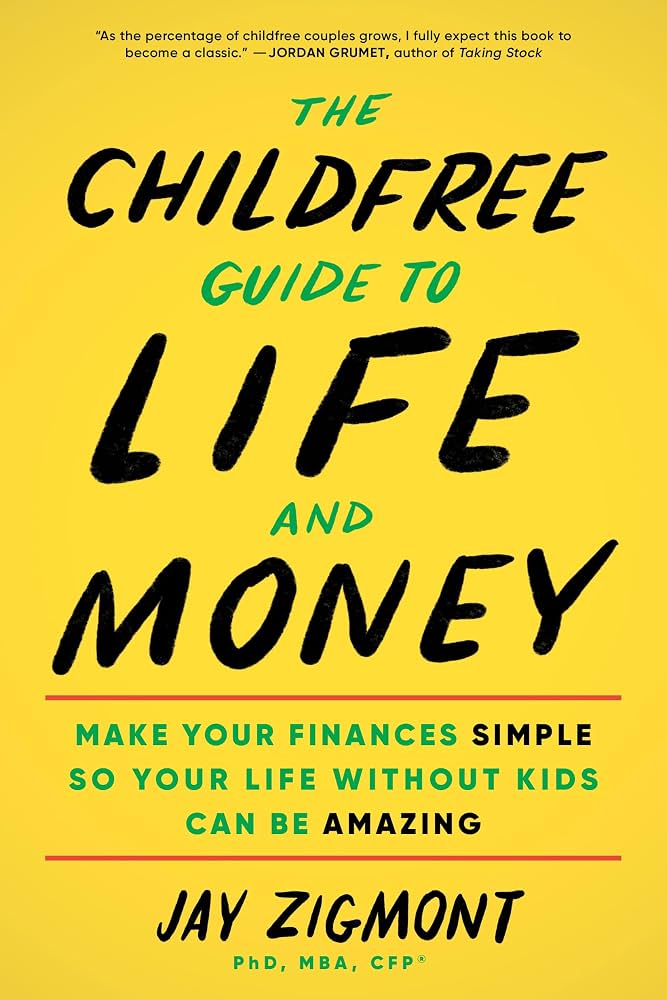
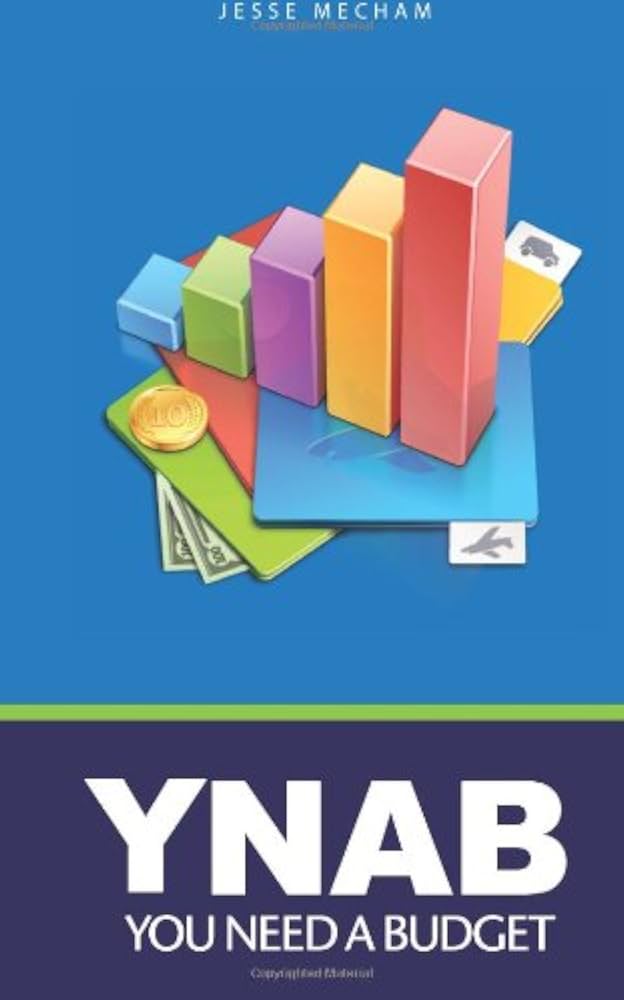
Recommended tools for childfree financial planning
The following products and services are frequently recommended for their flexibility and focus on long-term wealth preservation rather than family-centric budgeting.

As an Amazon Associate, we may earn from qualifying purchases.
Compare investment and estate tools for childfree wealth
Building wealth without children requires a different set of financial vehicles than traditional family planning. Without heirs to inherit assets automatically, you must choose tools that actively manage estate distribution, minimize tax burdens, and support legacy goals like philanthropy or long-term care. The right combination of accounts and legal structures ensures your assets serve your intentions rather than becoming entangled in probate or default state laws.
The following comparison highlights three common financial planning tools used in childfree legacy building. Each serves a distinct purpose in protecting and transferring wealth.
| Tool | Primary Use | Tax Advantage | Control Level |
|---|---|---|---|
| Revocable Living Trust | Avoids probate; specifies exact beneficiaries | None during life; estate tax planning possible | High (you retain full control while alive) |
| Beneficiary Designations | Direct transfer of IRAs, 401(k)s, and life insurance | Tax-deferred growth; avoids probate | Medium (beneficiary can change, but account rules apply) |
| Charitable Remainder Trust | Generates income while donating remainder to charity | Income tax deduction; avoids capital gains on donated assets | Low (irrevocable; assets leave your estate) |
Choosing the right mix depends on your specific legacy goals. If your priority is keeping assets within a chosen circle of friends or charities while avoiding court involvement, a revocable living trust combined with updated beneficiary designations is often the most effective foundation. For those prioritizing tax efficiency and charitable impact, irrevocable structures like charitable remainder trusts offer significant advantages, though they require surrendering direct control over the principal.
Building a childfree support network
Financial planning for childfree individuals differs from those with children, yet most advisors default to family-centric models. This mismatch creates a gap in specialized advice that peer networks can help fill. Finding a community that understands the specific wealth-building strategies of childfree financial planning provides both emotional support and practical insights.
Online forums often highlight the frustration of generic advice. A recent discussion on Reddit noted the "huge discrepancy between financial goals for parents and financial goals for childfree people," pointing out that standard retirement models often fail to account for the unique liquidity and investment needs of those without dependents.
Engaging with these communities allows you to share strategies that work for your specific lifestyle. Whether it’s discussing travel-heavy retirement plans or estate planning without heirs, connecting with others on the same path helps refine your approach to long-term wealth.
Checklist for childfree financial readiness
Childfree financial planning requires a distinct audit of traditional family-centric strategies. Without heirs to inherit assets or dependents to rely on standard insurance models, your estate and investment structures must be explicitly designed for your own longevity and legacy. Use this ordered checklist to verify that your financial foundation supports a life without children.

Map out who receives your assets. Options include friends, charities, or extended family. Ensure your will and trust documents reflect these specific choices rather than defaulting to statutory next-of-kin rules.
Life insurance may be less critical if you have no dependents, but disability and long-term care insurance are essential. These policies protect your assets from being depleted by medical emergencies or inability to work later in life.
Childfree individuals often face longer retirement horizons. Adjust your asset allocation to withstand decades of market volatility. Prioritize growth-oriented assets early on, shifting to capital preservation only when necessary for income stability.

Create a durable power of attorney for healthcare and a living will. These documents ensure your medical wishes are followed if you become incapacitated, preventing legal battles among relatives who may not share your views.

Maximize tax-advantaged accounts like IRAs and 401(k)s. Consider Roth conversions if you expect higher tax brackets in retirement. Proper tax planning preserves more capital for your lifestyle or charitable goals.
Completing these steps ensures your wealth serves your specific life choices. Regularly revisit this checklist as your circumstances and laws evolve to maintain financial security.


As an Amazon Associate, we may earn from qualifying purchases.
No comments yet. Be the first to share your thoughts!